



Victorian Style Headboard
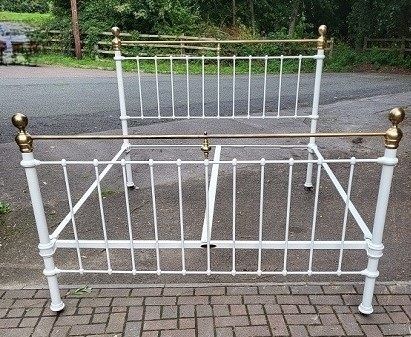
These pieces sold as a victorian style headboard are predominantly nineteenth and early twentieth century metal and wooden bedsteads.
Victorian Style Headboard
When searching for a victorian style headboard, buyers encounter a selection of nineteenth and early twentieth century beds and bedframes rather than standalone panels. The listings span periods from the Victorian era up to 1910, showing the longevity of these designs.
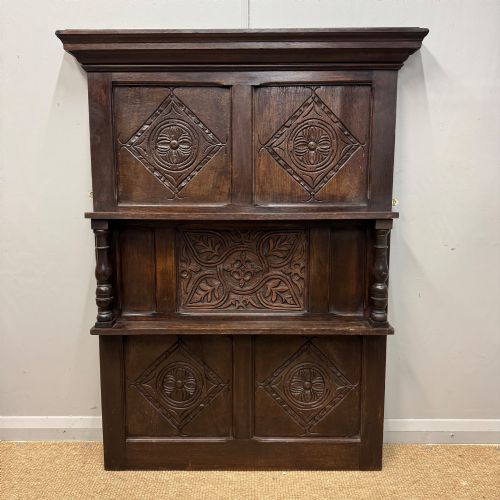
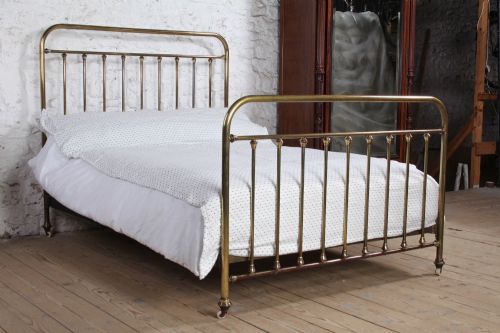
Brass and iron combinations dominate the metalwork, alongside painted iron and French styles. Wooden options include mahogany, burr walnut, satinwood and oak, taking forms from simple single beds to four poster beds and overmantels.
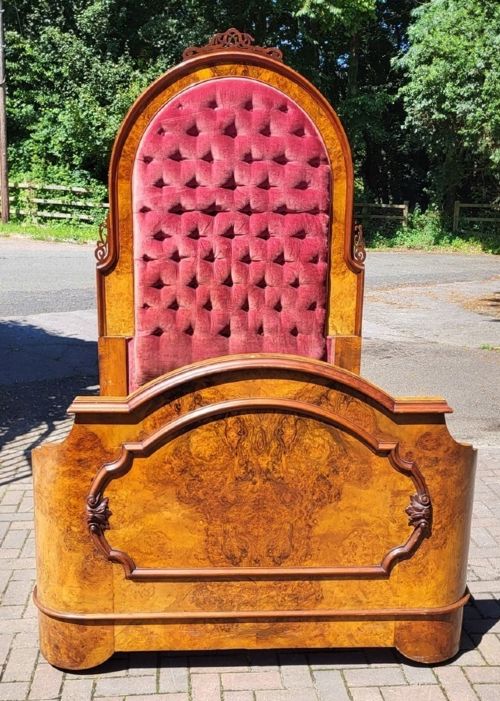
The selection encompasses English, French, American and Anglo-Indian colonial influences. Pieces range from straightforward hospital styles to high button back upholstered bedsteads and gothic revival designs.
How They Were Made
Makers utilised cast iron and wrought iron for sturdy internal structures, often combining them with bright brass components and detailed metal fittings. Painted finishes and black iron treatments provided varied visual textures.
Cabinetmakers worked with solid hardwoods and decorative veneers such as mahogany, burr walnut, oak and satinwood for wooden bedframes and overmantels. Upholstery techniques included high button back designs on padded foundations.
Victorian Style Headboard Retail Price Guide 2026
Typical asking prices for victorian style headboard among the pieces listed under this phrase on Sellingantiques today, from the lower quarter to the upper quarter. They describe what is for sale here now, not the wider market.
Listings feature periods spanning from 1880 to 1910, encompassing Victorian, Late Victorian, and Edwardian eras alongside French and American stylistic influences.
What Varies in Quality
The sophistication of the metal casting and the crispness of brass detailing separate simpler production pieces from finer examples. Quality shows in the weight and rigidity of the ironwork and the polish retained on the brass.
Timber selection dictates the distinction in wooden pieces, where figured veneers like burr walnut or dense timbers such as mahogany exhibit superior grain movement and cabinetwork joinery. Upholstered panels demonstrate finer execution through the precision of buttoning and edge finishing.
Maple and Co·Harrods
The Victorian Style Headboard Glossary
- Overmantel
- A decorative panel or mirror frame designed to sit directly above a fireplace mantelpiece. These often match the surrounding architectural woodwork of the period.
- Four Poster Bed
- A bed with four vertical columns supporting a tester or canopy frame overhead. Anglo-Indian and colonial examples often display carved timber posts.
- Burr Walnut
- Timber taken from the wart-like growth on a walnut tree, yielding highly decorative swirling grain patterns. It was sliced into thin veneers for high-end nineteenth century furniture.
- Gothic Revival
- An architectural and decorative style drawing inspiration from medieval design. This aesthetic appears in pointed arches, heavy timber construction and ecclesiastical ironwork.
- Faux Bamboo
- Wood turned and painted to mimic the jointed appearance of natural bamboo. This technique gained popularity during the late nineteenth century under aesthetic movement influences.
Victorian Style Headboard: Frequently Asked Questions
Are these complete beds or just headboards?
The listings under this search comprise full bedframes, bedsteads and overmantel panels rather than standalone headboards. Buyers receive complete structures designed to support mattresses.
Many of these historical frames require specific modern or adapted bases to function safely with contemporary mattresses. Checking the inclusion of bed bases in individual descriptions is essential.
How do I identify a Victorian iron bed?
Victorian iron beds typically combine heavy cast iron frames with brass mounting details, spindles and finials. The construction relies on sturdy bolted joints rather than modern welded assembly.
Finishes range from plain black iron to painted surfaces and polished brass. Over time, original brass components develop a natural patina distinct from modern reproductions.
What is French style in these beds?
French style pieces from this era often feature curved wooden or metal head and footboards with gentle scrollwork. These designs prioritise softer decorative lines over rigid rectangular geometry.
Such beds frequently appear in brass, painted iron or polished walnut. They reflect continental design preferences popular in British bedrooms during the late nineteenth and early twentieth centuries.
How do I care for antique metal beds?
Maintaining antique brass and iron involves gentle cleaning with dry or slightly damp cloths to remove dust. Abrasive polishes should be avoided to preserve original lacquered or aged surfaces.
Checking and tightening structural bolts periodically ensures the stability of the frame. Iron components benefit from dry environment placement to prevent oxidation.