




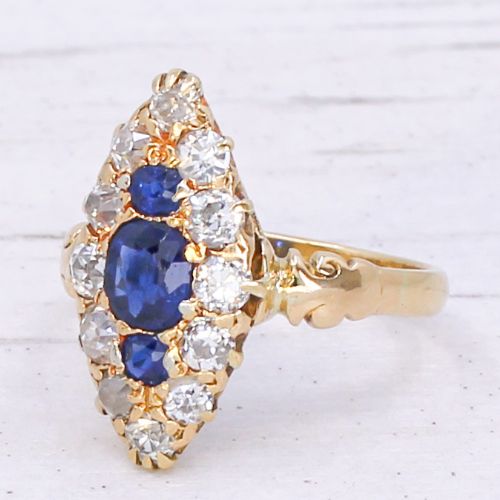

Victorian Style Gold Ring
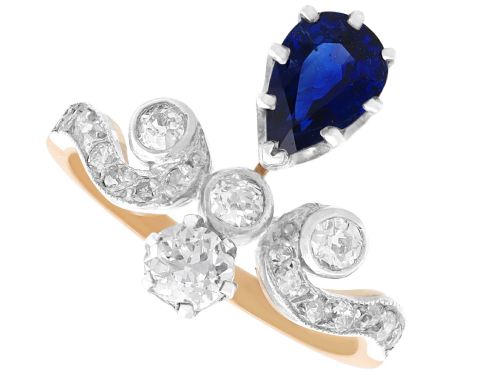
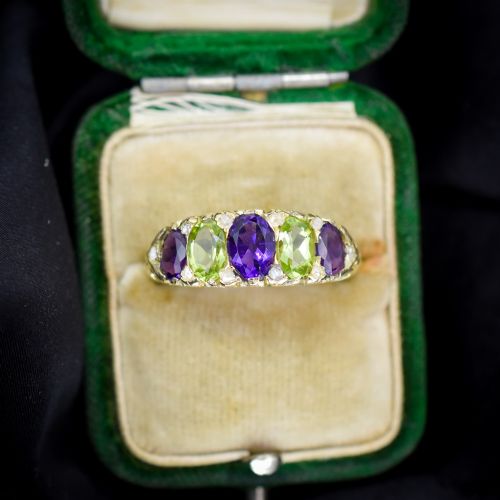
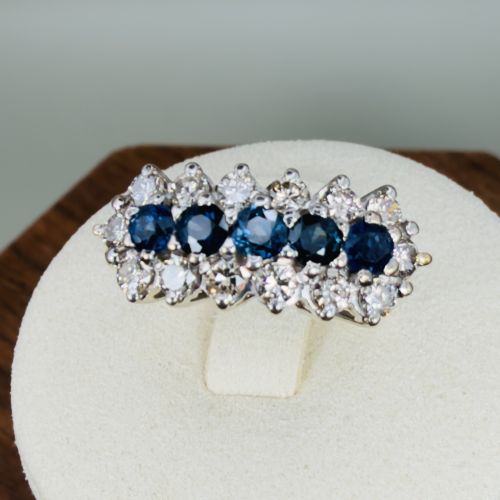
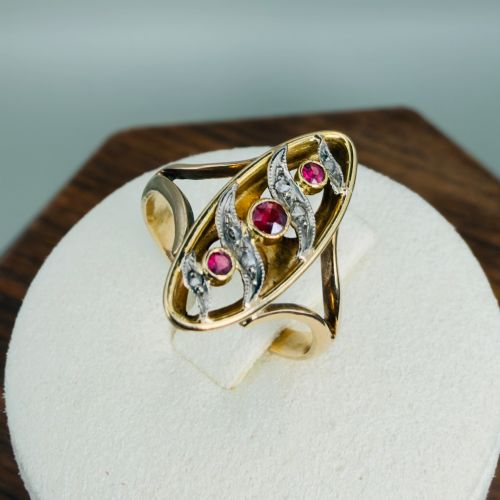
A victorian style gold ring brings together rich yellow metals and brilliant gemstones, offering a timeless piece of jewellery for daily wear.
Victorian Style Gold Ring
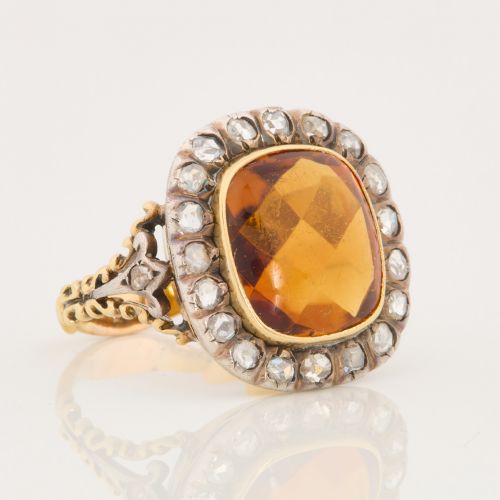
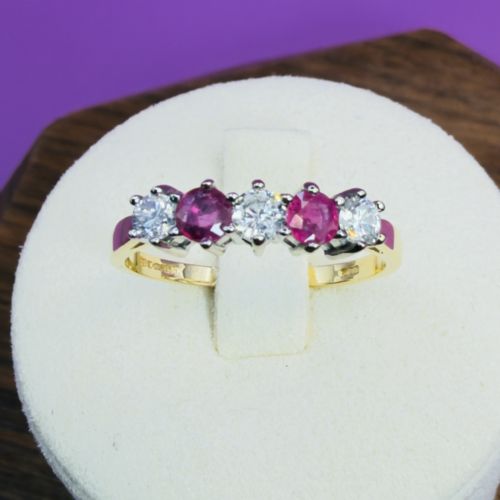
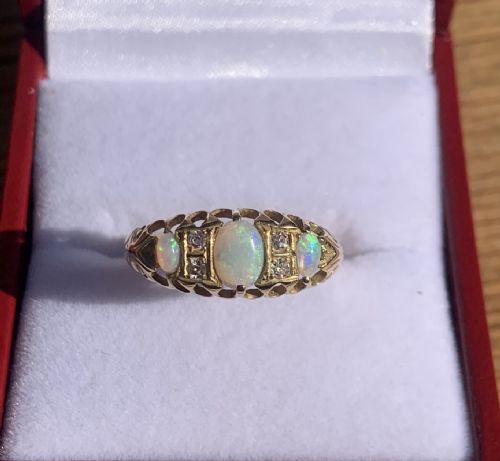
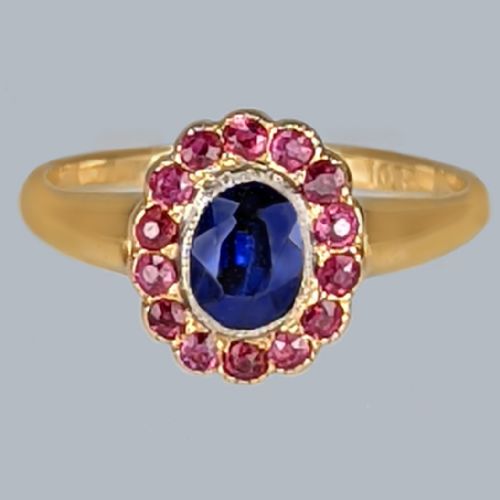
A victorian style gold ring encompasses various historic designs, including cluster rings, boat shapes, and multi-stone arrangements set in yellow or rose gold bands. Buyers searching for a victorian style gold ring encounter pieces originating from the nineteenth century alongside later revivals from the Edwardian period and mid-century decades.
Materials and construction
The rings utilise varying purities of gold, predominantly nine carat, fifteen carat, and eighteen carat yellow gold, occasionally complemented by silver settings for diamonds. Stones such as natural opals, sapphires, rubies, and old-cut diamonds are secured in traditional settings designed to showcase their natural colour and facets.
Construction techniques include hand-fashioned bands and detailed mountings characteristic of nineteenth and early twentieth-century workshops. Certain pieces incorporate specialised forms like cast elements or applied granulation seen in Etruscan revival styles.
Victorian Style Gold Ring Retail Price Guide 2026
Typical asking prices for victorian style gold ring among the pieces listed under this phrase on Sellingantiques today, from the lower quarter to the upper quarter. They describe what is for sale here now, not the wider market.
Among the jewellery boxes listed sits a cast brass French casket, proving that even small treasures need a proper historic home.
Assessing craftsmanship and condition
Quality rests in the precision of the stone setting and the integrity of the gold band over decades of wear. Finer examples display well-matched natural gemstones with secure claw or bezel settings that maintain their original alignment.
The distinction between standard commercial output and superior craftsmanship lies in the depth of detail in chased or engraved shoulders and the quality of the cut within the diamond or coloured stone components.
The Victorian Style Gold Ring Glossary
- Navette
- A boat-shaped gemstone setting that tapers to points at either end. This elongated style sits prominently across the finger.
- Cluster ring
- A design featuring a central gemstone encircled by a tight border of smaller stones, typically diamonds. This arrangement maximises surface brilliance and colour contrast.
- Old cut diamond
- A hand-faceted diamond cut before the standardisation of modern brilliant facets. These stones exhibit smaller tables and higher crowns.
- Trilogy ring
- A three-stone ring symbolising past, present, and future. The stones are usually matched in size or graduate outward from the centre.
- Belcher ring
- A heavy gold band where the gemstone is held securely within flush, star-etched prongs. This robust setting became popular during the nineteenth century.
Victorian Style Gold Ring: Frequently Asked Questions
How do I identify a true period ring?
Examine the hallmarks and the construction style of the band and setting under magnification. British assay marks often provide specific town and year letters that confirm the exact era of production.
Stylistic cues such as closed-back settings or hand-cut stones further distinguish nineteenth-century examples from later twentieth-century revivals.
Can I wear these rings every day?
Most gold rings with diamond or sapphire stones withstand regular daily wear if handled with reasonable care. Softer gems like opal or turquoise require extra attention to avoid impact and moisture.
Checking the security of the claws periodically ensures the stones remain firmly anchored in the antique metal.
What is an Etruscan revival ring?
This style draws inspiration from ancient archaeological discoveries made during the Victorian era. Artisans utilised fine gold wirework and granulation to replicate classical Mediterranean aesthetics.
Such pieces stand out through their distinct matte gold finishes and geometric decorative motifs.
Why do some listings mention yellow and rose gold?
Gold alloy mixtures determine the final hue of the metal used in the ring band. Traditional nineteenth-century workshops often utilised high-karat yellow gold alongside copper-alloyed rose gold variants.
These natural metal tones develop a soft patina over generations of handling.