







Victorian Style Captains Chair
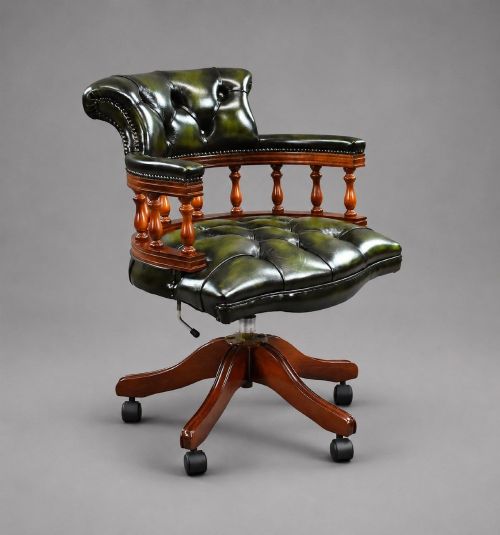
These Victorian style captains chair pieces are sturdy wooden and leather seats built for long hours at the desk.
Victorian Style Captains Chair
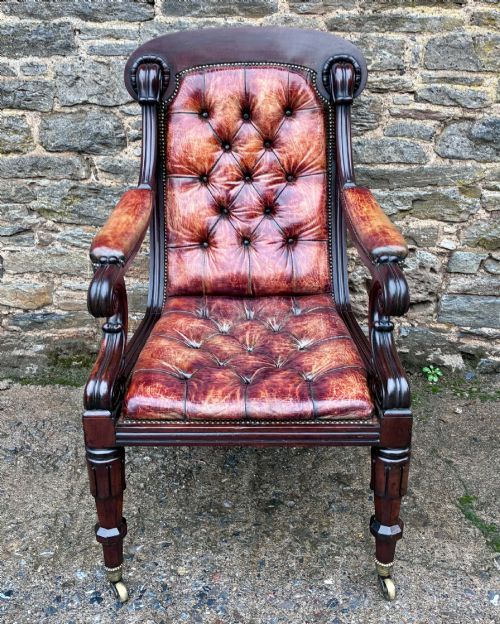
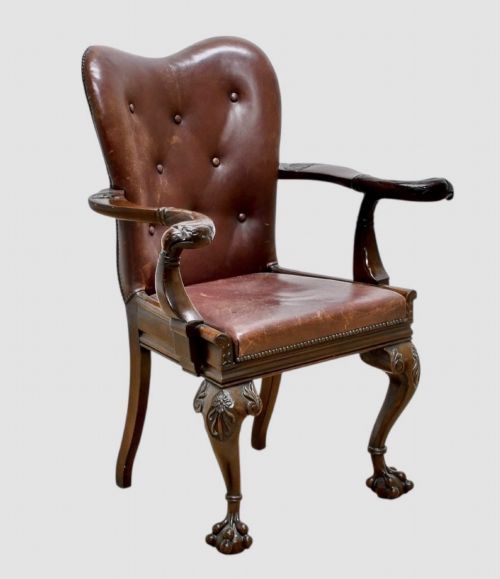
A victorian style captains chair encompasses traditional English seating designed for studies, libraries, and offices during the nineteenth century and subsequent revival periods. Buyers searching for a victorian style captains chair will encounter sturdy desk chairs, carver chairs, and library armchairs spanning various eras from the nineteenth century through to the mid twentieth century.
Materials and construction
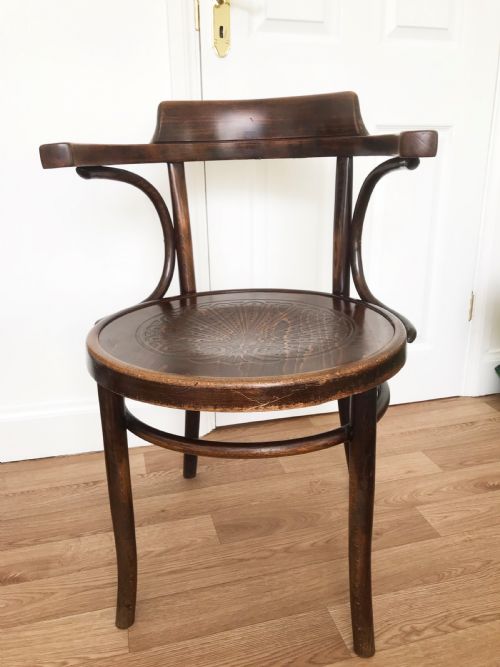
Construction relies heavily on traditional timber framing using durable hardwoods like mahogany, oak, elm, and yew, sometimes accented with brass inlay or bentwood techniques. These timbers are shaped into sturdy spindles, curved backs, and supportive armrests designed to withstand daily use in a study or office.
Upholstered versions integrate supple leather in shades like green and dark red, secured over padding to provide comfort during long periods of work. Mechanics on swivel and tilt variants incorporate metal components hidden beneath the wooden frame to allow movement.
Victorian Style Captains Chair Retail Price Guide 2026
Typical asking prices for victorian style captains chair among the pieces listed under this phrase on Sellingantiques today, from the lower quarter to the upper quarter. They describe what is for sale here now, not the wider market.
Some nineteenth-century models were optimistically dubbed cockfighting chairs, though their low seats were actually designed for stable card games.
Distinctions in quality
Quality rests upon the selection of timber and the depth of carving, where dense grains of mahogany, burr elm, or yew exhibit superior natural patterning and structural integrity. Finer examples display meticulous joinery and carefully turned spindles that remain rigid through decades of movement.
The grade of leather upholstery and the hand-finished details, such as brass studding or subtle inlay work, separate standard utilitarian seating from refined library and office armchairs. Original swivel and tilt mechanisms that operate smoothly without excessive play also indicate superior period manufacturing.
Edward William Godwin
The Victorian Style Captains Chair Glossary
- Carver chair
- A sturdy armchair, often placed at the head of a dining table or utilised as a desk seat. These pieces feature supportive arms integrated into the wooden frame.
- Smoker's bow
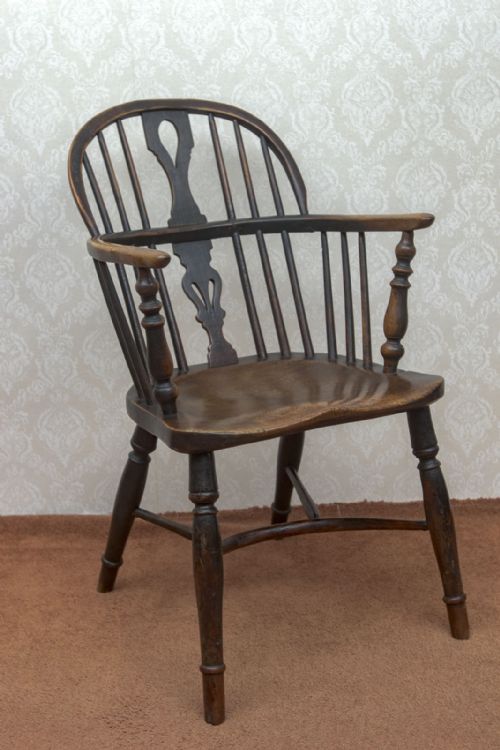
- A low-backed Windsor style armchair featuring a continuous curved rail forming the armrests and back. This vernacular form provides robust support for daily seating.
- Bentwood
- Wood softened by steam and bent into curved shapes, commonly utilised in nineteenth-century bistro and desk chairs. This technique allows for lightweight yet resilient frames.
- Windsor chair
- A traditional wooden seat construction where individual spindles and legs are fitted directly into a solid sculpted seat. These chairs showcase regional English vernacular craftsmanship.
- Swivel chair
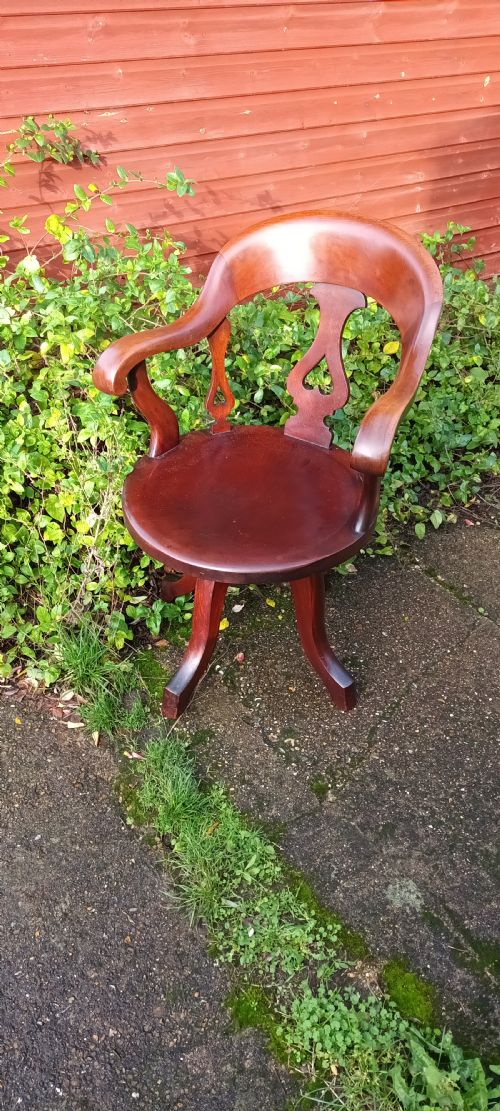
- A seat mounted on a central revolving pivot that allows the user to turn freely. Victorian and later examples often integrate tilt mechanisms for adjustable office seating.
Victorian Style Captains Chair: Frequently Asked Questions
What is a captain's chair?
A captain's chair is a sturdy wooden armchair, traditionally featuring a low curved back and arms designed for comfort at a desk or table.
These versatile seats transitioned from ships and offices into domestic studies and libraries during the nineteenth century.
How do I use one at a modern desk?
These chairs fit well beneath standard writing desks, offering supportive armrests and sturdy timber frames for daily work.
Non-swivel wooden models work nicely as accent chairs, while swivel and tilt versions provide functional seating for office use.
Are these chairs comfortable for working?
Many examples feature ergonomic curved backs and padded leather upholstery designed for sitting over extended periods.
Solid wood seats without cushions offer firm support, while leather-upholstered variants provide softer seating suited to a study.
How do I date a nineteenth-century chair?
Dating relies on examining the timber species, joinery techniques, and the presence of mechanical swivel or tilt hardware.
Styles range from early William IV heavy mahogany frames to later Victorian revolving designs and twentieth-century revivals.