





Victorian Storm Glass
These Victorian storm glass instruments are practical weather forecasters housed in robust oak cases that bring period science into the home.
Victorian Storm Glass
When you search for a Victorian storm glass, you encounter barometers housed in carved oak cases alongside related functional vessels from the nineteenth century. These instruments combine scientific utility with decorative cabinet work suited to period interiors.
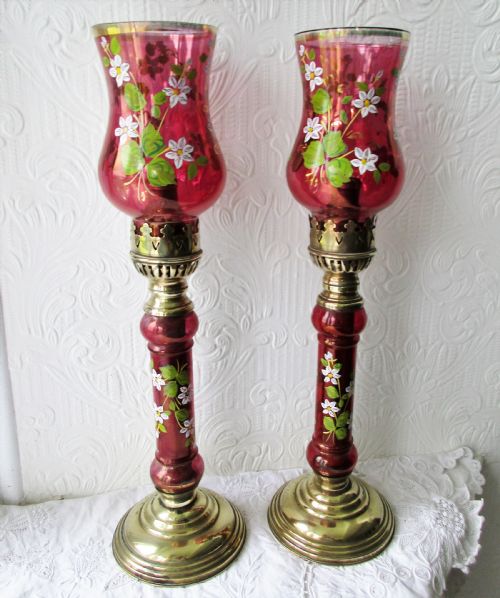
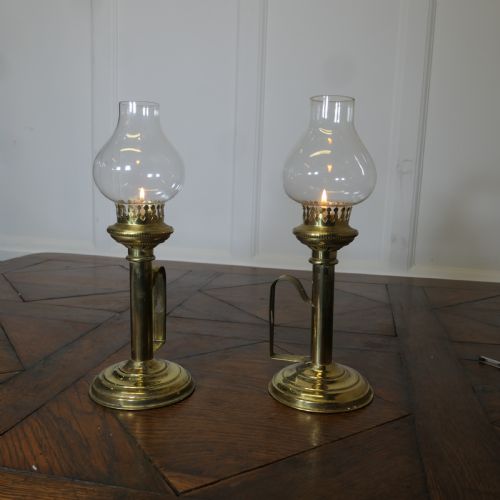
The Admiral Fitzroy barometer design dominates the selection, frequently appearing in substantial carved oak housings that display weather-predicting chemicals behind clear glass tubes. Other related items include brass candle lamps and glass lustres fitted with protective shades.
Originating in the nineteenth century, these pieces reflect the era's fascination with domestic meteorology and domestic comfort. The typical surviving example bridges the gap between scientific apparatus and substantial furniture.
Materials and construction
Makers utilised clear glass for the barometer tubes and blown vessels, pairing them with heavy brass for mountings, bezels, and chimneys. The resulting contrast between transparent glass and polished metal defines the visual character of the group.
Oak provides the structural housing for the barometers, often featuring carved details characteristic of Victorian Gothic and revival styles. Paper scales printed with weather predictions sit behind the glass to record the barometer readings.
Blown glass techniques shape the cylinders and shades, showing the slight variations typical of nineteenth-century production. Brass components are turned and fitted to secure the glass elements safely within their frames.
Victorian Storm Glass Retail Price Guide 2026
Typical asking prices for victorian storm glass among the pieces listed under this phrase on Sellingantiques today, from the lower quarter to the upper quarter. They describe what is for sale here now, not the wider market.
Early meteorologists believed storm glass chemicals could predict earthquakes, though today we simply watch the feathers grow.
Distinctions in quality
Quality rests in the crispness of the oak carving and the legibility of the printed paper weather scales. Finer examples retain their original glass tubes and undamaged paper dials without staining or replacement.
The weight and finish of the brass fittings set apart better pieces from simpler production. Substantial cast or turned brass bezels and mounts indicate a higher standard of manufacture than thin stamped sheet metal.
The integrity of the housing determines the overall merit of the barometer. Well-joined oak cases with intact carved crests and original finish command greater interest than heavily restored or altered examples.
J Hicks of London·Negretti and Zambra
The Victorian Storm Glass Glossary
- Admiral Fitzroy barometer
- A weather-predicting instrument developed in the nineteenth century featuring chemical solutions inside a glass tube. These barometers often include printed paper charts detailing expected weather conditions.
- Blown glass
- Glass shaped by inflating molten metal through a blowpipe. This technique produces the cylinders, vases, and shades seen across nineteenth-century lighting and scientific vessels.
- Gothic Revival
- An architectural and decorative style popular during the Victorian period. Pieces in this style incorporate pointed arches, heavy tracery, and carved oak motifs.
- Cranberry glass
- A rich red transparent glass coloured by the addition of gold chloride. It appears in Victorian candle holders and decorative table items.
- Brass lustre
- A candle holder or lamp featuring suspended glass prisms designed to reflect light. These fixtures combine brass bases with cut glass elements.
Victorian Storm Glass: Frequently Asked Questions
What is a Victorian storm glass?
A Victorian storm glass is a sealed glass container holding a chemical mixture intended to indicate impending weather changes by crystal formation.
Most surviving examples take the form of Admiral Fitzroy barometers housed in carved oak cases with printed paper scales.
How do you date these pieces?
Dating relies on the materials, case styles, and maker signatures recorded on the paper scales or brass plates.
Nineteenth-century pieces typically feature heavy oak cabinetry, specific Victorian Gothic ornament, and characteristic blown glass components.
Where were they placed originally?
These barometers and lamps stood in hallways, libraries, or studies where occupants could monitor the weather and adjust household lighting.
The substantial oak cases made them permanent fixtures on walls or heavy tables.
Are the glass components original?
Many pieces retain their original blown glass tubes and shades, though replacement parts occur due to the fragile nature of glass.
Examining the fit between the glass and the brass or wood housing helps determine originality.