

Victorian Stone Jewellery
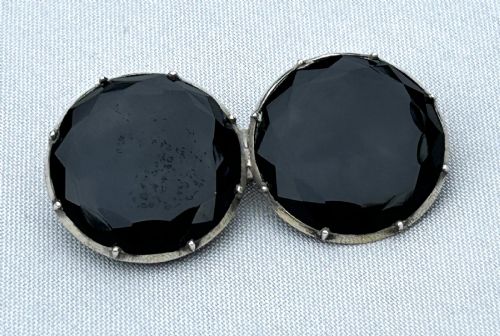
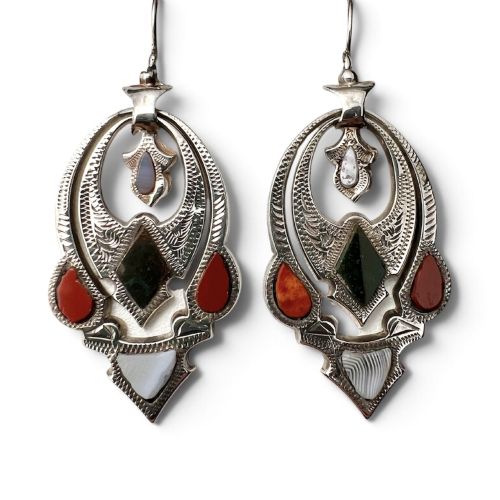
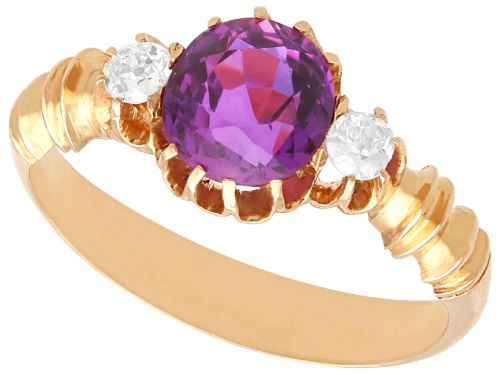
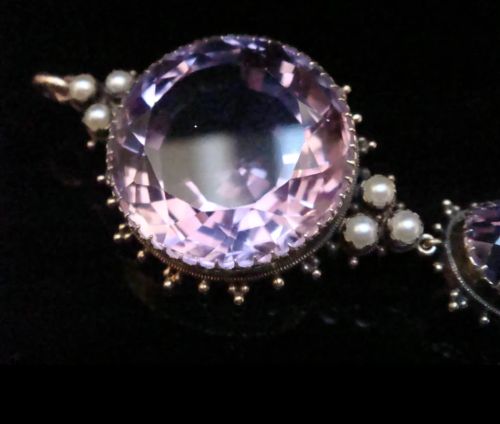
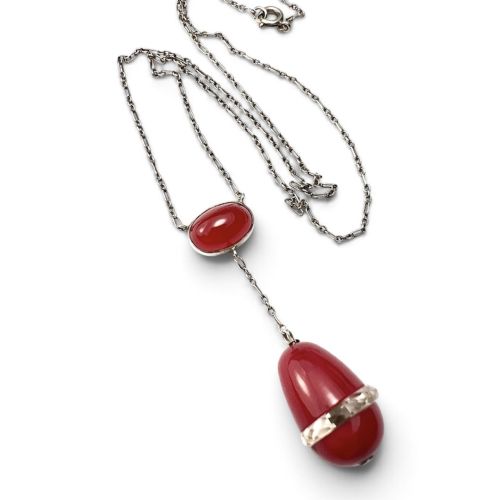
Victorian stone jewellery encompasses rings, earrings, and pendants set with colourful gems and diamonds in yellow gold.
Victorian Stone Jewellery
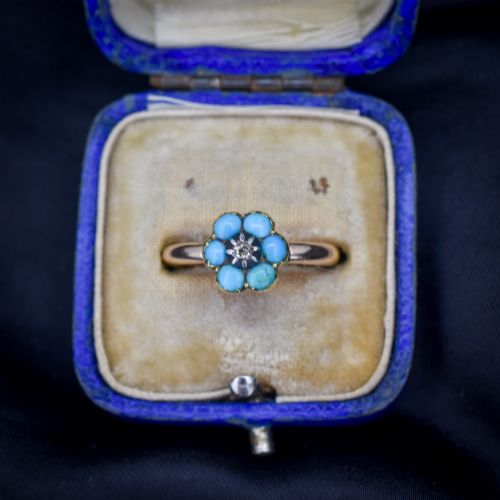
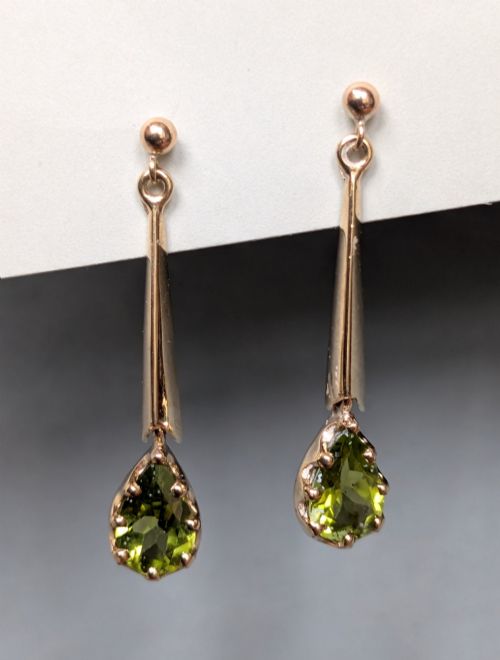
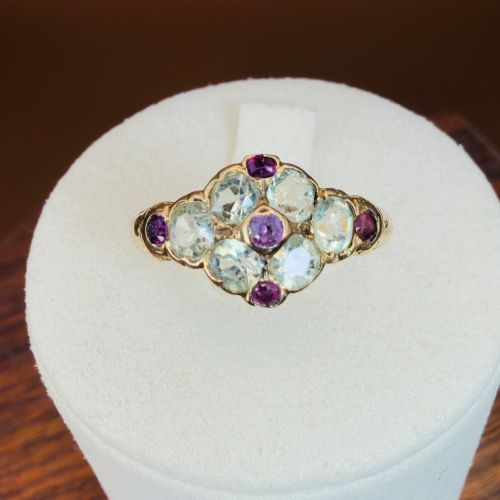
Victorian stone jewellery comprises wearable pieces created during the nineteenth century and subsequent revival periods, spanning rings, drop earrings, and pendants. Buyers searching for this phrase encounter cluster rings, boat rings, and multi-stone bands featuring coloured minerals alongside diamonds.
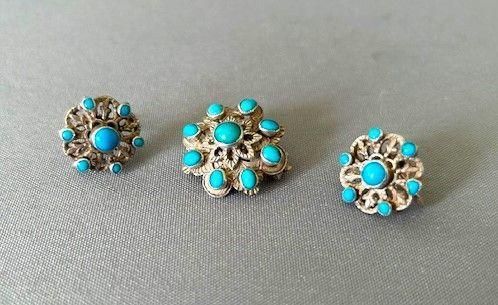
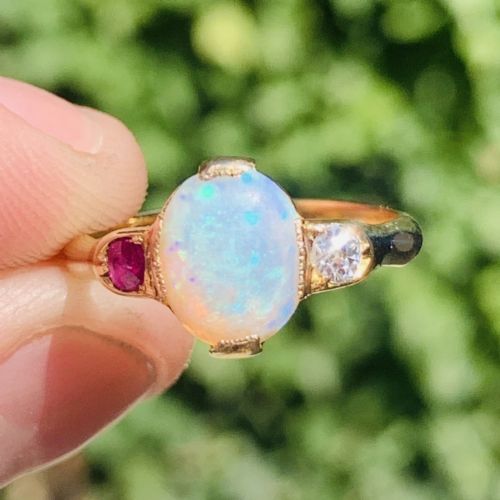
The selection ranges from early mid-nineteenth-century garnet and spinel clusters to later nineteenth-century turquoise, opal, and ruby designs. Alongside authentic Victorian items, related pieces from the Edwardian era and mid-twentieth-century revivals appear across these listings.
Materials and construction methods
Goldsmiths utilised eighteen-carat and nine-carat yellow and rose gold to set stones including rubies, sapphires, amethysts, garnets, and opals. Metalwork incorporates traditional techniques such as gypsy setting, claw setting, and delicate halo arrangements around central gems.
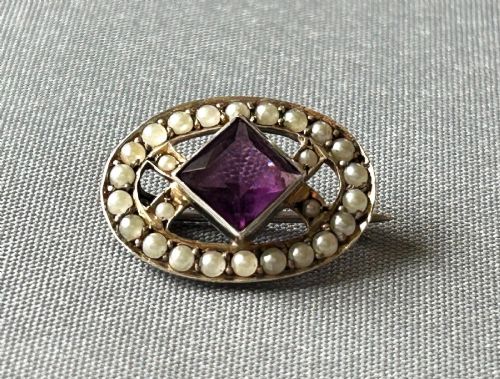
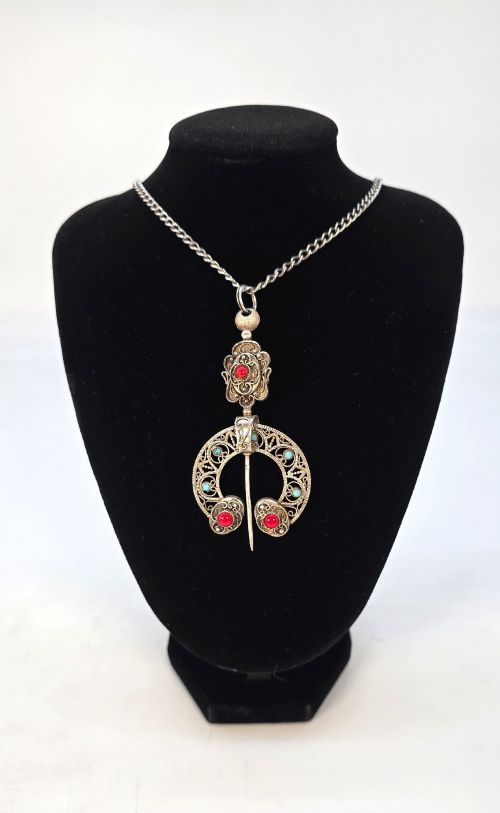
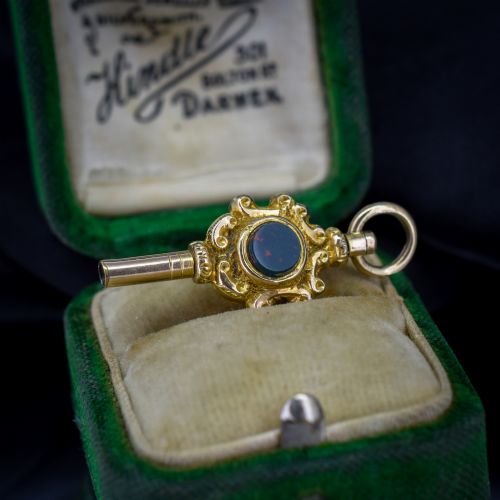
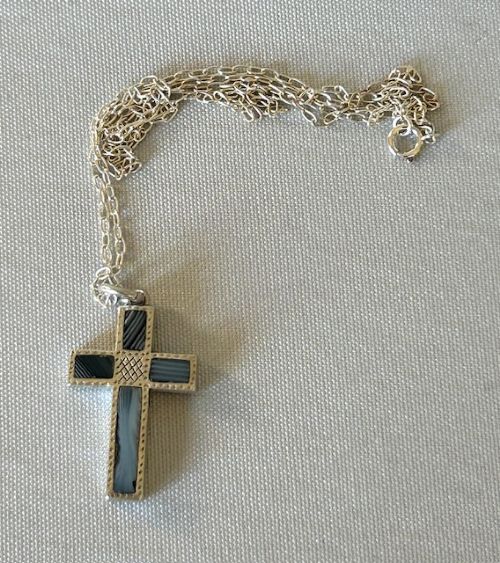
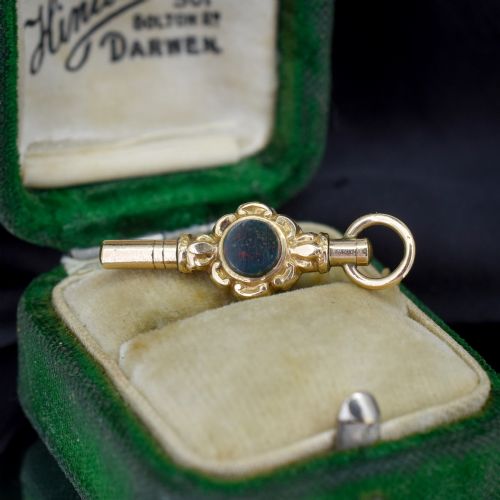
Pendants and watch keys frequently combine gold casing or solid gold with silver elements, incorporating paste stones, seed pearls, and natural turquoise matrix. Hallmarks and assay office stamps occasionally pinpoint specific towns and years of manufacture.
Victorian Stone Jewellery Retail Price Guide 2026
Typical asking prices for victorian stone jewellery among the pieces listed under this phrase on Sellingantiques today, from the lower quarter to the upper quarter. They describe what is for sale here now, not the wider market.
Listings feature yellow gold, rose gold, and silver paired with rubies, sapphires, amethysts, opals, turquoise, and diamonds across nineteenth and twentieth-century items.
Distinctions in quality
Quality depends upon the calibre of the central gemstone selection, ranging from richly coloured natural rubies and sapphires to simpler glass pastes and synthetic stones. The precision of the setting work and the weight of the gold mount further distinguish finer examples from standard production.
Intact original configurations, legible hallmarks, and well-preserved claw or gypsy settings elevate individual pieces. Items retaining balanced proportions in multi-stone clusters and trilogy layouts represent the upper tier of this category.
The Victorian Stone Jewellery Glossary
- Boat ring
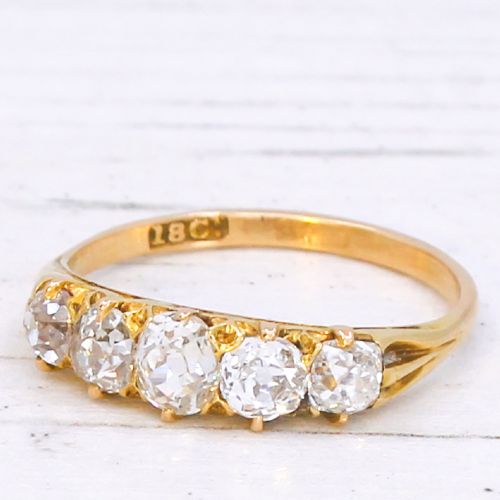
- A ring featuring a curved, boat-shaped setting that tapers towards the shoulders, popular during the nineteenth century. This shape typically accommodates a row of graduated stones.
- Gypsy ring
- A ring style where gemstones are flush-set directly into the thick gold band. The metal is hammered or pushed up around the stone to secure it.
- Trilogy ring
- A ring set with three stones arranged in a horizontal row. These pieces often combine diamonds with rubies, sapphires, or emeralds.
- Watch key
- A small decorative key used to wind pocket watches, frequently worn as a pendant or charm. They often incorporate hardstones like agate or bloodstone.
Victorian Stone Jewellery: Frequently Asked Questions
How do I identify a genuine Victorian ring?
Examine the construction methods, shank shape, and stone cuts, as nineteenth-century pieces often feature hand-cut gems like old mine cuts alongside solid gold bands. Hallmarks, where present, provide specific town marks and date letters corresponding to British assay office records.
Compare the piece against known styles from the period, such as boat settings or gypsy mounts. Consulting detailed descriptions helps confirm whether an item dates to the Victorian era or represents a later revival.
What stones are common in this jewellery?
Garnets, amethysts, rubies, sapphires, opals, and turquoise appear frequently alongside diamonds and seed pearls. Makers also utilised alternative materials like bloodstone, agate, and coloured glass paste.
These minerals reflect the Victorian preference for colourful multi-gem clusters and symbolic stone combinations. Each material influences the overall visual character and dating of the piece.
How should I care for antique gold jewellery?
Clean pieces gently with a soft cloth, avoiding harsh chemical dips or ultrasonic cleaners that can damage softer stones like opals and pearls. Store items separately in lined boxes to prevent metal friction and stone abrasion.
Regularly check claw and flush settings for stability, particularly on rings worn daily. Professional inspection by a jeweller ensures mountings remain secure over time.
Can I wear these rings every day?
Sturdier designs featuring rubies, sapphires, and diamonds set in solid gold endure daily wear well when checked for structural integrity. Softer stones like opals, pearls, and turquoise require greater care to avoid knocks and moisture exposure.
Assessing the thickness of the gold band and the security of the stone settings guides how often a piece should be worn. Rotating delicate antique rings preserves their condition for years to come.