

Victorian Stand
A victorian stand brings utility and decorative grace to a room, offering a place to hold books, music, or garments with period craftsmanship.
Victorian Stand
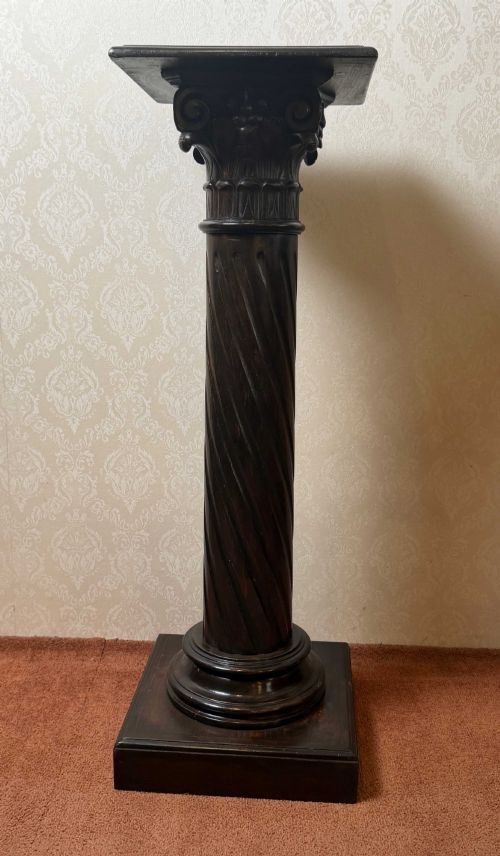
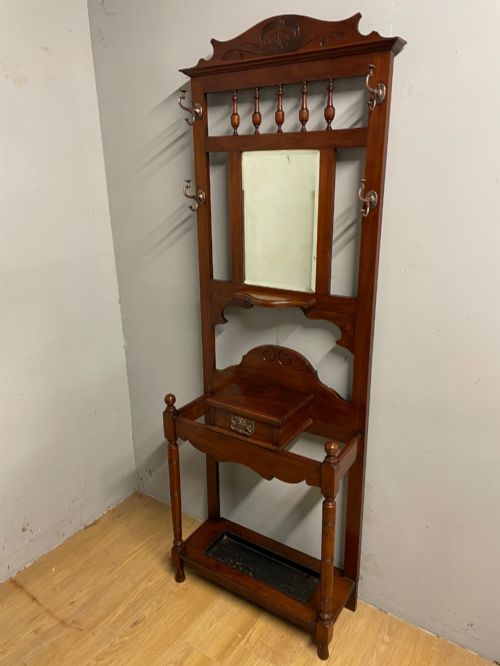
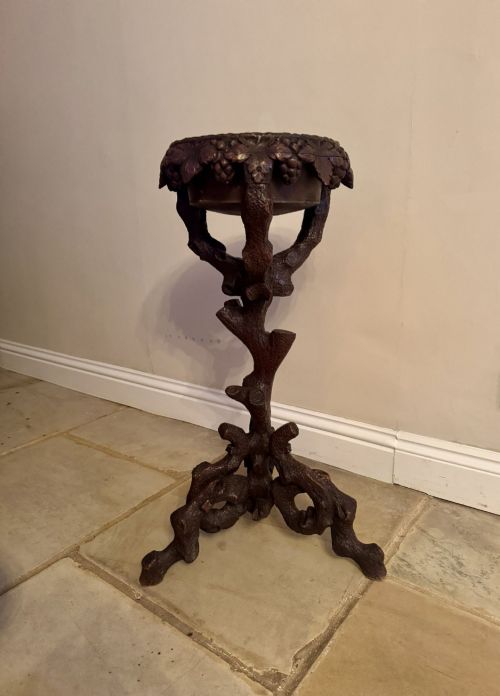
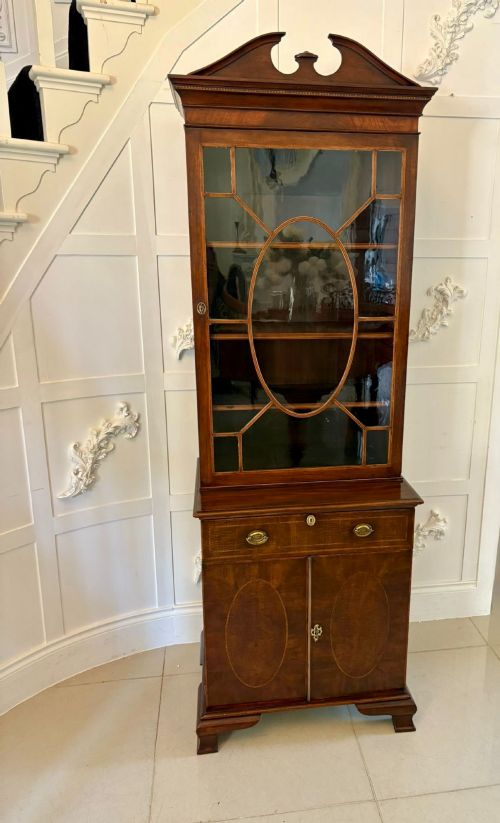
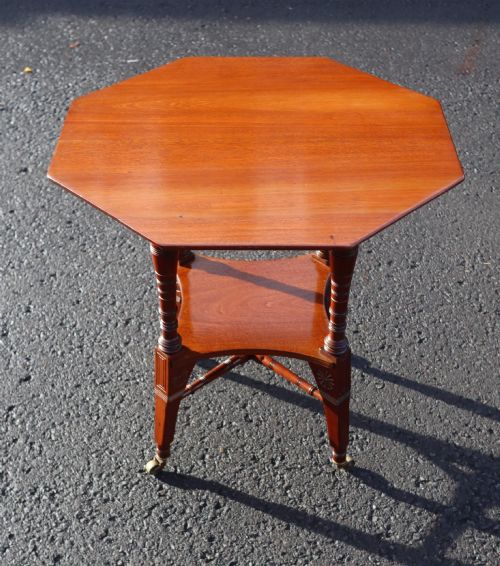
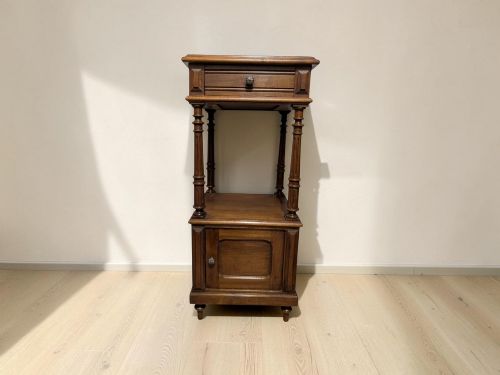
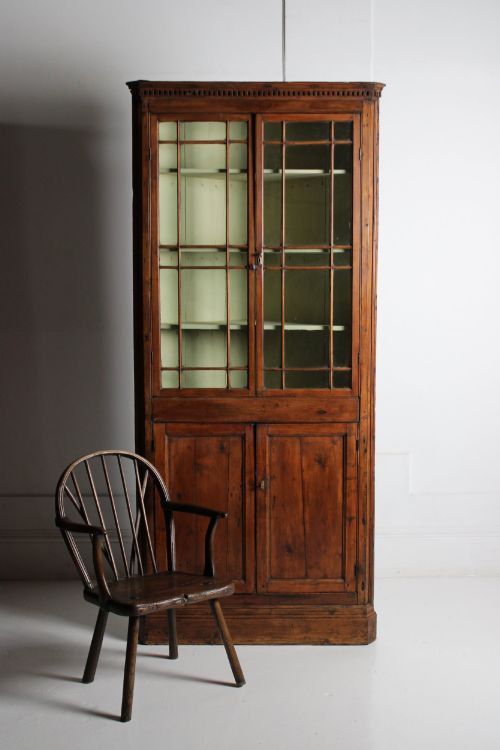
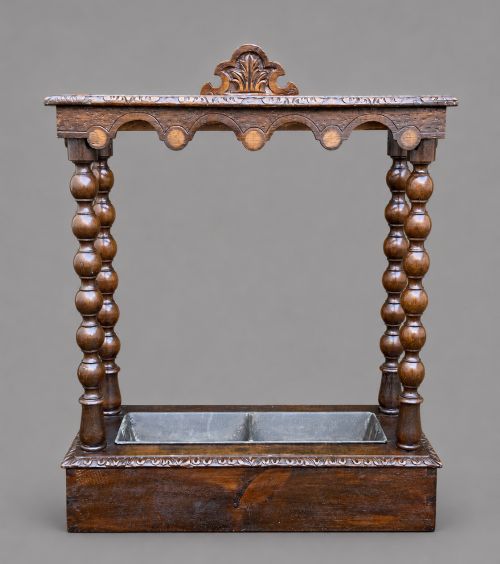
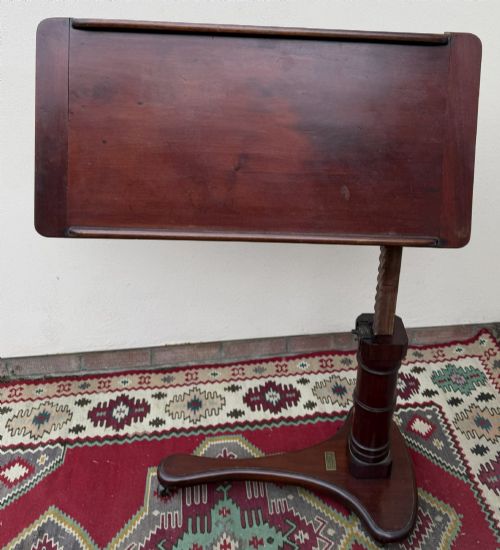
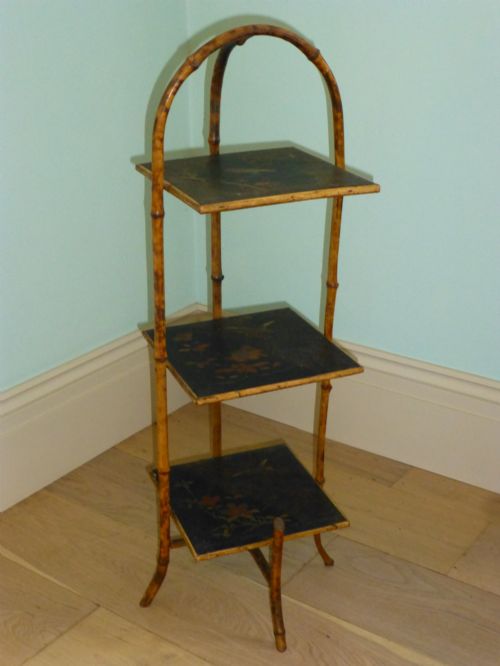
A victorian stand encompasses a diverse group of nineteenth-century furnishings designed to hold specific items in domestic interiors. The selection on this page includes music stands, towel rails, hall stands, jardiniere stands, and reading tables.
Buyers meet variations that reflect the changing needs of nineteenth-century households, from upright hall stands for hats and coats to tripod music stands intended for parlours. These items emerge from periods spanning the mid-nineteenth century through to the early twentieth century.
Origins vary between English workshops and continental makers, incorporating styles such as Gothic Revival, Arts and Crafts, and French Rococo Revival. The forms range from utilitarian teak towel rails to intricately carved wood and gesso mirrors.
Materials and construction
Cabinetmakers utilised robust timber such as mahogany, oak, rosewood, and burr walnut, often enhancing surfaces with inlays of ebony and walnut. Metal elements appear in cast iron, brass, and copper, providing structural support and decorative detail.
Joinery techniques matched the functional demands of each object, utilising tripod bases for stability on tilt-top tables and music stands, and turned components like bobbin-turned legs. Surface treatments include original paintwork, lacquer decoration, and gilded finishes.
Victorian Stand Retail Price Guide 2026
Typical asking prices for victorian stand among the pieces listed under this phrase on Sellingantiques today, from the lower quarter to the upper quarter. They describe what is for sale here now, not the wider market.
Object types on this page include music stands, towel rails, hall stands, easels, and occasional tables from English and French makers.
Assessing quality in stands
Quality reveals itself in the selection of timber figures, such as burr walnut or figured mahogany, and the precision of inlaid details. Superior examples display refined hand-carving and well-integrated brass hardware rather than utilitarian assembly.
The integrity of the original structure and surface finish dictates desirability. Pieces retaining original paintwork, unblemished glass, and functional mechanical adjustments for reading desks or music stands represent the upper tier of the range.
Osler·Mappin & Co.·Lee & Wigfull of Sheffield·Royal Doulton
The Victorian Stand Glossary
- Cheval mirror
- A full-length plate glass mirror hung in a frame that allows it to swing at an angle. It typically stands on four legs connected by stretchers.
- Jardiniere stand
- A decorative pedestal or small table designed specifically to support a plant pot or flower holder. They appear in materials ranging from carved wood to cast iron.
- Tilt-top table
- A small table featuring a mechanism that allows the tabletop to pivot into a vertical position when not in use. This design saved space in crowded nineteenth-century rooms.
- Towel rail
- A freestanding wooden frame utilised for hanging and drying towels. Examples are recorded in mahogany and teak.
- Music stand
- An adjustable stand designed to hold sheet music for musicians. These often include pivoting ledges and candle arms.
Victorian Stand: Frequently Asked Questions
What is a victorian stand used for?
A victorian stand served specific domestic purposes, holding sheet music, towels, plants, or hats depending on its exact form. These pieces functioned as practical items of furniture tailored to nineteenth-century room layouts.
Today, they retain their original utility while acting as decorative accents in modern interiors. Collectors utilise them to display objects or simply to add period character to a hallway or sitting room.
How do I identify a music stand?
Music stands feature adjustable reading ledges designed to prop open scores at a readable angle. Many incorporate candlesticks or swing arms to provide illumination for the musician.
They frequently utilise tripod bases to ensure stability on uneven floors. Some examples include double-sided reading desks intended for duets.
What woods were used for these pieces?
Cabinetmakers relied heavily on dense hardwoods such as mahogany, oak, and rosewood for structural durability. Burr walnut was frequently chosen for decorative surfaces due to its complex grain pattern.
Secondary woods and pine also appear in concealed areas or simpler utility pieces. Inlays frequently incorporated contrasting timbers like ebony.
How do I date a victorian stand?
Dating relies on observing stylistic markers, construction methods, and recorded design periods. Pieces showing Arts and Crafts influences often point towards the late nineteenth century, while heavy carving can suggest mid-century revival styles.
Maker marks, where present, provide definitive chronological anchors. The specific choice of materials, such as cast iron or burr walnut, also aligns with distinct decades of production.