





Victorian Split Pearl Jewellery
Victorian split pearl jewellery brings together delicate hemispherical pearls and rich high-carat golds to create enduringly romantic keepsakes.
Victorian Split Pearl Jewellery
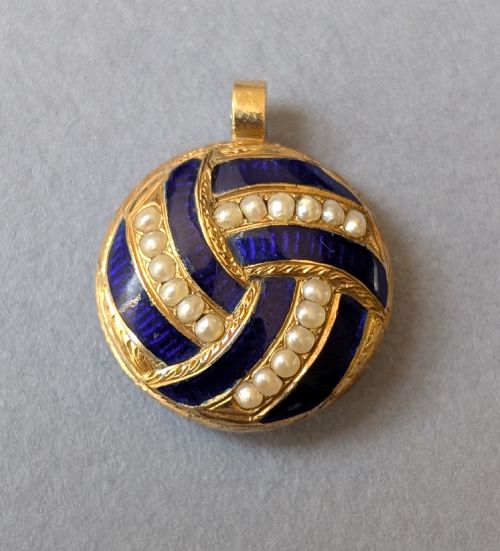
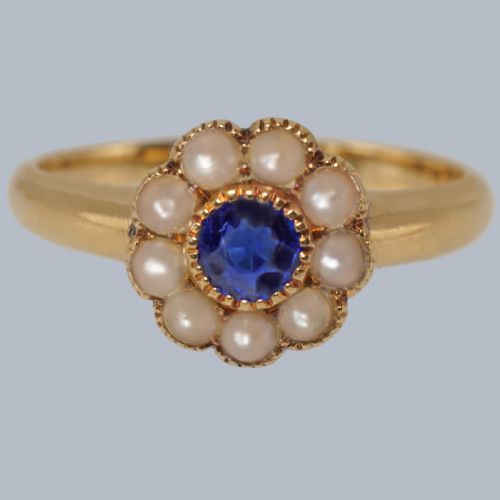
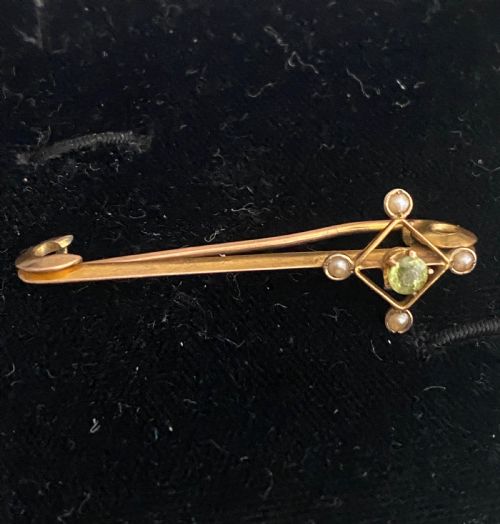
When you search for victorian split pearl jewellery, you encounter intimate rings, brooches, earrings, and lockets spanning periods from the early nineteenth century through to the early twentieth century. These items showcase half-pearls meticulously secured in yellow gold, rose gold, and occasionally enamel settings.
The most common versions met on this page include flower cluster rings and heart-shaped brooches, alongside sentimental lockets designed to hold hair or miniature portraits. The selection encompasses pieces from the Victorian era as well as later Edwardian variations.
Makers utilised both 9ct, 15ct, and 18ct gold to mount these pearls, frequently combining them with coloured gemstones like sapphires, turquoise, peridot, and aquamarine. Each piece reflects the sentimental tastes and meticulous metalwork of its period.
How they were made
Jewellers created split pearls by taking natural pearls and sawing or grinding them in half to produce flat-backed domes suitable for flush mounting onto metal plates. These domes were then secured directly into shaped recesses using pins and adhesive, a technique that saved weight and reduced the cost of precious materials while maintaining a full-rounded appearance.
The metal foundations were shaped from 9ct, 15ct, and 18ct gold, often worked into pierced heart motifs or floral cluster galleries using hand-sawing and engraving methods. Gemstones such as sapphires, turquoise, and aquamarine were hand-set alongside the pearls to add colour and contrast.
Enamel work and intricate high-carat rose gold components appear in mourning pieces and sentimental momentos, demonstrating skilled fusing of glass pastes and metals. Goldsmiths utilised Birmingham assay techniques and French import standards to mark their high-carat output.
Victorian Split Pearl Jewellery Retail Price Guide 2026
Typical asking prices for victorian split pearl jewellery among the pieces listed under this phrase on Sellingantiques today, from the lower quarter to the upper quarter. They describe what is for sale here now, not the wider market.
Listings incorporate gold alloys of 9ct, 15ct, and 18ct alongside pearls, enamel, turquoise, sapphires, peridot, and aquamarine.
What varies in quality
The grading of split pearl pieces depends heavily on the purity of the gold used, ranging from standard 9ct up to rich 18ct yellow and rose gold. Higher gold content typically accompanies finer chasing, more detailed pierced work, and superior gemstone combinations like sapphires or aquamarines.
The consistency of the pearl setting dictates the refinement of the piece, with evenly matched nacre lustre and secure flush mountings marking superior craftsmanship. Pieces that incorporate additional design elements such as enamel work or multi-stone arrangements demonstrate greater artisanal complexity.
The Victorian Split Pearl Jewellery Glossary
- Split Pearl
- A natural pearl cut in half to create a flat back for mounting on jewellery. This method allowed jewellers to cover metal surfaces densely with pearl domes.
- Cluster Ring
- A ring featuring a central gemstone surrounded by a border of smaller stones. In these listings, split pearls frequently form the floral or geometric halo around a coloured centre.
- Mourning Jewellery
- Pieces commissioned to commemorate a deceased person, often featuring hairwork, black enamel, and pearls symbolising tears. Early examples integrate high-carat gold and diamonds.
- Locket
- A hinged pendant designed to open and reveal a small keepsake space. Victorian versions often house braided hair or miniature portraits behind glass.
- Carat
- The measure of gold purity in an alloy, expressed in parts out of twenty-four. These listings feature 9ct, 15ct, and high-carat 18ct gold configurations.
Victorian Split Pearl Jewellery: Frequently Asked Questions
What is a split pearl?
A split pearl is a natural pearl that has been divided down the middle to produce a flat-backed hemispherical dome. This historic technique allowed makers to apply pearls flush against gold backings without the excessive weight of whole pearls.
These halved pearls catch the light in the same manner as round pearls while offering a streamlined profile suited to rings and close-fitting brooches.
How do I care for split pearl jewellery?
Split pearls are sensitive to organic acids, perfumes, and moisture because they are organic gems secured with historical adhesives. Avoid immersing them in liquid jewellery cleaners or ultrasonic baths.
Instead, wipe the gold and pearls gently with a soft, dry cloth after wearing and store them away from hard gemstones that might scratch the nacre surface.
Were these pieces worn for mourning?
Many Victorian pieces, particularly those combining pearls with black enamel and high-carat gold, were created as mourning jewellery. These items served to remember loved ones through symbolic motifs.
Pearls specifically represented tears in the visual language of nineteenth-century sentimentality, making them a common choice for memorial rings and lockets.
How can I tell the gold purity?
Gold purity in these items is indicated by hallmarks or tests revealing 9ct, 15ct, or 18ct gold content. British and European pieces often carry stamps denoting their alloy standard.
Higher carat figures indicate a greater proportion of pure gold in the metal mixture, resulting in a warmer, richer colour tone in both yellow and rose variations.