






Victorian Spice Container
These victorian spice container examples bring domestic history to life, offering tactile wooden vessels and silver pieces that reward close inspection.
Victorian Spice Container
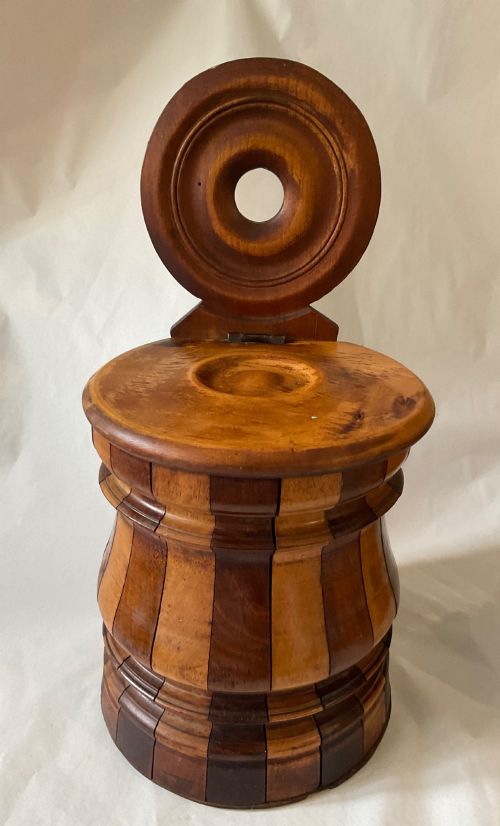
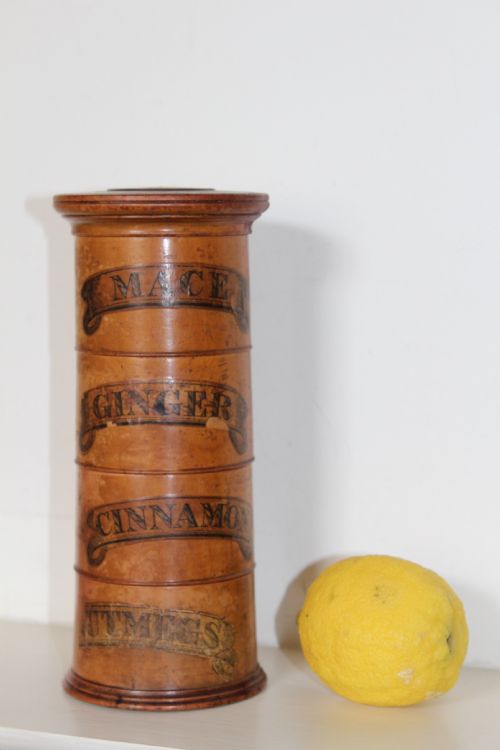
When searching for a victorian spice container, a buyer encounters a selection of kitchen storage pieces and treen containers from the nineteenth century. These objects include multi-tiered spice towers and turned wooden jars designed for domestic use.
The versions met most frequently on this page span the Victorian and wider nineteenth-century periods, alongside related kitchen collectables and treen. Materials range from boxwood and fruitwood to sterling silver and painted pine.
Forms vary from four-tier stacking towers to simple lidded vessels and novelty items. This selection showcases both utilitarian kitchenware and more decorative folk art pieces.
How they were made
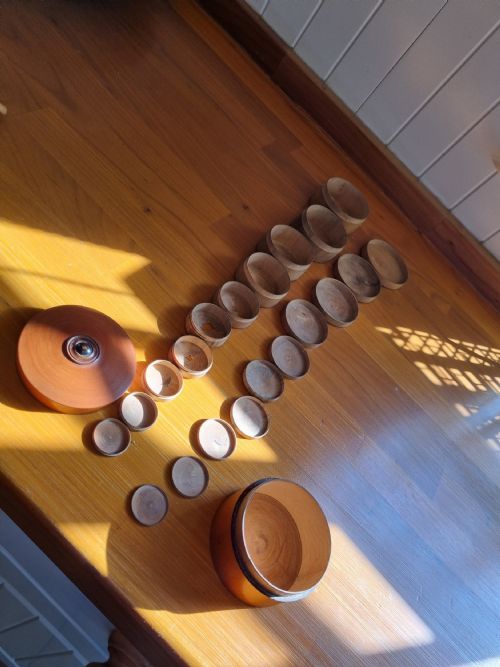
Turned woods such as boxwood, fruitwood, and sycamore form the primary body of these wooden vessels, shaped carefully on a lathe. Craftsmen utilised traditional woodworking methods to create tight-fitting lids and stacking compartments.
Sterling silver elements on pieces like nutmeg graters and mustard pots involve detailed smithing, hallmarking, and piercing techniques. Painted finishes on pine salt boxes add a layer of surface colour and protection.
Victorian Spice Container Retail Price Guide 2026
Typical asking prices for victorian spice container among the pieces listed under this phrase on Sellingantiques today, from the lower quarter to the upper quarter. They describe what is for sale here now, not the wider market.
Current listings feature boxwood, fruitwood, pine, and sterling silver across the nineteenth-century period.
What varies in quality
The fineness of the woodturning dictates much of the visual appeal, distinguishing crisp profiles and smoothly operating fitted lids from coarser work. Well-preserved original paint or polished patination on boxwood and fruitwood elevates a piece above tired examples.
Subtlety in proportion and the complexity of multi-tiered stacking designs separate standard utilitarian containers from exceptional folk art and novelty objects. Crisp hallmarks on silver components also indicate higher manufacturing standards.
The Victorian Spice Container Glossary
- Treen
- Small wooden domestic objects made by turning, carving, or joining. These items span domestic utensils, boxes, and treen containers.
- Spice tower
- A multi-tiered wooden vessel designed to hold several distinct spices in stacked compartments. They are characteristic of nineteenth-century treen.
- Fruitwood
- A dense, light-coloured wood gathered from fruit-bearing trees, frequently utilised for turned kitchenware and treen during the Victorian era.
- Boxwood
- A dense, hard yellowish wood favoured for small turned containers and precision objects because of its fine grain.
- Nutmeg grater
- A small pocket-sized implement made of metal or silver, used historically to grate hard nutmeg spices at the table.
Victorian Spice Container: Frequently Asked Questions
What were spice towers used for?
Spice towers held multiple kitchen spices in separate stacked compartments within a single compact wooden vessel. They kept flavourful ingredients organised and dry in nineteenth-century homes.
These containers sat readily on shelves or kitchen counters for daily culinary preparation.
How do I care for wooden treen?
Keep wooden treen containers away from direct sunlight and sudden temperature changes to prevent timber splitting. Dust gently with a dry cloth and avoid harsh chemical cleaners.
Applying occasional neutral wax helps maintain the natural patination of boxwood and fruitwood.
Are all these containers strictly Victorian?
While the majority date from the Victorian period and the wider nineteenth century, the listings also include Georgian and Edwardian examples. Materials and turning styles often help indicate the specific era of manufacture.
Certain pieces reflect enduring folk art traditions spanning multiple decades.
What is the difference between treen and kitchenware?
Treen refers specifically to small handmade wooden objects, whereas kitchenware encompasses a broader range of utilitarian items made from various materials including silver and painted pine. Many spice containers overlap both categories.
Collectors often group these domestic wooden items together under the heading of treen.