





Victorian Smoking Accessories
Victorian smoking accessories bring tactile craft to tobacco, turning practical requisites into objects shaped by clever mechanical ingenuity and rich materials.
Victorian Smoking Accessories
These pieces encompass the equipment used for smoking tobacco during the nineteenth century, ranging from portable silver vesta cases to substantial table lighters and desktop cabinets. You will frequently encounter table lighters, cigar cases, and match holders alongside pipe stands and tobacco jars.
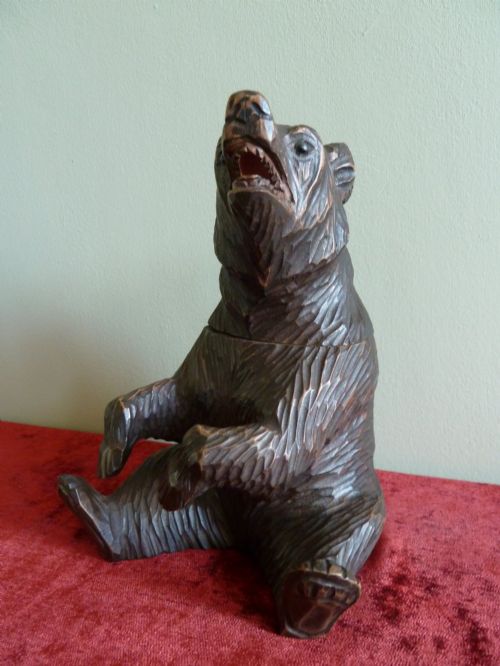
The materials span sterling silver, silver plate, and brass alongside mahogany, burr walnut, and carved wood. Animal forms appear through carved wooden dogs, bears, and foxes, reflecting the Victorian appetite for novelty in everyday desk and smoking equipment.
How they were made
Silversmiths utilised sterling silver and silver plate for table lighters, vestas, and cigar cases, employing chasing, engraving, and gilding to decorate the metal surfaces. Cases often featured internal spring mechanisms or hinged lids engineered for secure pocket storage.
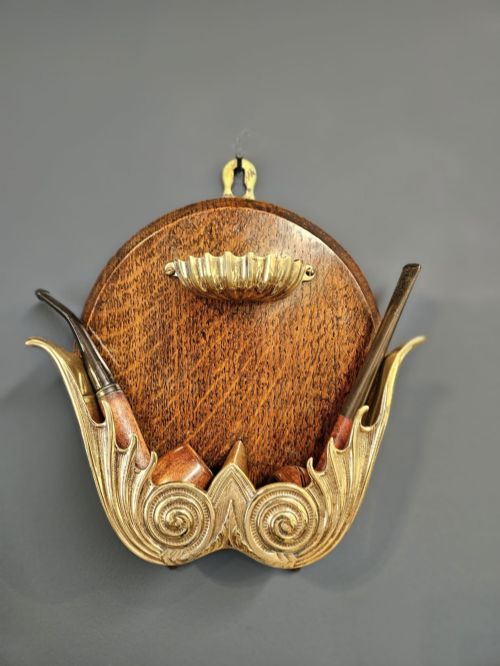
Woodworkers shaped mahogany, oak, and burr walnut into cabinets, pipe racks, and smoking compendiums, while Black Forest carvers produced detailed wooden bears and dogs to hold tobacco and matches. Leather workers fitted crocodile skin and calf leather over stiffened card or metal frames to protect pocket cigars.
Victorian Smoking Accessories Retail Price Guide 2026
Typical asking prices for victorian smoking accessories among the pieces listed under this phrase on Sellingantiques today, from the lower quarter to the upper quarter. They describe what is for sale here now, not the wider market.
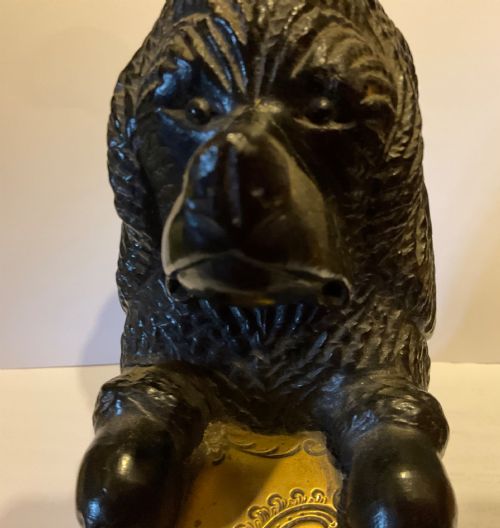
A begging wooden dog holds your matches.
What varies in quality
The refinement of the carving separates standard wooden items from masterworks, visible in the depth of fur and expression on Black Forest animals and carved dogs. Crispness in metal engraving on silver vesta cases and table lighters marks the distinction between routine production and high workshop output.
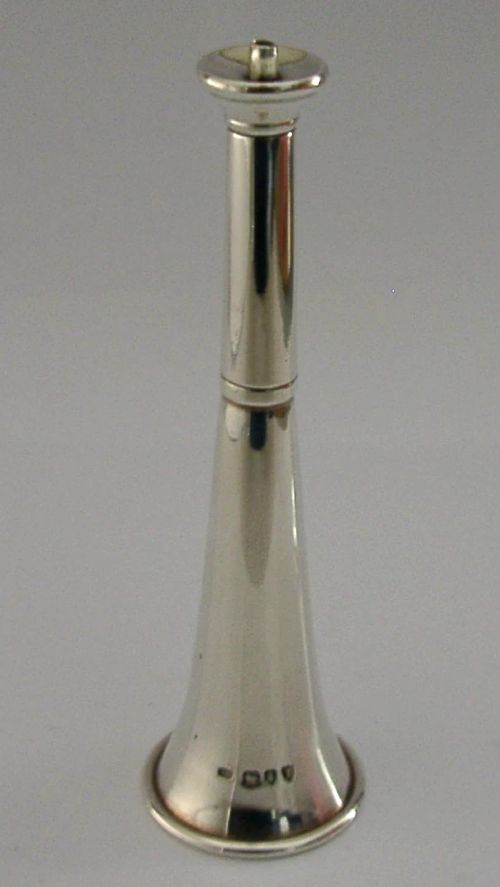
Complexity of construction defines the upper tier, seen in locking mechanisms on cabinets, double-lidded cigar boxes, and novelty forms shaped like fire carriages or hunting horns. The integration of maker marks and hallmarked precious metals adds documented certainty to the construction.
Braham·Goldsmith & Silversmith·Sampson Mordan·Wright & Davies
The Victorian Smoking Accessories Glossary
- Vesta case
- A small pocket container designed to hold matches, typically fitted with a striking strip on the base. These metal cases often featured hinged lids and engraved scrollwork.
- Pipe tamper
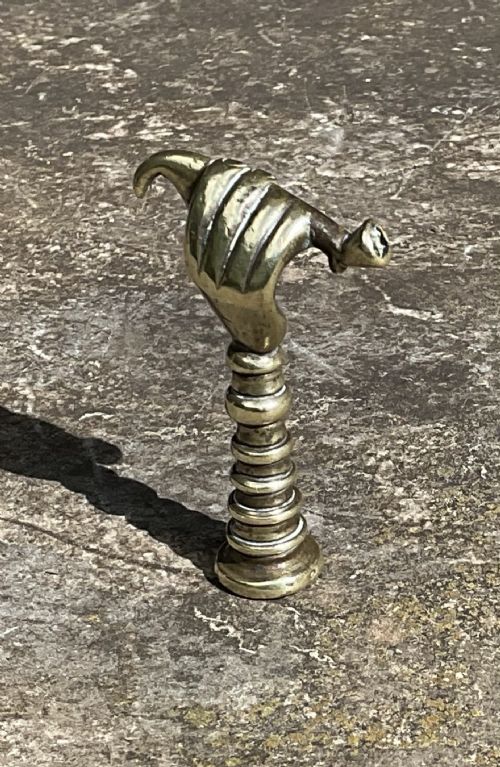
- A small tool used to pack tobacco down into the bowl of a pipe evenly during smoking. Examples are found in brass and silver, sometimes combined with picks.
- Humidor
- A sealed box or cabinet designed to store cigars at a controlled humidity. Mahogany, burr walnut, and silver-mounted woods were utilised for these desktop pieces.
- Compendium
- A fitted container holding multiple smoking requisites together in one set. They appear on wheels or in decorative novelty forms.
- Cheroot case
- A slim pocket case designed specifically to hold narrow open-ended cigars rather than standard cigarettes. They utilise rigid leather, crocodile skin, or solid silver.
Victorian Smoking Accessories: Frequently Asked Questions
How were cigar cases used?
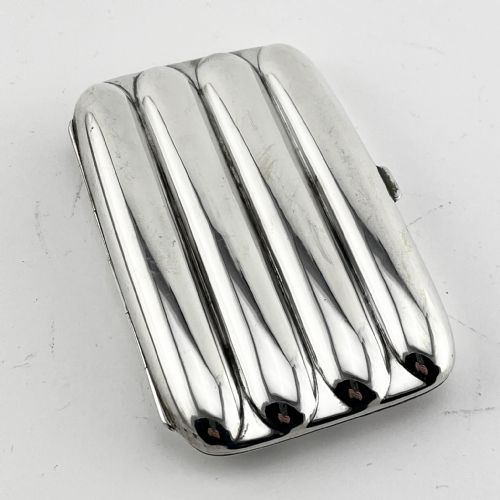
Gentlemen carried pocket cigar and cheroot cases to protect delicate tobacco from being crushed while moving about during the day.
Many featured curved shapes to sit comfortably in a pocket, while others utilised locking mechanisms or crocodile leather exteriors for durability.
How do I identify a table lighter?
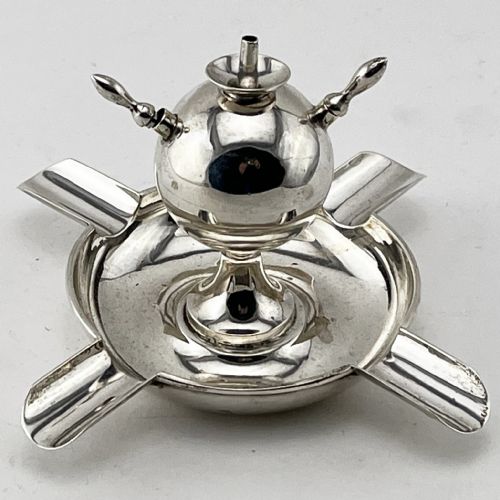
Table lighters are heavier stationary pieces designed to sit on a desk or smoking table, often taking decorative shapes such as Aladdin lamps, hunting horns, or novelty figures.
They generally incorporate silver or brass bodies with wick holders and mechanisms to produce a flame for lighting cigars and pipes indoors.
What materials were popular?
Sterling silver and brass were widely used for metal items like vestas and pipe tampers, offering durability and surfaces suitable for engraving.
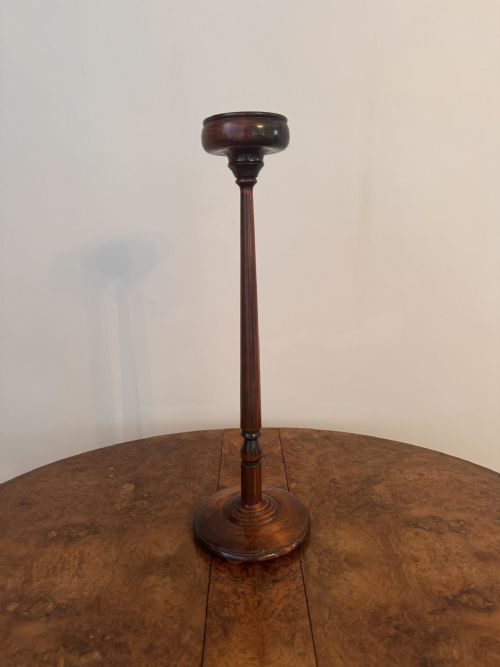
Wood was equally prominent, with mahogany and burr walnut forming cabinets and pipe stands, alongside hand-carved Black Forest woods depicting animals.