



Victorian Small Bench
These victorian small bench examples offer compact seating through mahogany, walnut, and pine forms.
Victorian Small Bench
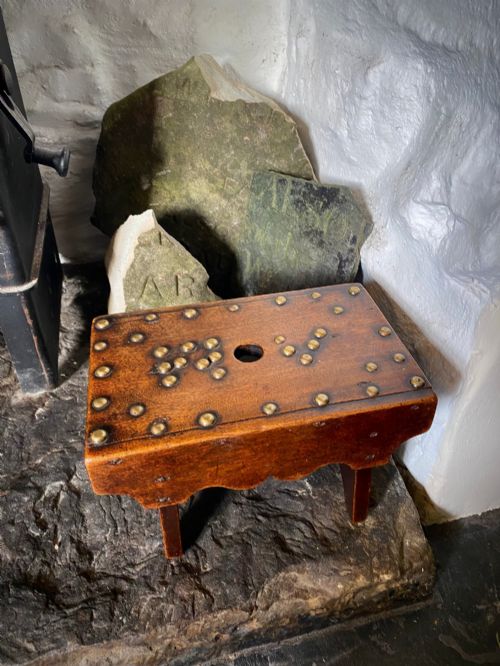
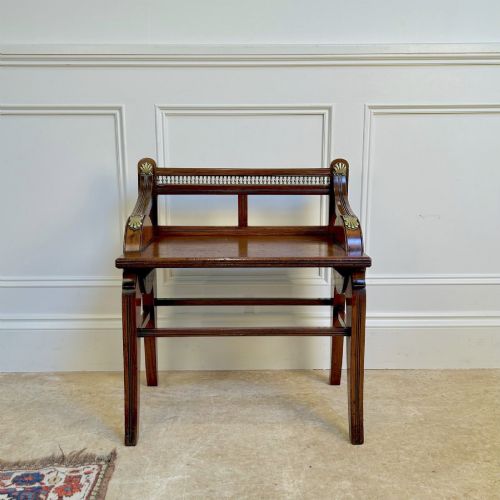
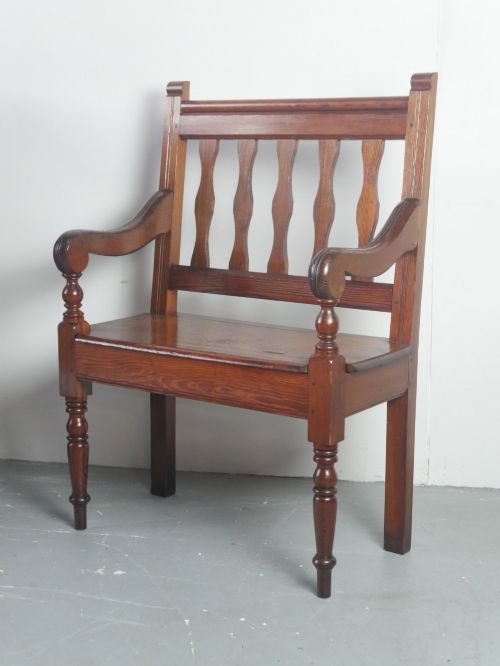
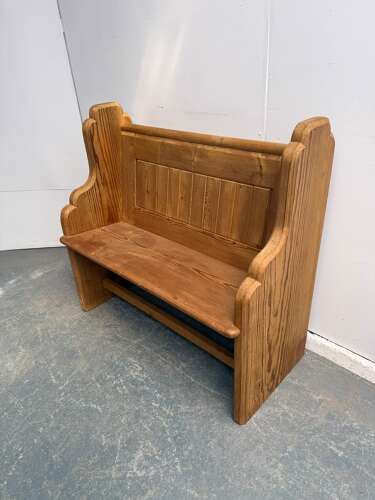
Buyers seeking a victorian small bench encounter a variety of compact seating forms originating across the nineteenth century and into the early twentieth century. These pieces encompass items styled as neat hall benches, miniature furniture, church pews, and small settees.
The selections span distinct aesthetic traditions, including Victorian country, rustic country, and Gothic Revival influences. Such furniture serves utilitarian purposes in hallways and bedrooms while providing distinctive period character.
Most variations appearing here rely on traditional timbers like oak, walnut, mahogany, and pitch pine, occasionally accompanied by fabric upholstery and brass detailing.
Construction and materials
Construction relies heavily on durable hardwoods and softwoods, utilising solid oak, walnut, mahogany, and pitch pine. Surfaces frequently receive traditional wax finishes to preserve the timber grain.
Upholstered variations incorporate fabrics such as blue velvet alongside decorative elements like brass studs and tassel trims. Miniature forms and larger pews alike demonstrate joinery techniques typical of nineteenth-century cabinet makers.
Victorian Small Bench Retail Price Guide 2026
Typical asking prices for victorian small bench among the pieces listed under this phrase on Sellingantiques today, from the lower quarter to the upper quarter. They describe what is for sale here now, not the wider market.
Listings feature timbers including solid oak, walnut, mahogany, and pitch pine alongside brass and fabric elements.
Distinctions in quality
Quality differentiates itself through the selection of timber and the precision of carved details, such as those found on walnut stools. Finer examples exhibit considered proportions and well-executed upholstery work.
Makers of note and pieces bearing specific provenance or initials add historical interest, distinguishing standard utility seating from more refined decorative objects.
James Shoolbred
The Victorian Small Bench Glossary
- Hall bench
- A narrow wooden seat designed for an entrance hallway, often featuring storage or a decorative backrest.
- Club fender
- A low, padded seating frame traditionally placed around a fireplace hearth, combining brass and upholstery.
- Pew
- A long wooden bench traditionally found in churches, adapted in smaller sizes for domestic use.
- Canapé
- An ornamental upholstered sofa or settee dating from the period, featuring an exposed wooden frame.
Victorian Small Bench: Frequently Asked Questions
Where should I put a small bench?
Compact seating of this scale suits narrow entrance hallways, bedroom ends, or smaller living spaces where full-sized sofas prove impractical.
Their restrained footprint allows them to function as both decorative accents and practical seating options.
How do I clean waxed pine furniture?
Maintain waxed surfaces using a soft, lint-free cloth and periodically apply a suitable furniture wax to nourish the timber.
Avoid harsh chemical cleaners that strip the traditional wax finish and dry out the underlying wood.
What is a club fender?
A club fender is a low-frame seat designed to sit around a fireplace hearth, featuring brass structures and cushioned top rails.
They provide fireside seating while keeping occupants at a comfortable distance from the heat source.
How do I identify Victorian upholstery?
Victorian upholstered seating often employs materials like velvet, button-backed detailing, and decorative trimmings such as tassels.
Construction methods typically involve traditional stuffing techniques and secure fastening with brass studs.