





Victorian Silver Serving Dish
When you search for a victorian silver serving dish, you step into a world of heavy plate, revolving lids, and dining tables set for grand courses.
Victorian Silver Serving Dish
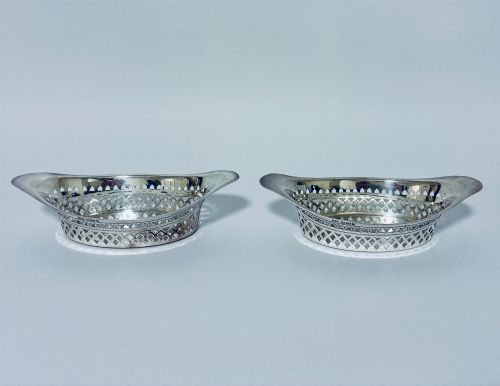
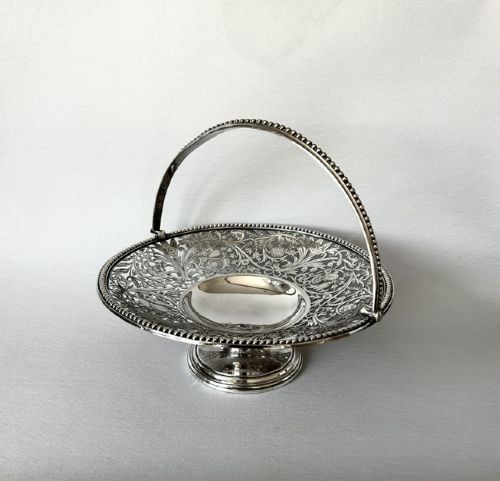
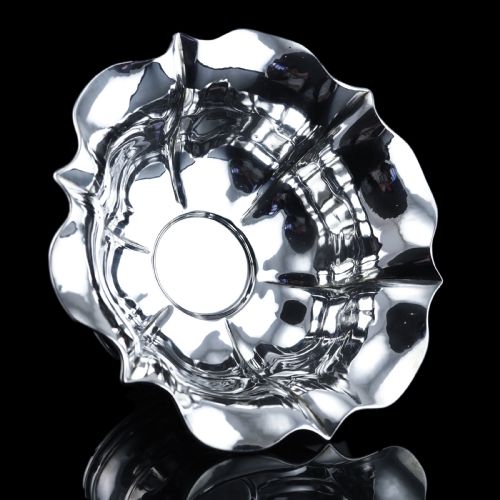
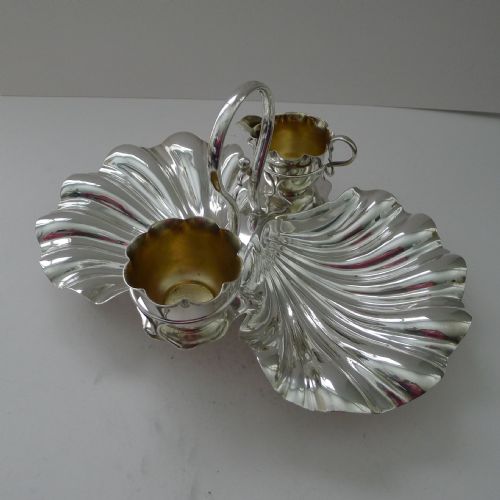
A victorian silver serving dish covers a vast array of dining table vessels designed to hold meat, vegetables, butter, and sweetmeats. You will encounter everything from simple open bowls and bonbon dishes to elaborate revolving lidded butter dishes and double rollover tureens.
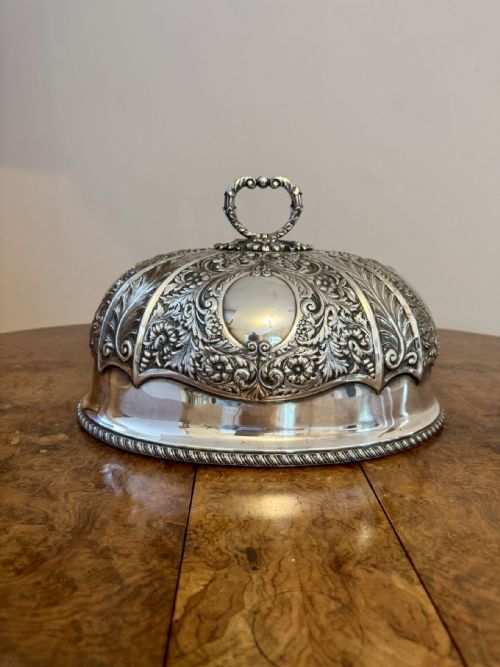
Most examples found here date from the nineteenth century into the Edwardian era, bearing the distinct marks of Victorian dining habits. They range from small tabletop sweetmeat dishes to large warming trays and meat covers intended for formal service.
How they were made
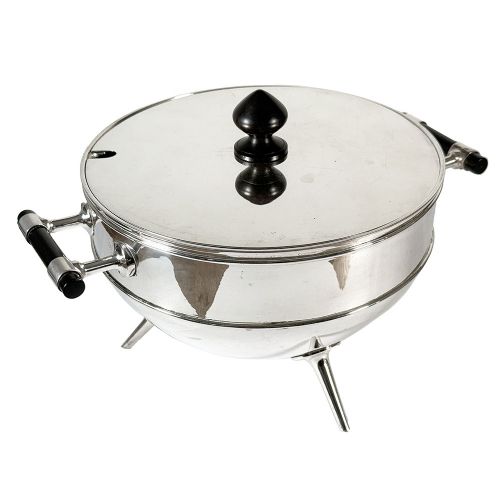
Makers utilised sterling silver, solid silver, and silver plate over base metals such as electroplated nickel silver. Many pieces integrate cut glass bowls, hand-painted ceramics, stoneware, or ebonised wood handles to complement the metalwork.
Craftsmen applied various techniques including piercing, floral engraving, embossing, and figural casting. Domed covers and revolving mechanisms required precise engineering to ensure smooth operation during dining service.
Victorian Silver Serving Dish Retail Price Guide 2026
Typical asking prices for victorian silver serving dish among the pieces listed under this phrase on Sellingantiques today, from the lower quarter to the upper quarter. They describe what is for sale here now, not the wider market.
Listings feature sterling silver, silver plate, cut glass, and stoneware across Victorian, Edwardian, and Arts & Crafts aesthetics.
What varies in quality
Quality rests in the weight of the metal, the crispness of the chased or engraved floral motifs, and the structural integrity of hinged mechanisms. Superior pieces maintain thick plating that resists wear, whereas lesser items show thin plating exposing the base metal beneath.
Design ambition separates standard tableware from notable creations. Pieces bearing maker marks with distinct aesthetic styles or modernist forms display a higher tier of design thought than generic utility items.
Daniel Arter·Hukin & Heath·Walker & Hall·Doulton Lambeth·Hamilton & Inches·Tiffany & Co·Martin Hall·Roberts and Belk·Elkington & Co·Edward & John Barnard·William Hutton & Sons·Dan Holy·William Padley
The Victorian Silver Serving Dish Glossary
- Silver Plate
- A layer of silver bonded to a base metal such as copper or nickel silver. This technique allowed wider households to afford impressive tableware.
- Entree Dish
- A lidded serving vessel used for bringing pre-cut courses to the dining table. They frequently feature removable handles for versatile arrangement.
- EPNS
- Electroplated Nickel Silver. A common base metal composition found beneath silver plating in nineteenth-century manufactured goods.
- Bonbon Dish
- A small, decorative open vessel designed to hold sweets or confectionery. They often incorporate pierced metalwork or cut glass inserts.
- Tureen
- A deep, large bowl with a lid utilised for serving soups, stews, or punches. Many examples include matching ladles and double handles.
Victorian Silver Serving Dish: Frequently Asked Questions
What were victorian silver serving dishes used for?
These vessels held specific food items during formal multi-course meals, ranging from roasted meats and vegetables to delicate butter, asparagus, and sweetmeats. Each shape served a distinct culinary purpose on the nineteenth-century dining table.
Larger items like tureens and warming trays kept food hot during long services, while smaller bonbon and sweet dishes circulated among guests after the main courses.
How do I clean my silver plated dish?
Maintenance requires gentle washing with warm soapy water and a soft cloth to protect the underlying silver layer. Avoid harsh abrasive cleaners that strip away thin plating over time.
Store pieces in dry environments and utilise specialised silver polishes sparingly only when tarnish obscures the underlying engraving or detail work.
How can I tell sterling silver from silver plate?
Sterling silver items display official hallmarks indicating purity, such as a lion passant for British silver, alongside maker marks and date letters. Silver plated pieces usually lack these specific sterling stamps and may reveal a brassy or grey base metal where wear occurs.
Examining the underside and edges under good light often exposes the subtle colour differences between solid precious metal and plated surfaces.
Can I use antique serving dishes for modern dining?
Many collectors actively incorporate these pieces into contemporary dining tables for serving dry foods, fruits, or baked goods. Care should be taken with acidic foods that might react with older silver plate or mixed materials like cut glass and ceramics.
Hand washing is essential, as modern dishwashers will damage antique metals, wooden handles, and delicate joints.