
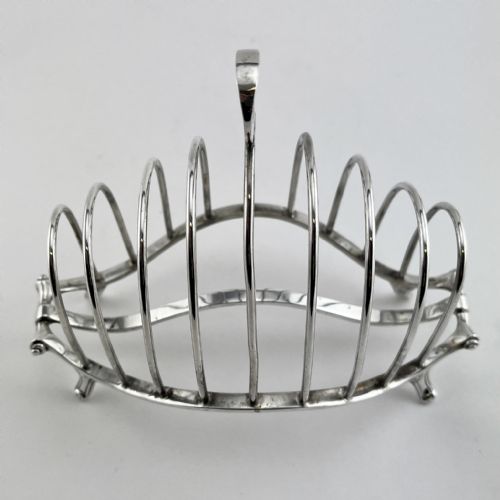


Victorian Silver Rack
When you search for a victorian silver rack, you enter a world of dining table service built to keep breakfast toast crisp and upright.
Victorian Silver Rack
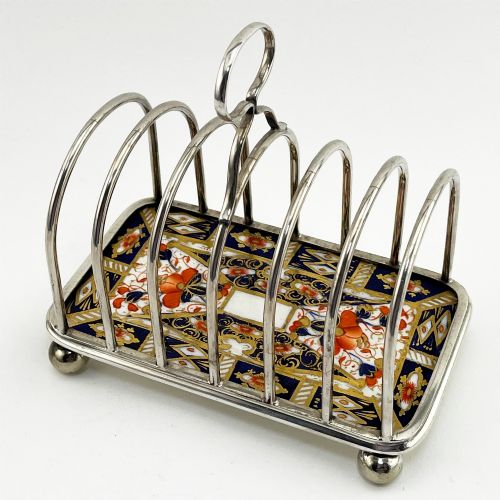
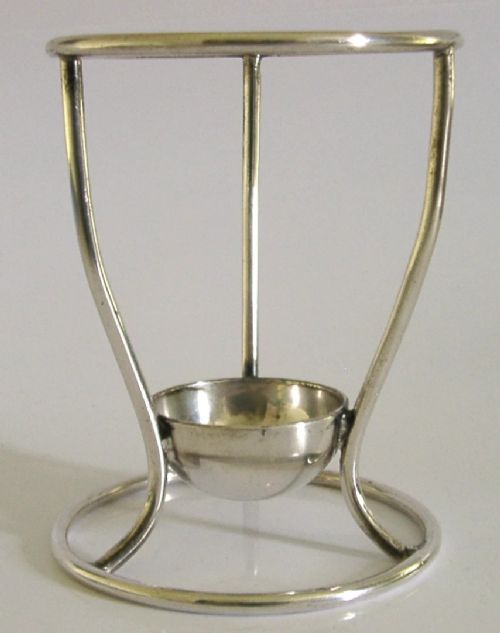
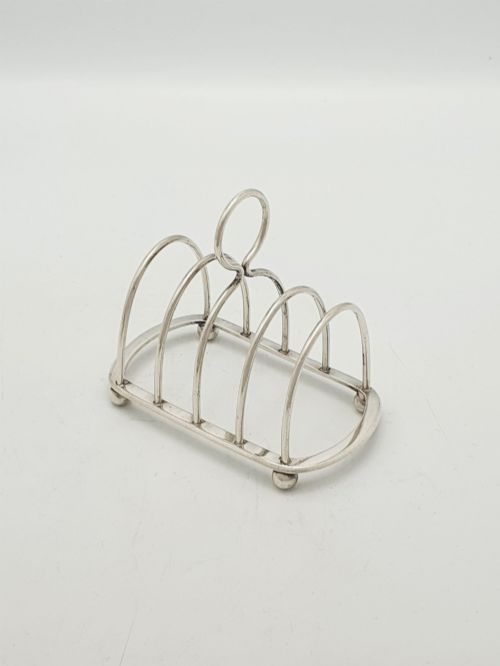
A victorian silver rack primarily takes the form of toast dividers designed for the breakfast table, alongside related serving frames and barware found across the nineteenth and early twentieth centuries.
The most common pieces met on this page are silver plated or sterling silver toast racks with multiple arched divisions, originating from the Victorian, Edwardian and Georgian periods.
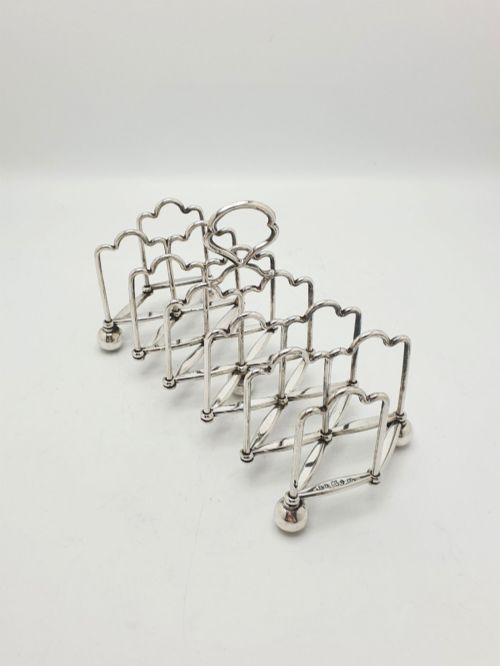
Makers produced these items in various configurations, from simple trefoil wirework to elaborate novelty shapes like wagons, swans and rifles.
Materials and construction methods
Silversmiths utilised sterling silver and electroplated nickel silver over base metals, shaping wire and plate into rigid architectural divisions.
Workers combined metal frames with oak bases, cut glass inserts and cast iron supports to create sturdy serving pieces for daily dining.
Manufacturers applied silver plating techniques to base metals, creating durable surfaces that replicated the appearance of solid silver at a lower cost.
Victorian breakfast tables occasionally featured novelty toast racks shaped like railway wagons or swimming swans to amuse morning guests.
Distinctions in manufacture and design
Quality rests in the heaviness of the gauge and the precision of the soldering where the wire dividers meet the base bar.
Plain domestic utility pieces differ from novelty designs, such as expanding mechanisms or figural shapes, which demand greater mechanical skill from the maker.
Maker marks from recognised firms indicate higher standards of silversmithing compared to unmarked electroplated pieces.
Elkington and Company·Hukin and Heath·William Hutton and Sons·Nathan and Hayes·Atkins Brothers
The Victorian Silver Rack Glossary
- Sterling silver
- A silver alloy containing 92.5 percent pure silver by mass and 7.5 percent other metals, usually copper. This standard denoted high grade domestic silver items.
- Silver plate
- A layer of silver applied to a base metal such as copper or nickel brass. This method made dining accessories accessible to broader households.
- EPNS
- Electroplated nickel silver. A common base metal alloy coated with a thin layer of silver through an electrolytic process.
- Toast rack
- A table accessory consisting of a base with vertical metal dividers. It held slices of toast upright to prevent condensation from making the bread soggy.
- Cruet set
- A matched group of bottles or containers for condiments and eggs. These sets sat in dedicated metal frames for table service.
Victorian Silver Rack: Frequently Asked Questions
What is a victorian silver rack used for?
These pieces held hot toast upright on the breakfast table so the steam could escape, keeping the slices crisp and dry before eating.
They also served as decorative centerpieces for morning dining, reflecting the elaborate table service customs of the period.
How do I clean a silver plated rack?
Clean these items using a soft cloth and mild silver polish specifically formulated for plated surfaces to avoid removing the thin metal layer.
Avoid harsh chemical dips that strip away the original patina and damage any integrated wooden bases or glass inserts.
Are these racks made of solid silver?
Many examples are made from electroplated nickel silver or standard silver plate over a base metal rather than solid sterling silver.
Look for hallmarks on the metal base or dividers to determine whether the piece is solid silver or plated.
How can I tell the period?
Examine the style of the wirework, the shape of the feet, and any stamped maker marks or registry numbers on the metal frame.
Design motifs like Aesthetic Movement geometry or elaborate Victorian floral engraving point directly to the manufacturing decade.