




Victorian Silver Powder Box
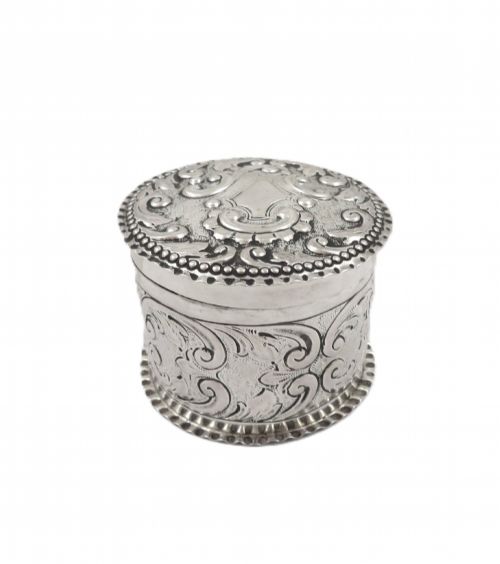
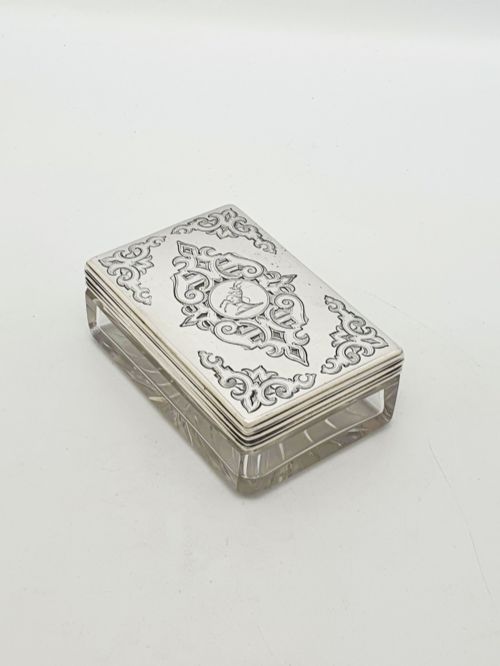
These Victorian silver powder box pieces are dressing table essentials that bring mid to late nineteenth-century craftsmanship directly into daily modern routines.
Victorian Silver Powder Box
A victorian silver powder box takes the form of dressing table jars, vanity pots, and trinket boxes designed for the nineteenth-century dressing room. The pieces recorded here span the nineteenth century, Edwardian era, nineteen-hundreds, and nineteen-twenties, alongside French Belle Epoque and Asian Export styles.
Most items combine solid sterling silver or silver plate with cut glass, Clichy glass, or clear glass bodies. Dressing sets and vanity pots appear frequently alongside standalone trinket boxes.
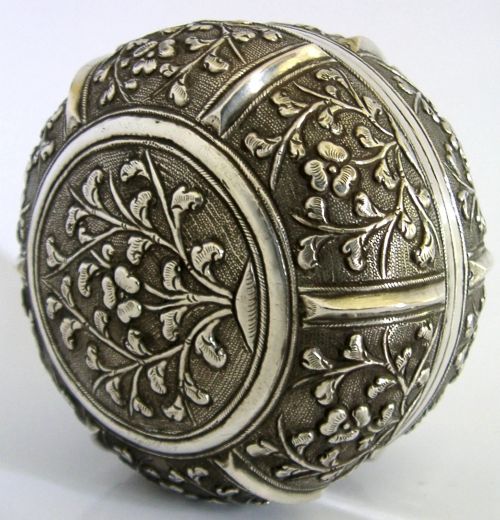
Origins stretch from British workshops to French makers and Chinese export silversmiths such as Wang Hing and Company. Buyers meet everything from simple silver-topped glass jars to heavy dragon-decorated export boxes.
Materials and construction
Makers combined heavy cast or pressed sterling silver with thick cut glass and blown Clichy glass bodies. Lids and mounts utilised hallmarked silver, often paired with interior linings of silk or leather.
Asian export pieces employed solid silver shaped with repoussé dragons and detailed regional motifs. European workshops relied on precision glass cutting and fine metalwork to secure tight-fitting vanity jar lids.
Victorian Silver Powder Box Retail Price Guide 2026
Typical asking prices for victorian silver powder box among the pieces listed under this phrase on Sellingantiques today, from the lower quarter to the upper quarter. They describe what is for sale here now, not the wider market.
Silver dragons peer from Chinese export lids, guarding dressing tables since eighteen-ninety.
Distinctions in quality
Quality rests upon the depth of the silver work and the clarity of the glass vessel. Heavy gauge sterling silver mounts and crisply cut crystal elevate a piece above standard plated wares and plain glass.
The distinction between standard domestic items and maker-marked export silver lies in the hand-chased detail of the metal. Pieces bearing identifiable workshop signatures demonstrate superior finishing in both the silver lid and the fitted glass base.
Wang Hing and Company
The Victorian Silver Powder Box Glossary
- Sterling silver
- A silver alloy containing 92.5 percent pure silver by mass, standard for British and international vanity boxes.
- Clichy glass
- Nineteenth-century French glass known for exceptional clarity and weight, frequently mounted with silver tops.
- Vanity pot
- A small lidded container used on a dressing table for powders, creams, or pins.
- Asian export
- Silverware manufactured in China or Southeast Asia during the nineteenth century specifically for Western markets, often featuring dragon motifs.
- Repoussé
- A metalworking technique where the silver is hammered from the reverse side to form a raised design on the front.
Victorian Silver Powder Box: Frequently Asked Questions
What is a victorian silver powder box?
It is a small lidded container made for holding cosmetic powder on a nineteenth-century dressing table. These items typically combine a glass base with a hallmarked silver lid.
They form part of wider vanity and dressing sets used during the Victorian and Edwardian periods.
How were these boxes used?
Owners kept them on dressing tables to hold loose face powder, vanity items, or small trinkets. The fitted lids protected the contents from dust in daily use.
Larger versions served as part of complete matching dressing sets for travel or bedroom display.
How do I date a silver powder box?
Dating relies on British silver hallmarks stamped into the metal, which indicate the exact year of assay. Stylistic clues like French Belle Epoque curves or Chinese export dragon motifs also point to specific decades.
Glass cutting styles further help distinguish mid-nineteenth-century pieces from later Edwardian examples.
Are these boxes suitable for daily use?
Their sturdy silver mounts and thick glass bodies make them practical for holding modern small items. Gentle cleaning preserves the original silver and glass surfaces.
Collectors often place them back on dressing tables to serve their original decorative and storage purposes.