


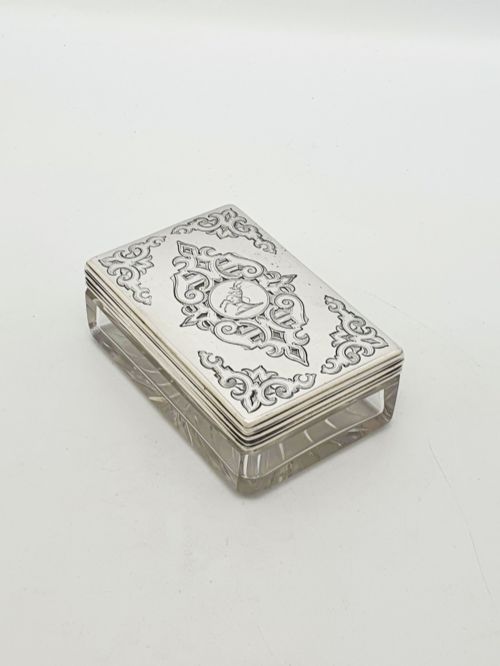


Victorian Silver Lid Jar
A victorian silver lid jar brings refined utility to a dressing table or tea service, combining precious metal with glass, ceramic or porcelain.
Victorian Silver Lid Jar
A victorian silver lid jar encompasses a broad category of lidded containers spanning biscuit barrels, trinket boxes, tea caddies and vanity jars. These pieces emerge predominantly from the nineteenth century and the Edwardian era, alongside occasional Georgian and early twentieth-century examples.
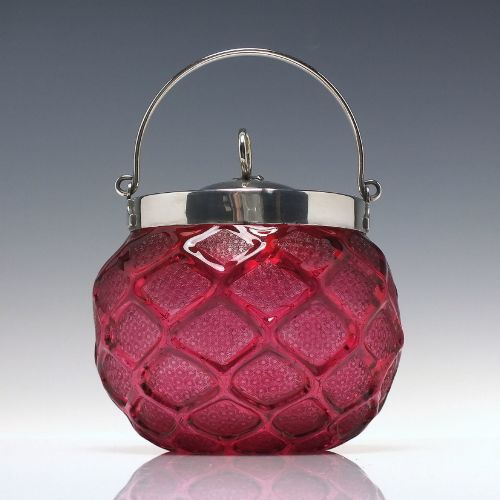
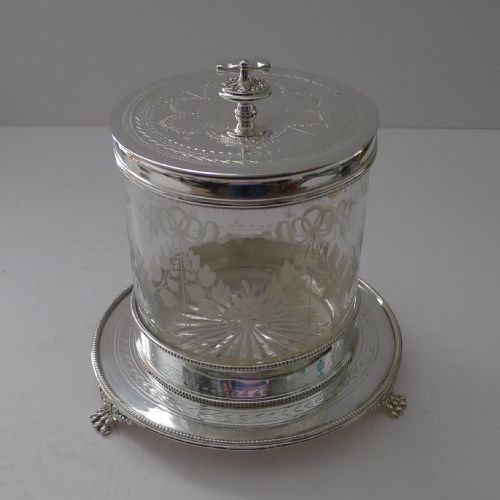
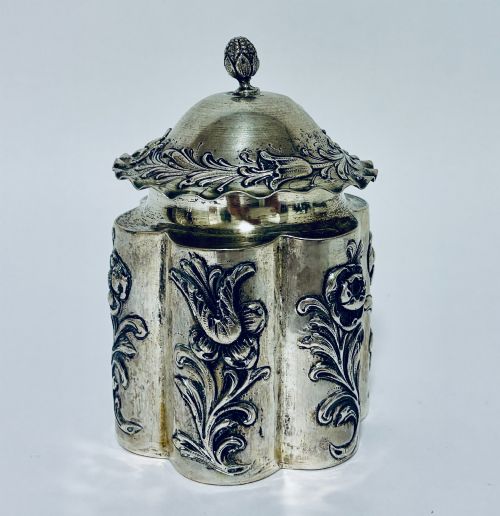
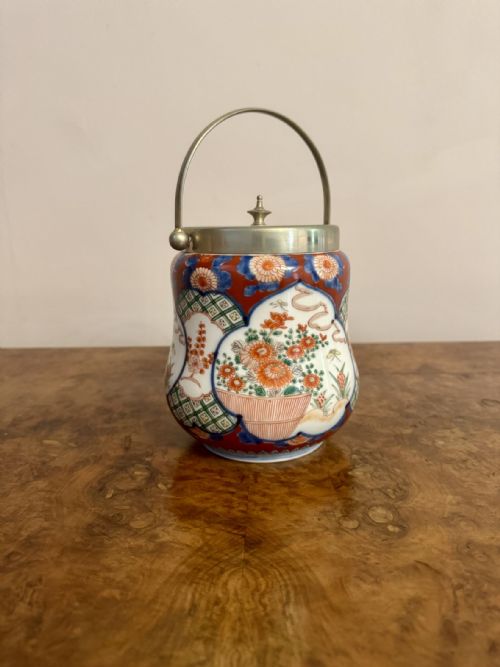
The objects take many forms, including cylindrical vanity jars, tall soap containers, small trinket boxes and bulbous preserve pots. Buyers most frequently encounter cut glass or cranberry glass bodies finished with solid silver or silver-plated lids.
Origins stretch across English workshops, continental European makers, Ottoman centres and Anglo-Indian colonial outposts. This variety ensures that a victorian silver lid jar adapts readily to contemporary display alongside period collections.
Materials and Construction
Craftsmen combined solid silver, sterling silver and silver plate with clear cut glass, cranberry glass, porcelain, ceramic and marble. Lids and mounts were fashioned through casting, embossing or piercing, often securing tightly to glass bodies shaped by blowing or cutting.
Makers utilised specialised techniques for different functions, such as adding ruby red glass liners to mustard pots or creating automated mechanical mounts for biscuit boxes. Hallmarks stamped into the silver confirm the assay office, standard and date of manufacture.
Victorian Silver Lid Jar Retail Price Guide 2026
Typical asking prices for victorian silver lid jar among the pieces listed under this phrase on Sellingantiques today, from the lower quarter to the upper quarter. They describe what is for sale here now, not the wider market.
Evaluating the Pieces
Quality rests upon the weight and thickness of the silver lid, the depth of any embossing, and the clarity of the glass or ceramic body. Heavy gauge solid silver mounts and crisp, detailed chasing distinguish finer examples from standard production items.
The integrity of the fit between lid and vessel matters significantly, as does the preservation of coloured glass liners, such as cranberry or Bristol green. Pieces bearing clear hallmarks and those attributed to notable makers demonstrate superior craftsmanship.
Thomas Bradbury·George Betjemann And Sons
The Victorian Silver Lid Jar Glossary
- Hallmark
- Official marks stamped on precious metals to indicate the assay office, metal purity and year of manufacture. These small punches provide reliable dating for antique items.
- Tea Caddy
- A container designed to store loose tea leaves securely before brewing. They appear in silver, porcelain and wood.
- Biscuit Barrel
- A lidded jar used for storing biscuits in the dining room or drawing room. They frequently combine ceramic or glass bodies with silver-plated mounts and swing handles.
- Trinket Box
- A small container intended for holding jewellery, pins or small personal accessories. They often feature hinged or pull-off silver lids.
- Cranberry Glass
- A rich red transparent glass coloured with gold chloride during production. It gained popularity in Victorian tableware and decorative jars.
Victorian Silver Lid Jar: Frequently Asked Questions
What were vanity jars used for?
Vanity jars held creams, powders, soaps and personal grooming accessories on a dressing table. Their metal lids protected the contents from dust.
These pieces were essential items in nineteenth-century dressing routines, combining practical storage with decorative display.
How do I clean antique silver lids?
Silver lids benefit from gentle cleaning with a specialised soft cloth to remove tarnish without disturbing the underlying metal. Avoid harsh chemical dips that strip away the natural patina.
Care should be taken to keep moisture away from any glass or ceramic cement holding the mount in place.
Are these jars safe for food?
Jars originally intended for preserves, mustard or biscuits can safely serve similar dry or wet foods today, provided the interior surfaces remain intact. Glass and glazed ceramic liners are non-porous and easy to wash.
Silver and silver plate should be washed by hand rather than placed in a dishwasher.
How can I tell the age of a jar?
The hallmarks stamped onto the silver components offer the most precise dating by identifying the assay office and year cycle. Stylistic clues such as cut glass patterns and embossing styles also indicate the Victorian or Edwardian period.
Matching the lid hallmarks with the general manufacturing style confirms whether the components are original to one another.