

Victorian Silver Jewelry
Victorian silver jewellery encompasses wearable ornaments and desktop boxes forged in sterling and silver gilt during the nineteenth and early twentieth centuries.
Victorian Silver Jewelry
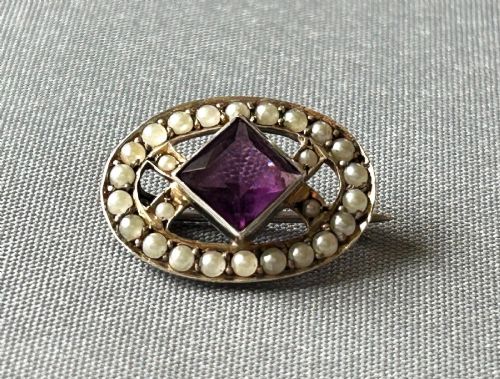
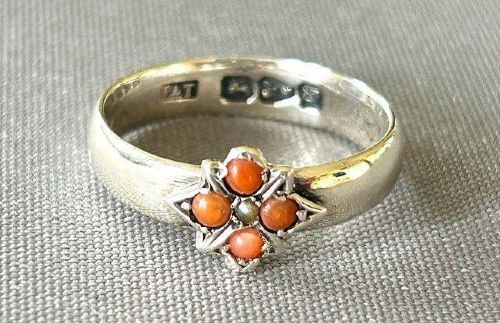
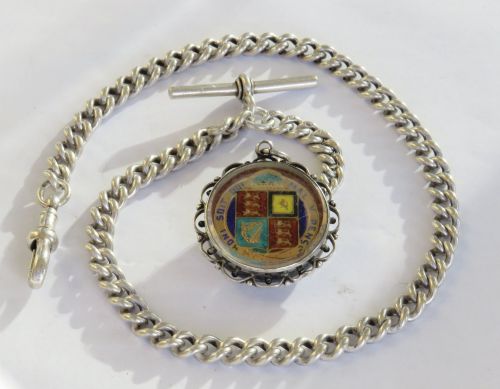
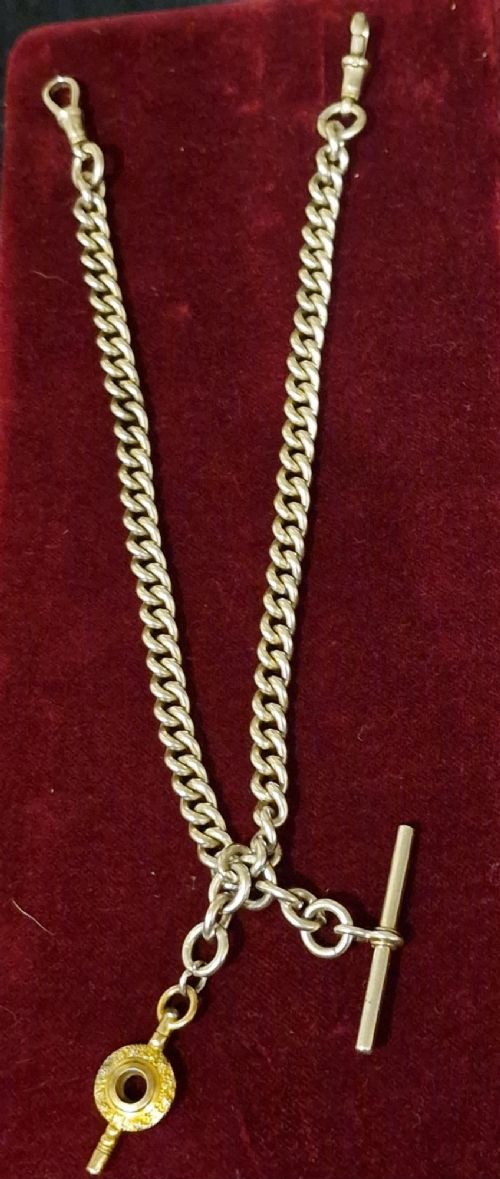
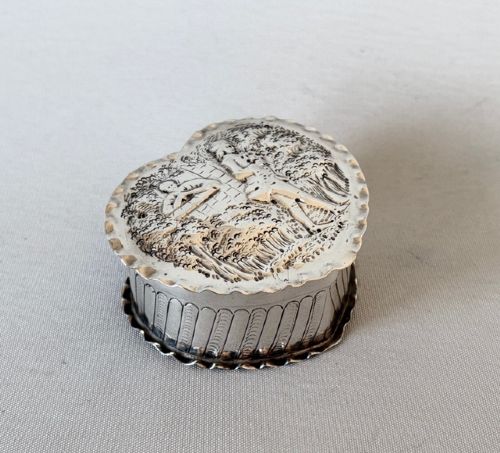
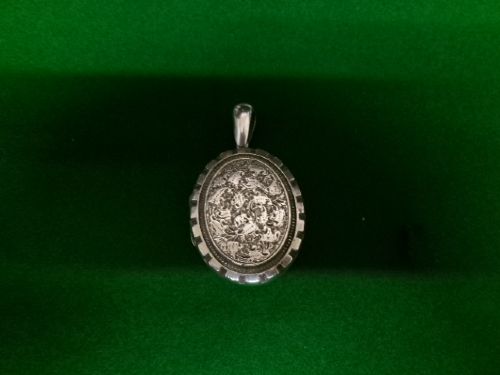
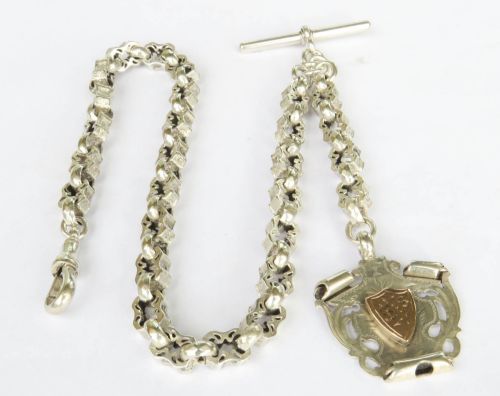
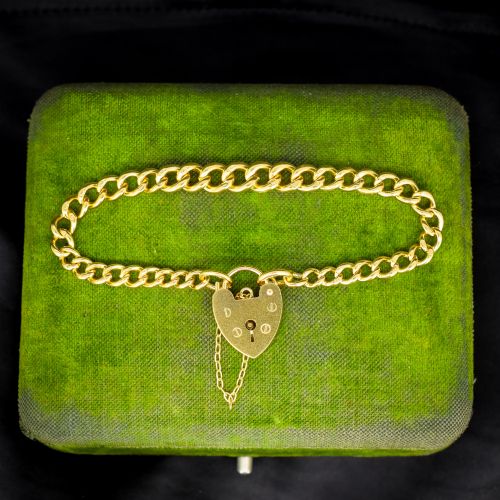
Victorian silver jewellery spans personal adornments like hinged bangles, long guard chain necklaces, girandole chandelier earrings, and heavy pocket watch albert chains fitted with dog clips and T-bars. Alongside these wearable pieces, the category extends to solid silver trinket boxes, dressing cases, and heart-shaped vanity containers.
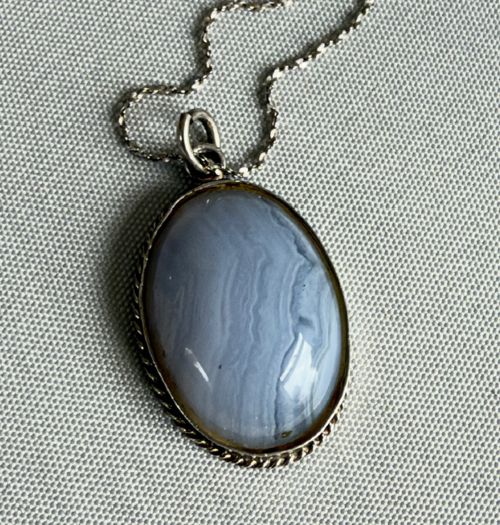
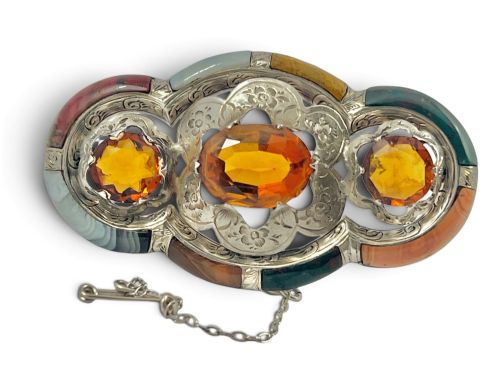
The objects derive from periods spanning the Victorian era through the Edwardian years up to the 1930s, incorporating regional expressions such as Victorian Scottish Revival designs set with agate and citrine pebbles. Buyers frequently encounter curb link bracelets, floral bangles, and paste-set pendants alongside functional silver containers designed for vanity tables.
How They Were Made
Maker utilise sterling silver and silver gilt, shaping metal through filigree wirework, hinge construction, and flat curb or trombone link assembly. Items incorporate secure closures including screw-lock clips, dog clips, and fitted box lids.
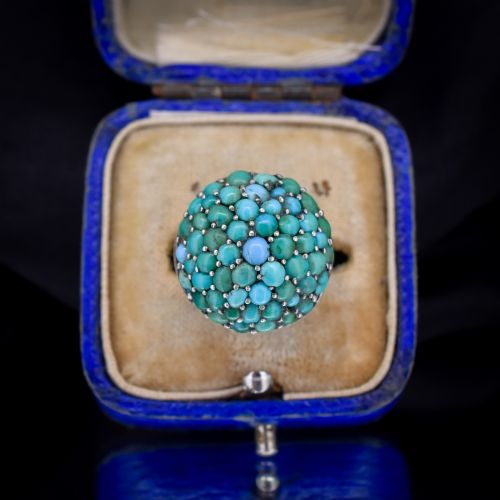
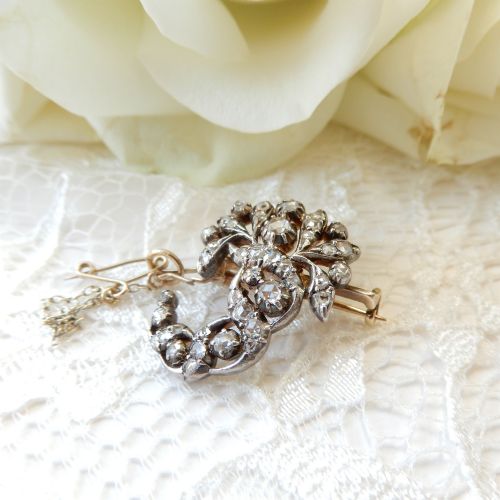
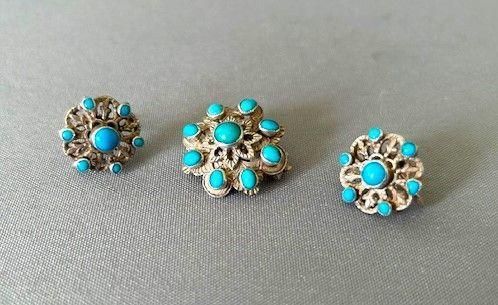
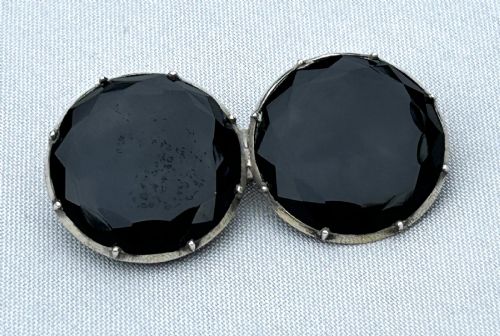
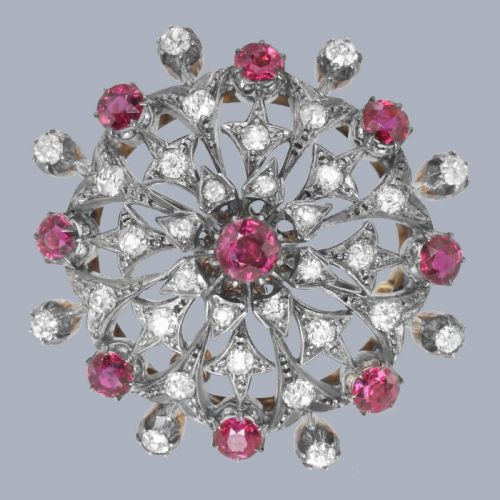
Pieces combine silver with diverse materials like old-cut paste, glass, diamond, amethyst, enamel, niello, and gold inlay. Scottish Revival items integrate local hardstones such as Montrose agate and pebble varieties into floral or regional motifs.
Victorian Silver Jewelry Retail Price Guide 2026
Typical asking prices for victorian silver jewelry among the pieces listed under this phrase on Sellingantiques today, from the lower quarter to the upper quarter. They describe what is for sale here now, not the wider market.
Listings feature sterling silver, gold, glass, paste, agate, enamel, and velvet across periods spanning the Victorian era to the 1930s.
What Varies in Quality
Quality depends on the crispness of chased floral and foliate relief work, the structural integrity of hinged cuffs and vanity boxes, and the precision of silver gilt application. Superior examples maintain intact stone settings, whether old-cut paste, diamond, or polished agate.
Execution shows in the weight and heft of solid silver components, from heavy pocket watch chains to large dressing cases and cigarette table boxes. Refinement rests on the intricacy of wire filigree work and the clarity of hallmarks.
H H Curtis
The Victorian Silver Jewelry Glossary
- Dog clip
- A spring-loaded swivel fastening commonly found on watch chains and bracelets for securing pendants or fobs. This mechanism allows the attached item to rotate freely without twisting the chain.
- T-bar
- A transverse metal bar attached to the centre of a pocket watch chain, designed to anchor through a waistcoat buttonhole. It remains a defining feature of nineteenth-century watch chains.
- Filigree
- Delicate openwork ornamentation formed from fine twisted silver threads soldered together into intricate patterns. This technique appears on decorative earrings and clasps.
- Niello
- A black metallic alloy used as an inlay on engraved silver surfaces to highlight contrasting geometric or floral designs. It creates a striking dark backdrop against polished metal.
- Albert chain
- A heavy pocket watch chain named after Prince Albert, worn across the chest or secured to a garment. Double versions feature two strands meeting at a central pocket watch.
Victorian Silver Jewelry: Frequently Asked Questions
What is a watch chain used for?
Pocket watch chains secured timepieces inside pockets while displaying decorative fobs, darts, or vesta cases. They attached securely using dog clips and anchored via a T-bar.
Today these substantial chains function effectively as long guard necklaces or multi-wrap bracelets. Their sturdy link construction adapts easily to modern wearable lengths.
How do I identify Scottish Revival pieces?
Scottish Revival pieces feature characteristic local agates, jaspers, and pebbles mounted in silver brooches or positional jewellery. Designs often incorporate regional motifs like swords, thistles, and named inscriptions.
Originating largely in the nineteenth century, these items reflect romantic revivals popularised during the period. Their distinctive stonework sets them apart from standard floral motifs.
What are trinket and vanity boxes used for?
Trinket boxes and vanity pots provided secure storage for small personal valuables, rings, and dressing table accessories. Interiors frequently featured velvet linings to protect delicate items.
These solid silver containers served practical domestic roles while doubling as decorative dressing table displays. They survive in various scales from small heart-shaped boxes to large fitted travel cases.
How are different chain links styled?
Chains utilise varied link geometries including flat curb, trombone, and love knot configurations. Each style changes the drape and weight of the necklace or bracelet.
Link variations allowed makers to create robust functional chains alongside lighter ornamental pieces. These construction styles remain key indicators of period manufacturing techniques.