







Victorian Silver Items
These Victorian silver items are small desk pieces, sewing tools, and novelty pin cushions crafted in sterling silver.
Victorian Silver Items
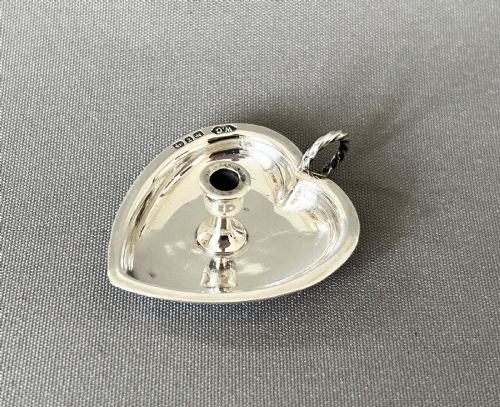
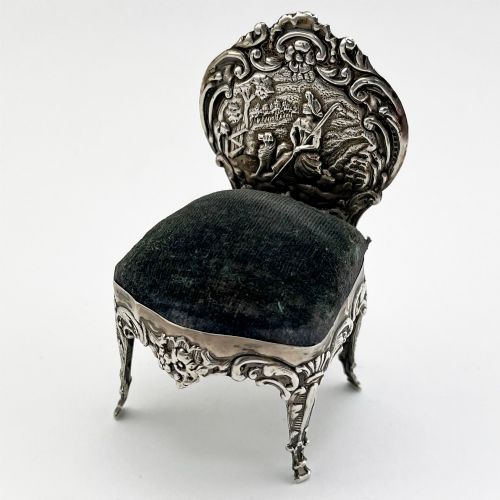
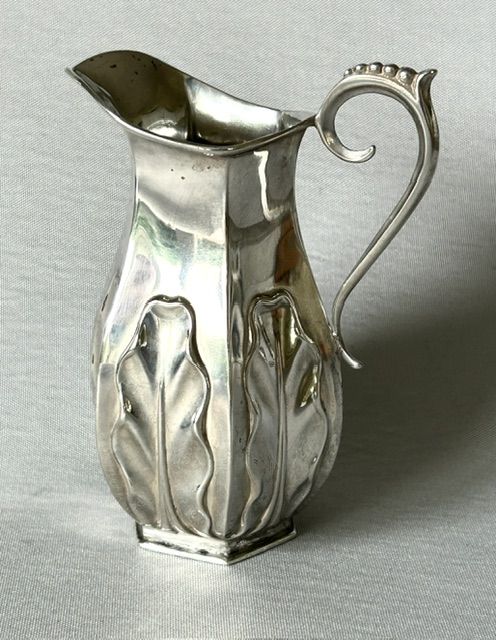
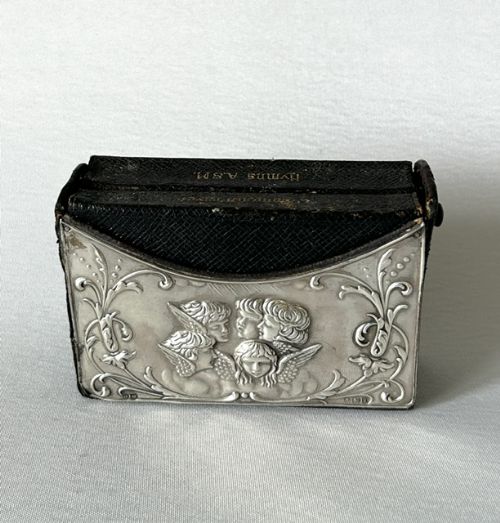
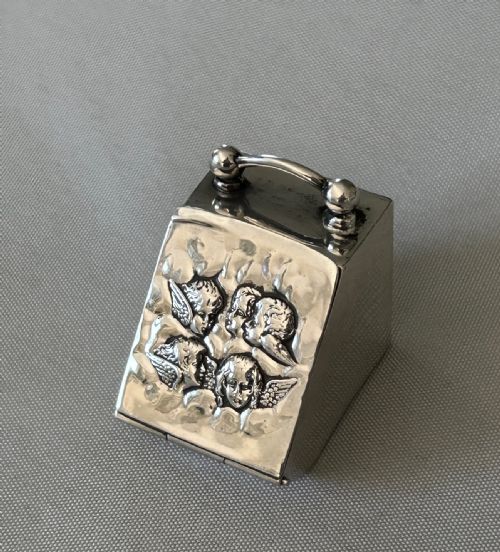
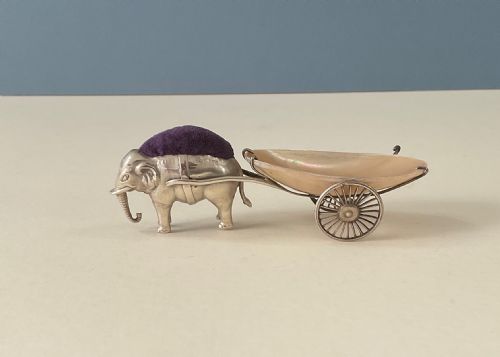
Victorian silver items encompass a diverse range of functional and novelty objects produced during the nineteenth and early twentieth centuries. When searching for victorian silver items, buyers encounter smaller domestic pieces such as cream jugs, vesta cases, page turners, and pin cushions. The selection includes novelty forms shaped like chairs, teapots, animals, and coal scuttles alongside desk accessories and devotional objects.
Most pieces date from the Victorian and Edwardian periods, stretching into the early decades of the twentieth century. Forms span from utilitarian cream jugs and letter openers to whimsical sewing accessories and baby rattles. Materials combined with the silver include velvet, leather, shell, silk, paper, and steel.
How they were made
Makers utilised solid sterling silver for the primary structures of these objects, often incorporating hallmarks from assay offices such as Birmingham and London. Techniques involved casting, chasing, and engraving to render detailed novelty shapes like boars, greyhounds, and winged creatures.
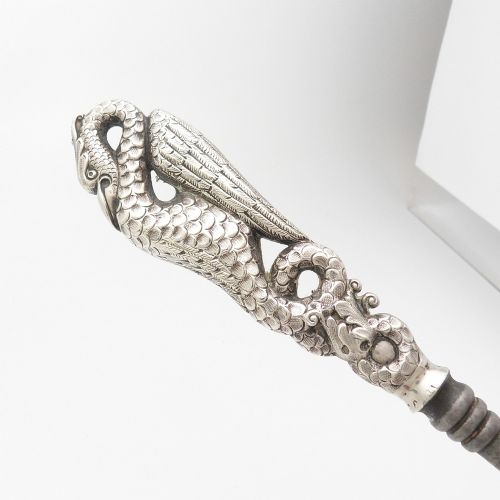
Many items integrate contrasting tactile materials alongside the metal work. Velvet and silk line interiors of pin cushions and thimble cases, while paper, leather, and steel appear in page turners, devotional books, and button hooks.
Victorian Silver Items Retail Price Guide 2026
Typical asking prices for victorian silver items among the pieces listed under this phrase on Sellingantiques today, from the lower quarter to the upper quarter. They describe what is for sale here now, not the wider market.
Listings feature sterling silver combined with velvet, silk, leather, shell, steel, and paper across Victorian and Edwardian periods.
What varies in quality
Quality in victorian silver items rests upon the crispness of the casting and the imaginative execution of novelty forms. Pieces shaped as specific animals, furniture, or household objects show greater skill when the proportion and surface detail remain sharp.
The integration of secondary materials like velvet, leather, and shell also dictates the standard of manufacture. Well-preserved textiles and secure mounts indicate higher original craftsmanship and careful survival.
John Rawlings·George Unite
The Victorian Silver Items Glossary
- Sterling silver
- An alloy containing ninety-two point five percent silver by mass, with the remainder consisting of other metals like copper. This standard composition is stamped with hallmarks on British items.
- Vesta case
- A small portable box designed to hold matches, typically fitted with a striking strip on the base. Many Victorian examples feature novelty animal or figural designs.
- Page turner
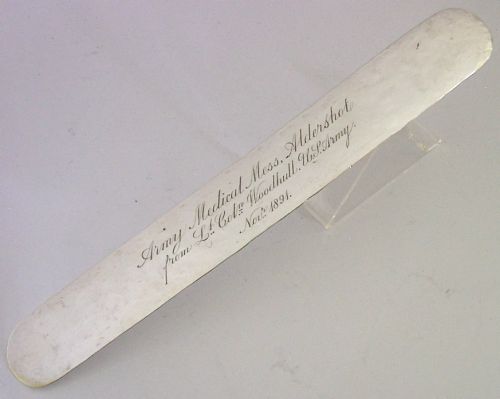
- A desk accessory with a long flat blade, often mounted with a silver handle. These implements were used to separate uncut pages in books and periodicals.
- Pin cushion
- A small stuffed object used to hold pins during sewing, frequently manufactured in novel forms during the Victorian era. Velvet and silk commonly form the padded sections.
Victorian Silver Items: Frequently Asked Questions
What are victorian silver items?
These pieces comprise small silver domestic objects, desk accessories, and novelty items produced during the nineteenth and early twentieth centuries. They range from practical cream jugs to decorative pin cushions and vesta cases.
Items often incorporate materials like velvet, leather, and steel alongside solid sterling silver. Many examples take whimsical forms shaped like animals, furniture, and household tools.
How were these silver items used?
Objects served various domestic, writing, and sewing functions in the Victorian household. Cream jugs poured milk at the table, while vesta cases held matches for lighting fires or cigars.
Other items like page turners and letter openers assisted with correspondence and reading. Sewing accessories such as pin cushions, button hooks, and cotton reel holders aided needlework.
How do I date victorian silver items?
Dating relies upon hallmarks stamped into the silver, which indicate the assay office, standard, and year of manufacture. Specific towns like Birmingham and London recorded production years through designated date letters.
Stylistic cues also help determine the period between the Victorian era and the Edwardian years. Novelty designs and associated materials frequently reflect the aesthetic preferences of their decade of origin.
How should I care for silver pin cushions?
Preserving these pieces requires gentle cleaning of the silver elements without damaging any original fabric components. Soft cloths remove tarnish from sterling silver surfaces while protecting delicate velvet or silk.
Keeping items away from moisture prevents deterioration of internal stuffings and secondary materials like paper and leather. Proper display maintains the structural integrity of hinged lids and novelty mounts.