


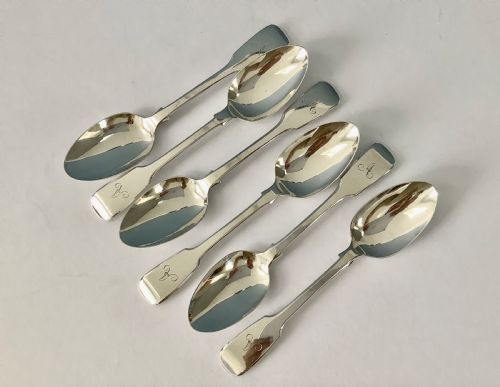

Victorian Silver Fiddle Spoons
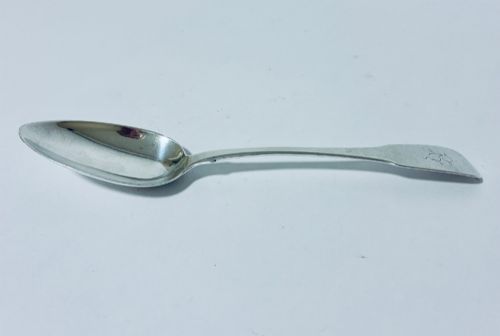
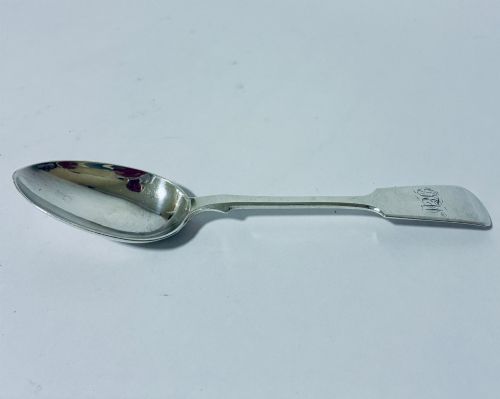
Victorian silver fiddle spoons offer the heavy gauge and distinct shoulder shape that define nineteenth-century dining tables.
Victorian Silver Fiddle Spoons
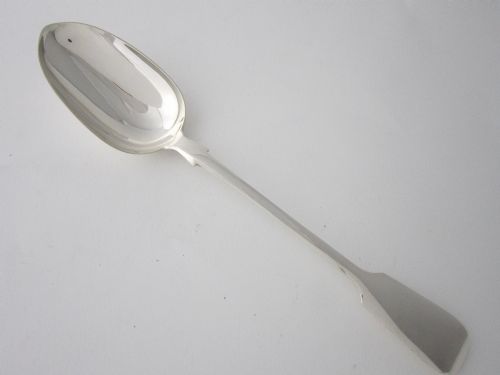
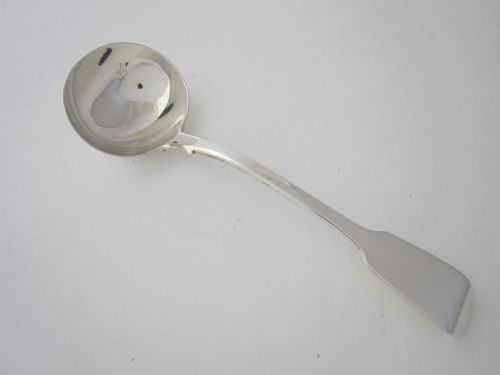
Victorian silver fiddle spoons are nineteenth-century flatware items characterised by the distinctive fiddle-shaped stem, which widens sharply near the terminal. Buyers searching this phrase will find single serving spoons, condiment ladles, and matched sets intended for formal dining.
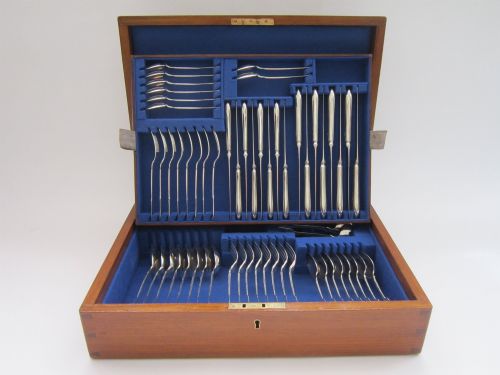
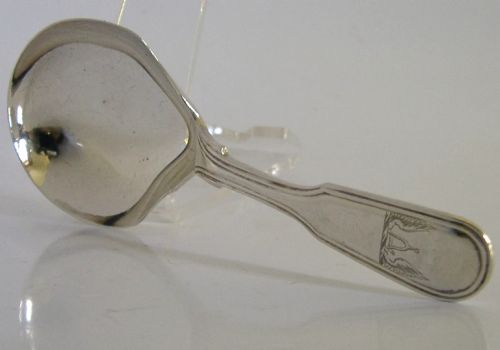
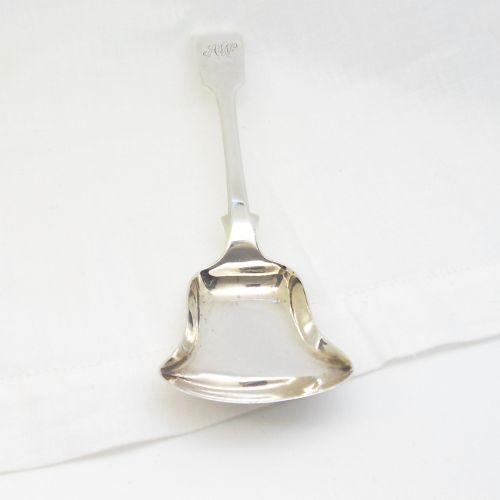
The pieces on this page span the Victorian era, including specific dates from the mid-nineteenth century. Alongside standard table flatware, the selections encompass specialised variants such as mustard spoons, sugar shovels, and complete canteens for multiple persons.
Origin points vary between London and provincial centres, with regional assay offices represented among the listings. This mix of metropolitan and provincial pieces provides a comprehensive overview of nineteenth-century silversmithing output.
Materials and construction
These items are constructed from solid sterling silver, worked to withstand daily use while maintaining the balanced weight characteristic of the pattern. Certain canteens also incorporate fitted storage components made of mahogany and lined with felt.
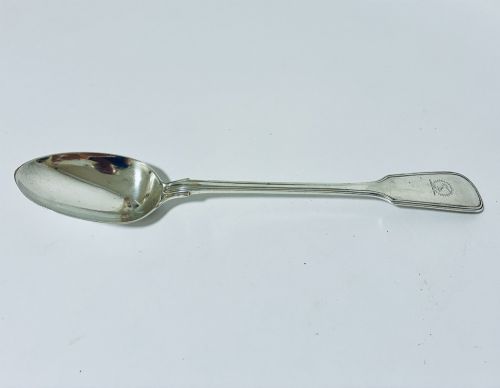
Makers shaped the silver using traditional hammering and pressing techniques before applying hallmarks to designate the assay office, standard, and date. Pattern variations like thread or shell motifs were hand-finished or die-stamped onto the basic fiddle blank.
Victorian Silver Fiddle Spoons Retail Price Guide 2026
Typical asking prices for victorian silver fiddle spoons among the pieces listed under this phrase on Sellingantiques today, from the lower quarter to the upper quarter. They describe what is for sale here now, not the wider market.
Some nineteenth-century mustard spoons were built with tiny bowls specifically sized to navigate stoneware pots without touching the sides.
Assessing quality
Quality in these items rests upon the crispness of the fiddle shoulders and the retention of original bowl depth against wear. Thicker gauge silver ensures the stem resists bending during service.
The legibility of the hallmarks and the precision of any secondary decorative motifs, such as thread borders or shell drops, separate standard utility pieces from finer provincial or maker-marked examples.
John Walton·Chawner And Co
The Victorian Silver Fiddle Spoons Glossary
- Fiddle pattern
- A nineteenth-century flatware design featuring a stem that resembles a violin shape, with shoulders above the stem and a squared terminal. This style dominated British dining tables during the Victorian period.
- Sterling silver
- The silver alloy standard of purity, containing ninety-two point five percent silver by weight. British items meeting this standard carry the lion passant hallmark.
- Assay office
- An official body responsible for testing the purity of precious metals and stamping them with hallmarks. Provincial offices outside London include Exeter and Newcastle.
- Basting spoon
- A large serving implement designed for spooning juices over meat during roasting or service. These items represent the largest scale of fiddle pattern flatware.
- Condiment spoon
- A small spoon intended for mustard, salt, or other table condiments. These pieces often feature specialised bowl shapes suited to specific jars.
Victorian Silver Fiddle Spoons: Frequently Asked Questions
How do I clean Victorian silver fiddle spoons?
Use a soft microfibre cloth and a dedicated silver polish designed to remove tarnish without abrading the metal surface. Avoid harsh chemical dips that strip the natural patina accumulated over the nineteenth century.
Store the items in dry conditions, ideally within felt-lined mahogany boxes or anti-tarnish rolls, to minimise exposure to airborne sulphur that causes discoloration.
Are these spoons suitable for daily use?
Solid sterling silver from the Victorian period possesses a sturdy gauge designed for active service. Regular handling actually maintains a pleasant shine across the high points of the fiddle stem.
Hand wash the flatware promptly after use rather than placing them in an automated dishwasher, which can damage older metals and wooden storage chests.
What is the difference between provincial and London silver?
Provincial silver was assayed in regional cities such as Exeter or Newcastle rather than the capital. These pieces often appeal to collectors seeking regional variations in smithing style and local hallmarks.
London items generally followed strict metropolitan fashion, whereas provincial output sometimes displayed distinct local characteristics or lesser-known maker marks.