







Victorian Silver Column Lamp
A victorian silver column lamp brings classical proportion and reflective weight to a room, offering a sturdy architectural presence that standard domestic lighting lacks.
Victorian Silver Column Lamp
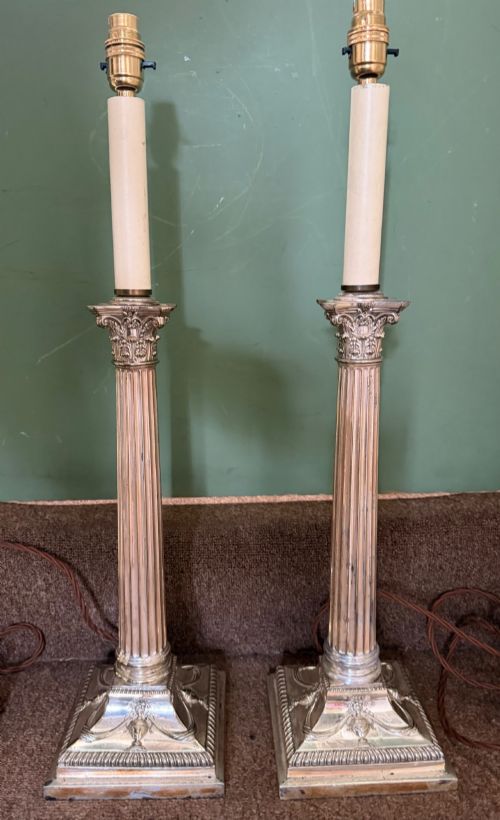
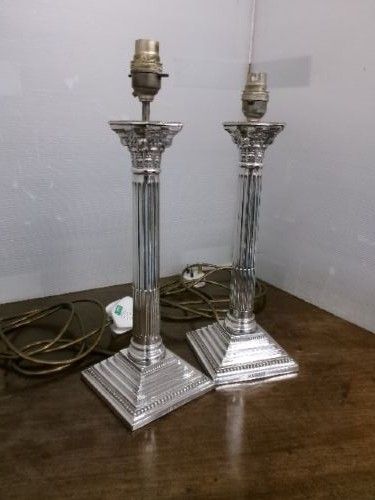
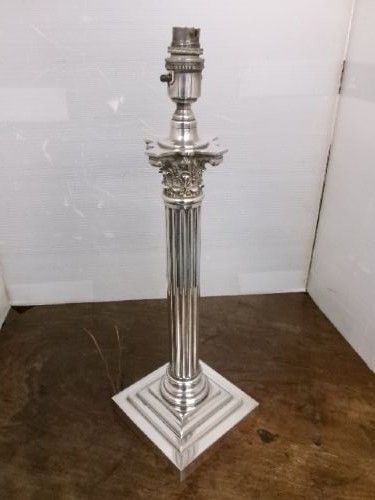
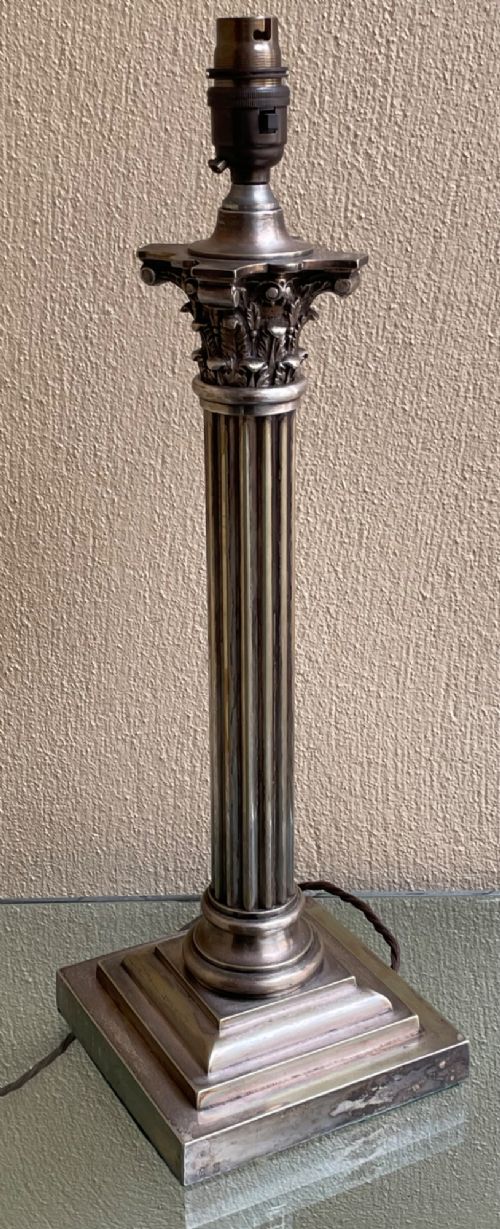
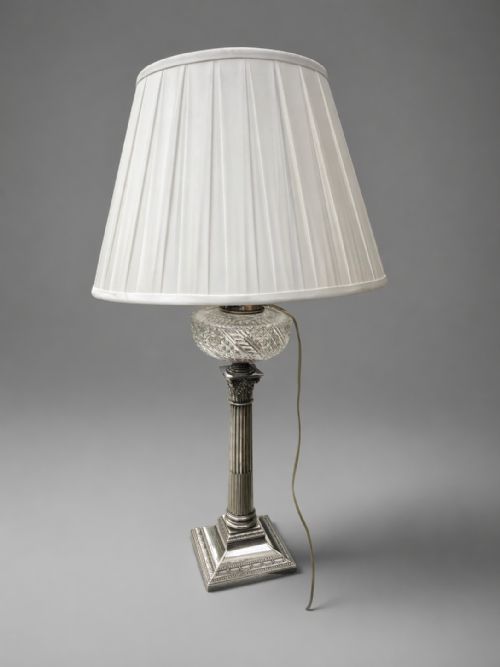
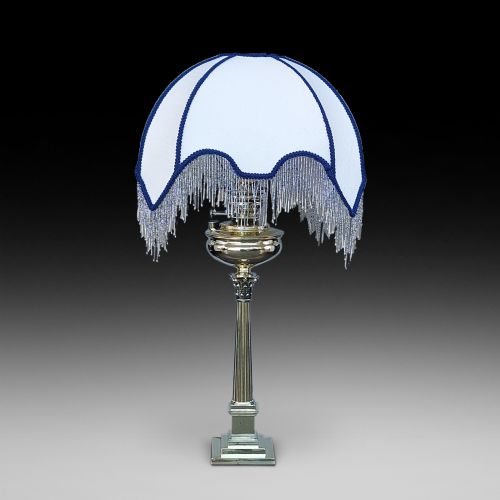
A victorian silver column lamp draws on classical architecture, most frequently adopting the Corinthian order with its characteristic acanthus leaf capitals, or occasionally the simpler Doric form.
The dominant version on this page is the silver plated table lamp, often adapted from nineteenth century oil burners to take modern electrical fittings.
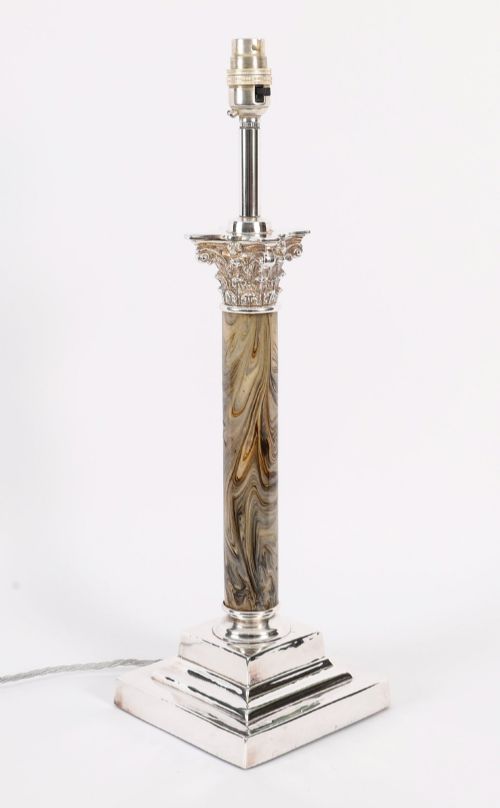
These pieces arrive in various heights, from compact desk pieces to large floor or heavy table examples, occasionally incorporating stepped square bases or lion's paw feet.
Materials and construction methods
Makers formed the structural shafts from brass or base metal before applying a layer of silver plating through early electroplating methods or older Sheffield plating techniques.
Certain examples integrate contrasting materials into the design, combining the metallic columns with heavy stone plinths such as onyx or mounting glass oil reservoirs beneath the burner assembly.
Victorian Silver Column Lamp Retail Price Guide 2026
Typical asking prices for victorian silver column lamp among the pieces listed under this phrase on Sellingantiques today, from the lower quarter to the upper quarter. They describe what is for sale here now, not the wider market.
Listings demonstrate that silver plate over brass is the predominant material combination, complemented by occasional examples featuring onyx bases.
Distinctions in quality and execution
Superior examples display crisp casting work on the capital details and acanthus leaves, whereas lesser pieces exhibit softened edges and shallow relief from worn moulds.
The thickness and durability of the original silver plate determine longevity, as heavy handling and cleaning over decades wear down thin plating to expose the base brass underneath.
Goldsmiths And Silversmiths Company·Harrison Brothers And Howson·Palmer And Co
The Victorian Silver Column Lamp Glossary
- Corinthian column
- An architectural column order defined by an ornate capital decorated with carved acanthus leaves and scrolls. This design forms the primary aesthetic for the majority of these lamps.
- Silver plate
- A thin layer of silver bonded to a base metal core such as brass or copper. This method provided the visual weight of solid silver at a fraction of the cost.
- Duplex burner
- A double wick mechanism common on nineteenth century oil lamps. Many surviving table lamps retain this brass burner housing even after conversion to electricity.
- PAT testing
- Portable appliance testing for electrical safety. Rewired antique lamps undergo this process to verify that the modern internal wiring meets current standards.
- Doric column
- A sturdy, unadorned classical column style with a plain capital. These appear less frequently than Corinthian alternatives in the available selection.
Victorian Silver Column Lamp: Frequently Asked Questions
Are these lamps still suitable for daily use?
Most examples arrive converted for electricity and tested for safety, making them practical for regular domestic illumination.
Their substantial weight and sturdy metal construction ensure they remain stable on side tables and desks.
How do I identify the period of a column lamp?
Dating relies on examining the weight, the style of the base, and any manufacturer stamps or burner markings present on the metalwork.
Many pieces carry specific stylistic markers pointing to the nineteenth century, though conversion work often incorporates modern wiring.
Did these start as oil lamps?
A large proportion of these pieces began life as paraffin or oil burning lamps before later conversion to electric power.
Traces of this heritage remain visible in the burner galleries and collar fittings mounted at the top of the metal shaft.
How should I clean the silver plate?
Gentle maintenance with a non abrasive silver cloth prevents damage to the delicate plated surface over years of handling.
Harsh chemical dips strip away the remaining silver layer and should be avoided entirely on antique metalwork.