



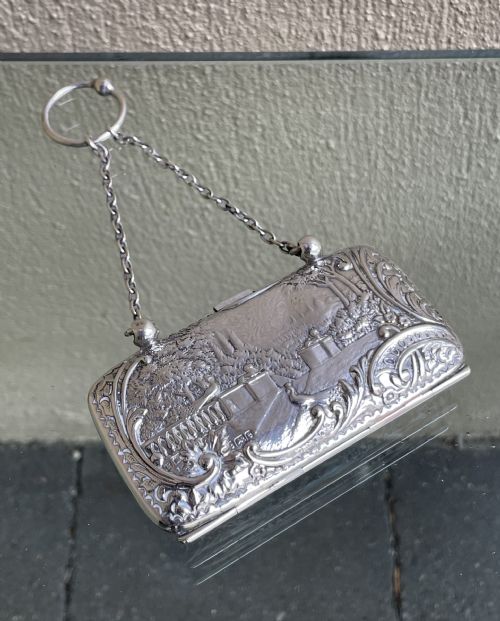


Victorian Silver Coin Purse
These Victorian silver coin purse items are pocket accessories and evening bags forged in sterling silver, silk, leather, and textile.
Victorian Silver Coin Purse
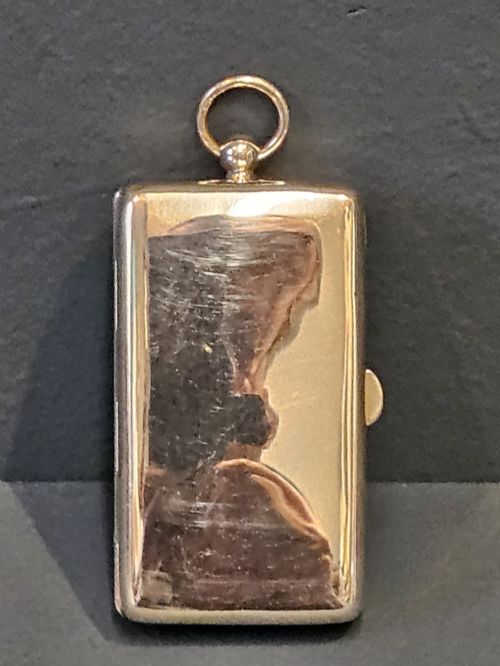
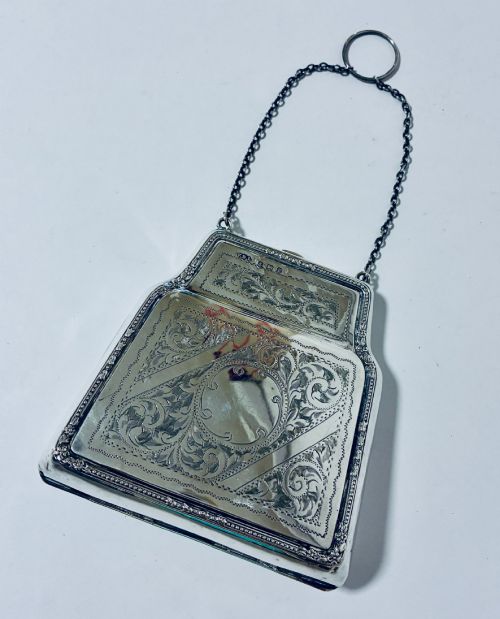
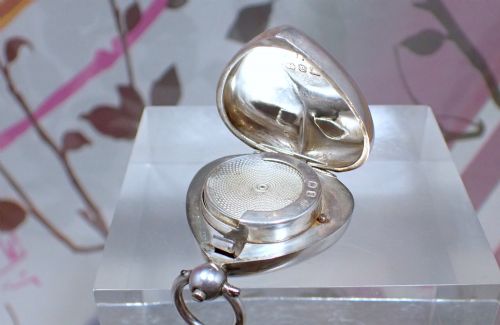
A Victorian silver coin purse is a compact accessory designed for carrying currency, sovereign coins, or small personal items during the nineteenth and early twentieth centuries. These pieces encompass sovereign cases, double sovereign and bank note cases, evening bags, and heart-shaped holders created across the Victorian, Edwardian, and George V eras.
The buyer on this page is most likely to meet sterling silver sovereign cases, small purses mounted in silver, and evening purses featuring textile, silk, or petit point panels. Origins stretch from British workshops in London and Birmingham to continental makers, including French silver gilt examples housed in their original boxes.
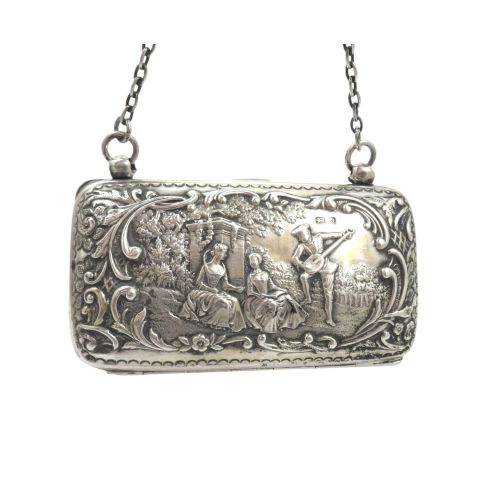
Formations range from simple polished silver holders to complex double-part detachable purses and intricately decorated items bearing scenes such as The Music Lesson. Materials extend beyond solid metal to incorporate velvet, leather, and silk linings that reflect the social habits and dress codes of the period.
How they were made
Construction relies heavily on sterling silver and silver gilt mounts that frame pliable materials like leather, silk, velvet, and textile. Metal components are shaped through stamping, casting, and polishing, whilst fabric elements require careful stitching and mounting into rigid metal frames.
Specialised techniques include petit point embroidery for intricate exterior panels and precision engineering for spring-loaded sovereign holders and detachable two-part mechanisms. Hallmarks stamped directly into the silver provide official records of assay offices, dates, and maker marks such as those associated with Wright & Davies or Ludwig Krumm.
Victorian Silver Coin Purse Retail Price Guide 2026
Typical asking prices for victorian silver coin purse among the pieces listed under this phrase on Sellingantiques today, from the lower quarter to the upper quarter. They describe what is for sale here now, not the wider market.
Some items come with their original fitted boxes, preserving a tiny fragment of nineteenth-century retail history.
What varies in quality
Quality in a Victorian silver coin purse is distinguished by the crispness of the metal chasing, the integrity of the hinge or clasp mechanism, and the preservation of internal linings. Superior examples retain their original fitted boxes, crisp hallmark strikes, and undamaged fabric components like silk or petit point needlework.
The distinction between standard utility items and finer presentation pieces rests on the complexity of the design, such as figural scenes, heart shapes, or multi-compartment configurations. Maker attribution also plays a role, with documented workshops from Birmingham and London demonstrating higher standards of finishing and material selection.
Wright & Davies·Ludwig Krumm
The Victorian Silver Coin Purse Glossary
- Sterling silver
- An alloy of silver containing 92.5% by mass of silver and 7.5% by mass of other metals, usually copper. This standard composition forms the primary metal body for the majority of Victorian and Edwardian coin holders.
- Sovereign case
- A small pocket container engineered specifically to hold British gold sovereign coins securely. These cases often feature internal spring mechanisms to release coins individually.
- Petit point
- A style of needlepoint embroidery executed on fine single-mesh canvas using tent stitch. It allows for highly detailed pictorial scenes on evening purses.
- Silver gilt
- Silver that has been plated with a thin layer of gold on its surface. This technique provides the rich warmth of gold whilst utilising a silver base.
- Hallmark
- A series of official marks stamped on items made of precious metals in the United Kingdom. These marks certify the standard of purity and indicate the assay office, maker, and year of production.
Victorian Silver Coin Purse: Frequently Asked Questions
What is a sovereign case?
A sovereign case is a small, rigid pocket container created to store gold sovereign coins safely during the Victorian and Edwardian periods. They often utilise internal spring clips to keep coins firmly in place until needed.
These pieces were carried by gentlemen and ladies alike in pockets or attached to watch chains. Their precise engineering reflects the high value and daily use of gold coinage at the time.
How were evening purses used?
Evening purses served as decorative accessories for formal social events, balls, and theatre visits during the late nineteenth and early twentieth centuries. They were designed to hold small essentials such as coins, calling cards, and smelling salts.
Materials like silk, velvet, and petit point needlework matched the formal evening attire of the period. Metal frames and mounts added both structural security and ornamental elegance.
How do I date a silver purse?
Dating a silver purse relies primarily on the British hallmarks stamped into the metal framework. These marks identify the assay office, the specific year letter, and the silversmith responsible for the piece.
Stylistic indicators such as the shape, the presence of petit point panels, or the transition from Victorian ornate floral motifs to Edwardian restraint also help narrow down the period of manufacture.
What materials are used inside?
Interiors of these purses frequently feature silk linings, leather compartments, or velvet slots tailored for notes and coins. Textile elements often survive in contrasting colours to complement the exterior silver mount.
The choice of internal material depended on the intended use, with sovereign cases relying on tight metal springs and evening bags prioritising soft fabric pockets for delicate items.
Are French purses different?
French purses from the nineteenth century often utilise silver gilt and feature distinct shell forms or continental hallmarks. They frequently survive with their original fitted presentation boxes.
These continental pieces showcase alternative aesthetic traditions compared to British manufacturing, often emphasising sculptural metalwork over embroidered textile panels.