




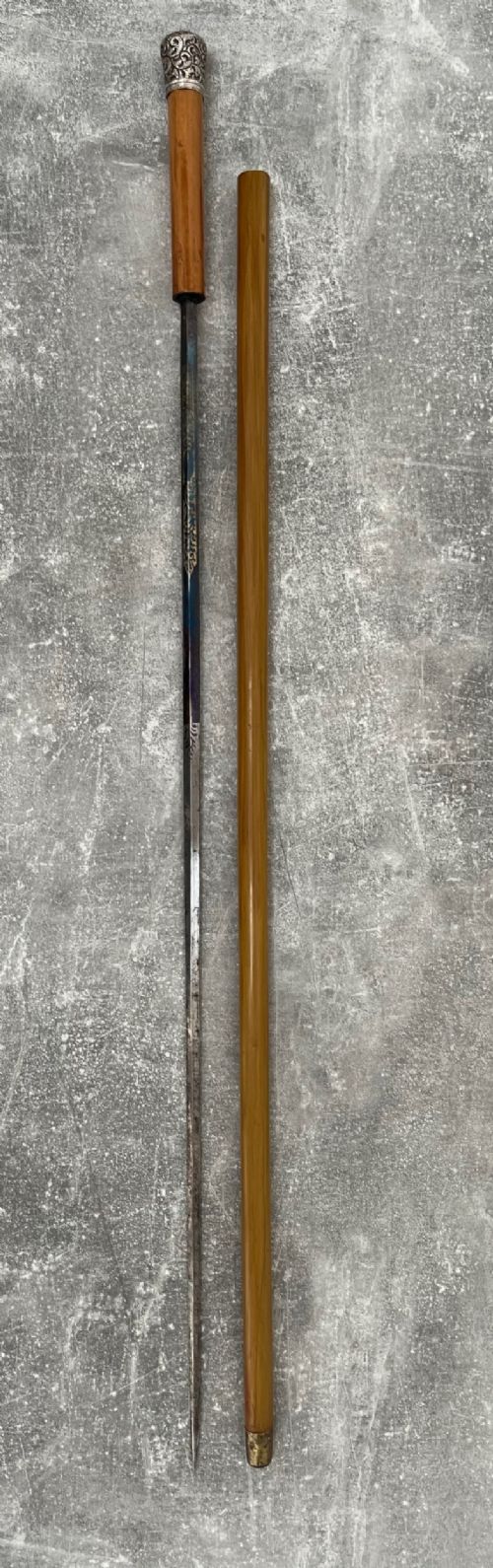
Victorian Silver Blade
These Victorian silver blade items are primarily concealed weapon walking sticks and formal cutlery, offering gentlemanly utility and period craftsmanship.
Victorian Silver Blade
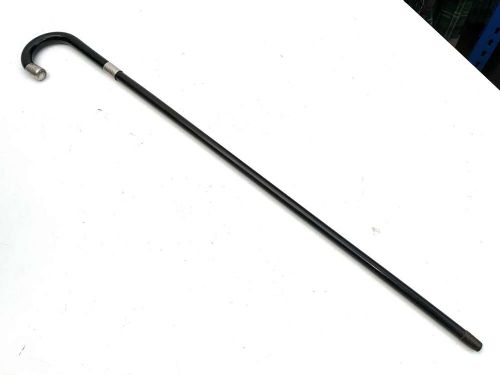
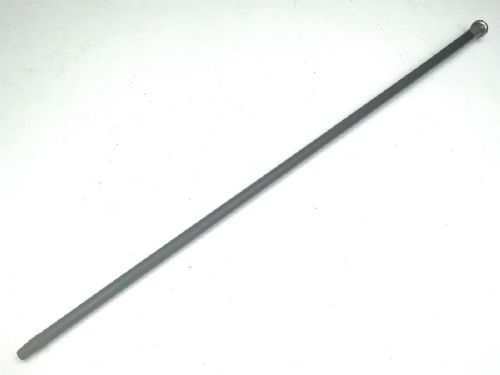
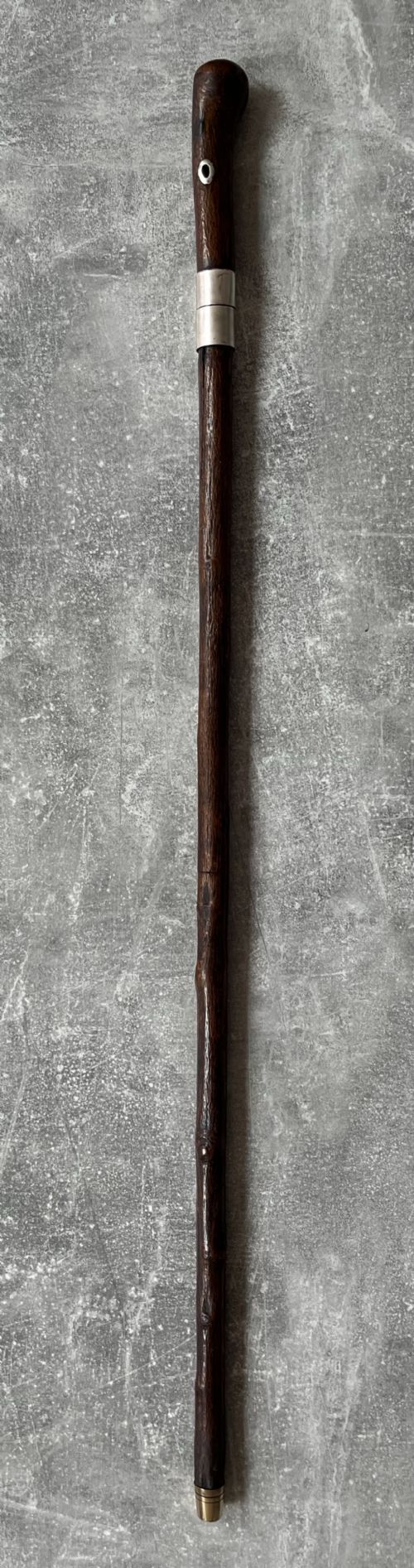
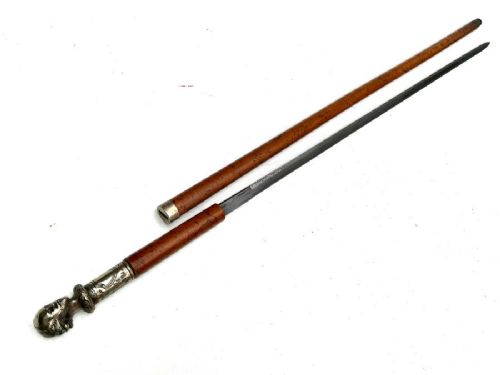
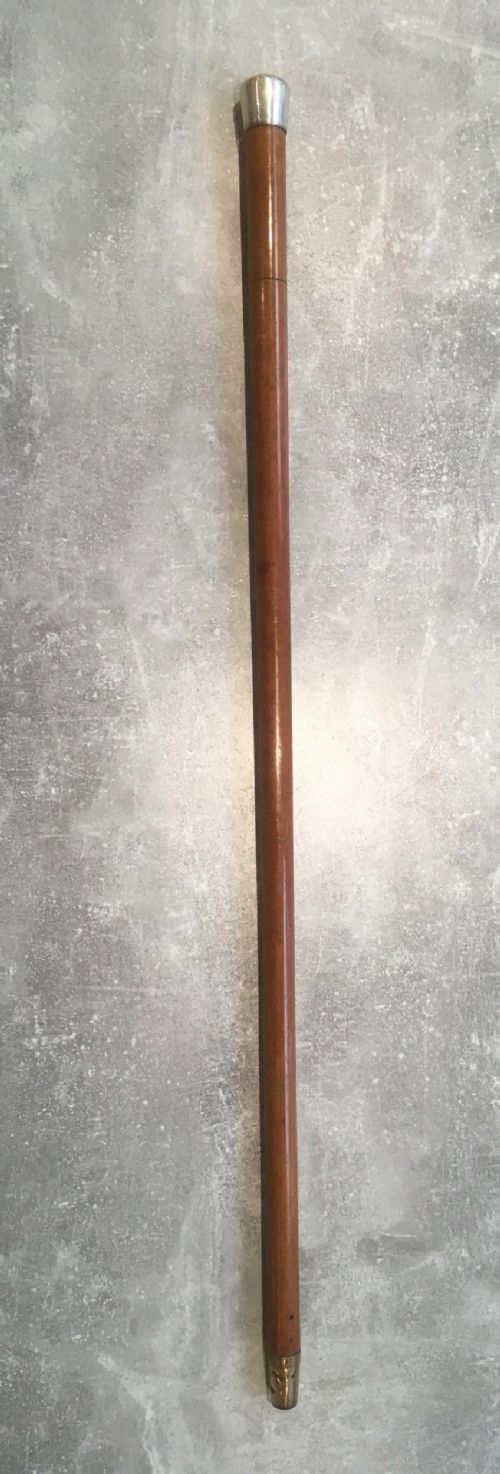
When searching for a victorian silver blade, buyers encounter a specific class of gentleman's walking stick alongside occasional silver cutlery pieces like fish servers and fruit knives. The walking sticks dominate the selections, featuring concealed blades housed within shafts of malacca, hazel wood, rosewood, chestnut, and leather-covered wood.
The majority of these pieces originate from the late nineteenth and early twentieth centuries, spanning the Victorian, Edwardian, and 1920s periods. Handles vary widely from plain silver knops and horse heads to antler, bone, and horn grips, often secured by hallmarked silver collars.
Materials and Construction
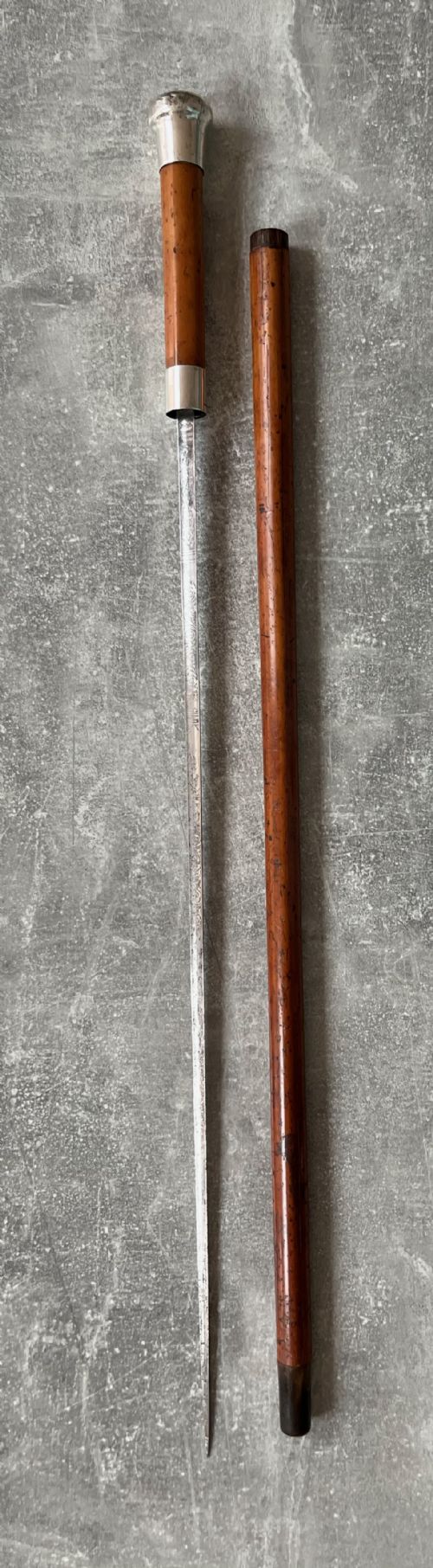
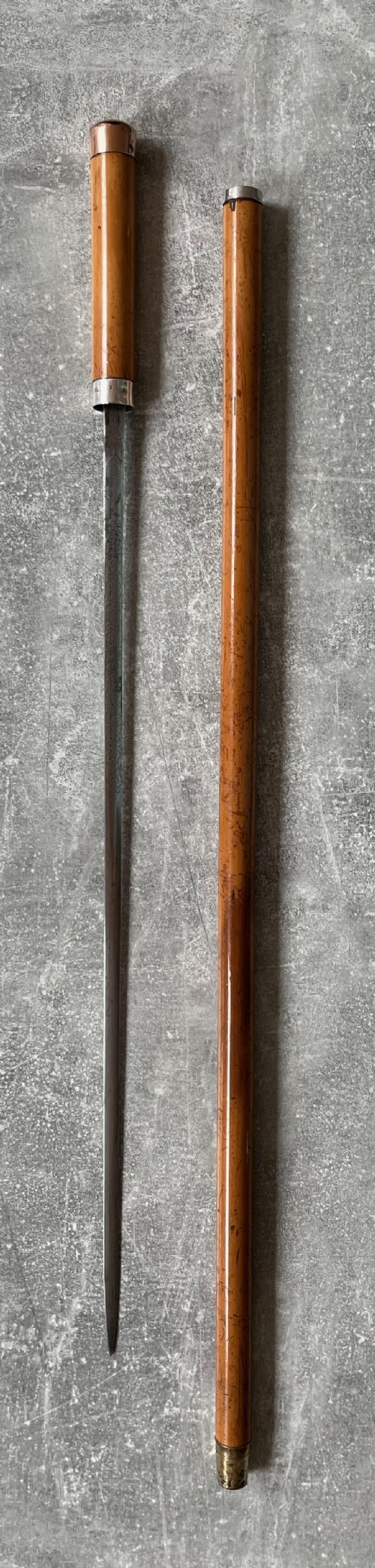
Makers paired natural hardwoods and canes such as malacca and hazel with forged steel blades, incorporating silver for collars, mounts, and decorative handles. Swords often utilised specialised steel from known makers like Wilkinson and Toledo, fitted tightly inside wooden or cane scabbards.
Mounts frequently display detailed metalwork including silver repoussé decoration, while handles utilise materials like horn, bone, and root ball wood. Joints and collars are secured to ensure the concealed blade remains firmly seated within the shaft.
Victorian Silver Blade Retail Price Guide 2026
Typical asking prices for victorian silver blade among the pieces listed under this phrase on Sellingantiques today, from the lower quarter to the upper quarter. They describe what is for sale here now, not the wider market.
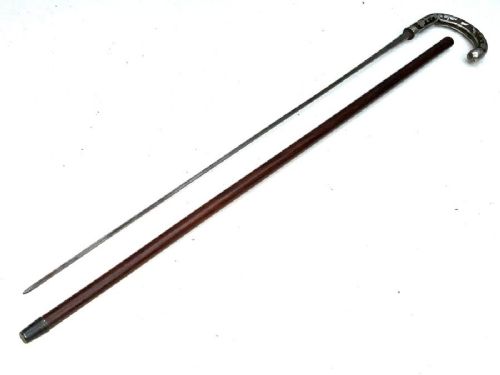
Gentlemen could conceal a blade beneath a carved silver horse head or a Masonic symbol.
Evaluating Quality
Quality rests in the pedigree of the blade and the refinement of the handle and silver mounts. Fine examples feature named maker blades from Toledo or Wilkinson paired with heavy silver repoussé collars and distinctive handles such as carved horse heads or silver knops.
The choice of shaft material also distinguishes the tier of the piece, with polished malacca and figured rosewood sitting above standard hardwoods. Precision in the fit between the stick and the concealed blade indicates superior workshop production.
Wilkinson·Brigg
The Victorian Silver Blade Glossary
- Malacca cane
- A strong, resilient stem derived from the rattan palm, traditionally favoured for walking sticks due to its mottled brown finish and durability. It forms the shaft for many sword sticks.
- Knop
- A rounded knob or handle at the top of a walking stick, frequently cast from silver or carved from bone, horn, or antler.
- Repoussé
- A metalworking technique where silver is hammered from the reverse side to create a raised decorative design in relief on collars and mounts.
- Fish servers
- A matched pair of a silver knife and fork designed for serving fish at formal Victorian dining tables.
Victorian Silver Blade: Frequently Asked Questions
What is a Victorian sword stick?
A sword stick is a walking cane that conceals a steel blade within its wooden or cane shaft. They were carried by gentlemen in the nineteenth and early twentieth centuries for personal protection and fashion.
The blade is typically released by a catch or screw mechanism in the collar, allowing the shaft to act as a scabbard.
How do I identify the date of a sword stick?
Dates are often determined by assay office hallmarks stamped on the silver collars or mounts, alongside the style of the handle and materials used. Pieces span the Victorian era through to the 1930s.
Makers' marks and engraved dates on the steel blades themselves provide precise manufacturing periods.
What materials were used for the shafts?
Shafts were constructed from natural materials including malacca cane, hazel wood, rosewood, chestnut, and ebonised wood. Some examples also feature leather coverings over a wooden core.
Malacca cane remains the most frequent material seen among these historical walking sticks.
Are the blades always marked?
Not all blades bear maker marks, but superior examples feature etched signatures from renowned sword smiths such as Wilkinson or Toledo. Plain steel blades are also common across nineteenth-century pieces.
The presence of a maker's name on the steel generally indicates a higher tier of manufacture.