


Victorian Shop Advertising
Victorian shop advertising pieces comprise trade signs, display cabinets, and figures that communicate historical commerce through durable materials.
Victorian Shop Advertising
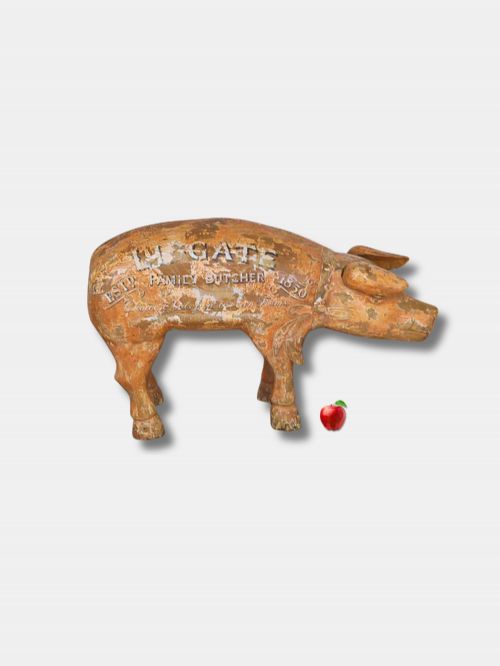
Victorian shop advertising pieces encompass trade signs, display cabinets, enamel panels, and commercial figures created to promote goods in 19th-century and early 20th-century premises. Buyers searching for Victorian shop advertising encounter trade figures, painted timber signs, and glazed cabinets bearing the names of grocers, tobacconists, and chemists.
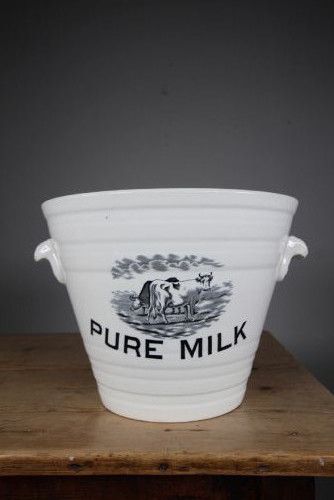
The objects on this page span from the 18th century through the Edwardian period, with a strong concentration of Victorian examples. Forms range from heavy iron dairy pails and painted wooden cart sides to mahogany table-top display cases and wall mirrors.
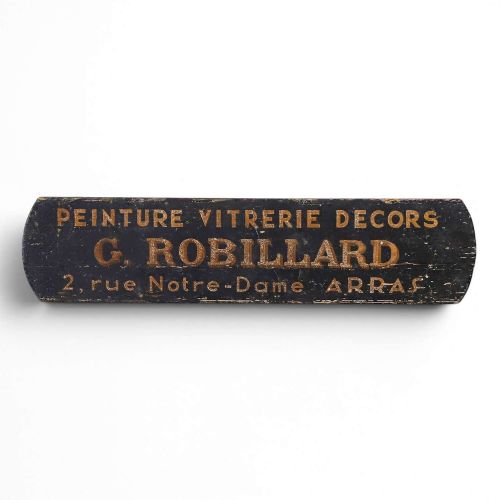
Commercial display cabinets and hand sign-written timber boards dominate the selection. These functional items served everyday retail purposes before entering the antiques market as decorative statements.
How they were made
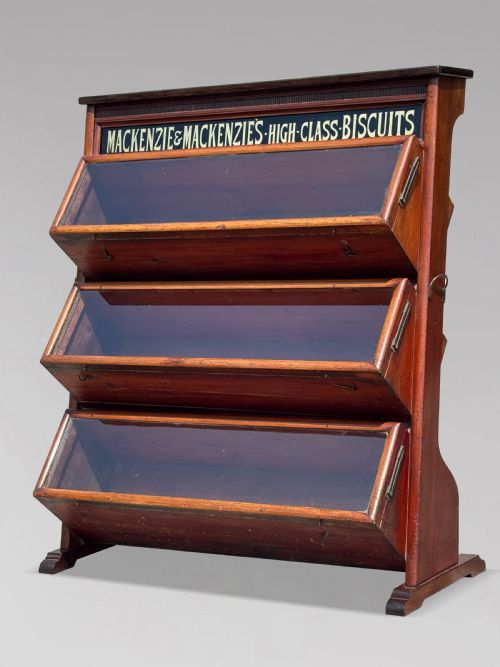
Makers utilised dense timbers such as mahogany, walnut, and oak to construct glazed display cabinets and heavy storage furniture. Glass panels and mirrors were cut, painted, or etched to display brand names and product details clearly to customers passing the shopfront.
Metal elements relied on iron, brass, and toleware, shaped into hanging signs, butcher scales, and dairy pails. Paint, gold leaf, and enamel provided the colourful lettering and imagery seen on trade signs and advertising clock faces.
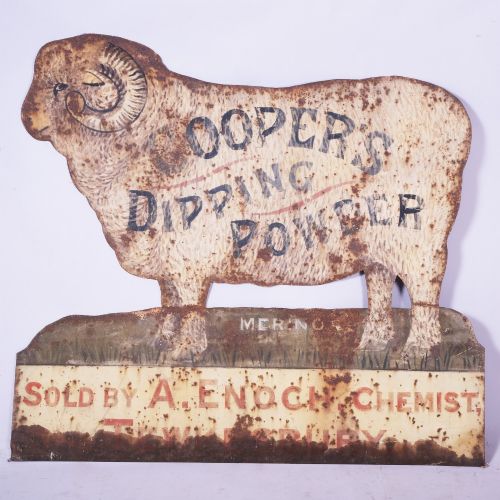
Folk art and commercial craftsmanship combined in carved wooden trade figures and hand sign-written boards. Artisans applied oil paints and protective varnishes directly onto wood, glass, and metal surfaces to withstand busy retail environments.
Listings feature 19th-century trade signs, enamel panels, and mahogany display cabinets constructed from glass, wood, iron, and brass.
What varies in quality
The integrity of original painted lettering and sign-writing dictates much of the visual merit. Pieces retaining their uncleaned, untouched historic surfaces hold greater visual weight than those with later repainting or heavy restoration.
The choice of primary timber and the complexity of joinery define the standard of display cabinets and furniture. Solid mahogany and American walnut joinery with original glazed doors represent higher workshop standards than simpler pine alternatives.
The Victorian Shop Advertising Glossary
- Trade sign
- A board, figure, or object hung outside or inside a shop to indicate the merchant's trade. These ranged from carved tobacco figures to painted wooden boards.
- Toleware
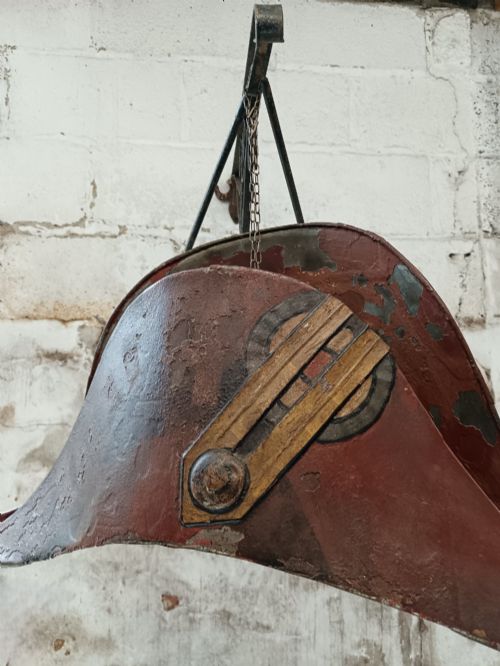
- Lacquered or enamelled metalware, typically iron, used for decorative and functional objects such as bicorn hat trade signs. This technique provided a durable finish for items exposed to the elements.
- Enamel sign
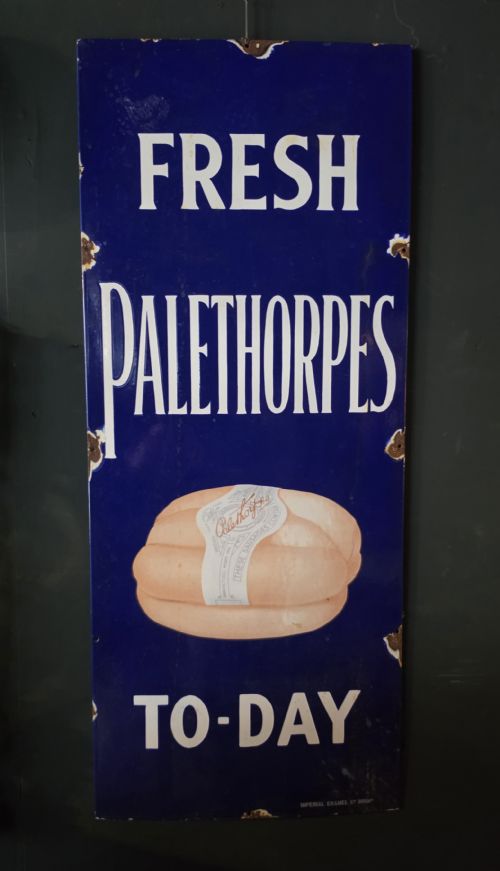
- A metal plate fused with vitreous glass powder at high temperatures to create a hard, weather-resistant surface. These signs maintained bright colours for decades on exterior shop walls.
- Trade figure
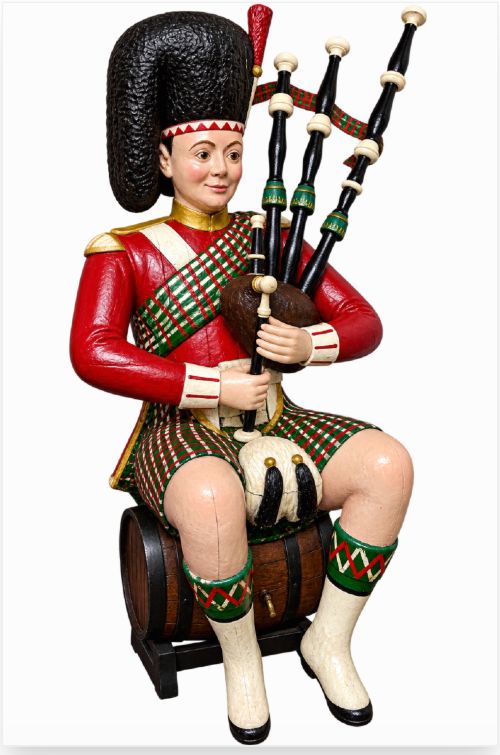
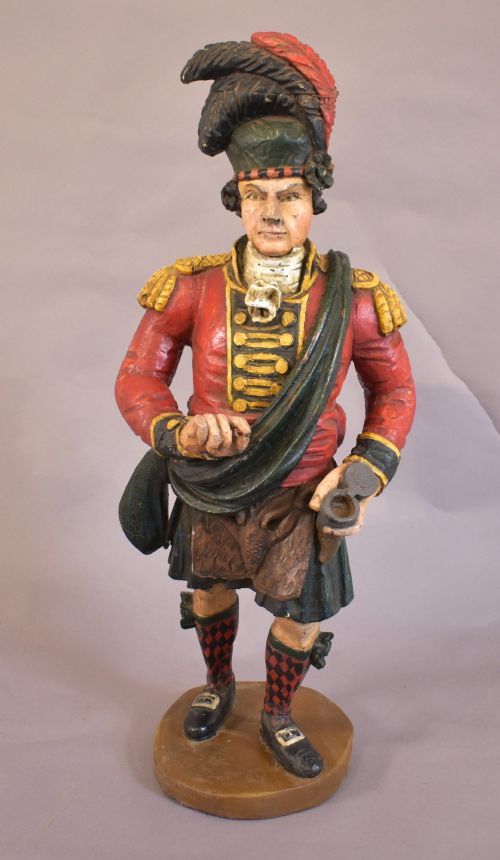
- A carved or moulded representation of a person, animal, or object used to advertise specific goods inside or outside a store. Examples include Highland pipers and tobacco figures.
- Sign-written
- Lettering and graphics applied by hand using sign-writer's paint onto wood, glass, or metal. This traditional craft formed the backbone of retail branding before mass-printed vinyl.
Victorian Shop Advertising: Frequently Asked Questions
What were trade figures used for?
Merchants placed carved figures outside or inside their shops to signal specific trades to literate and illiterate customers alike. A Highland piper or tobacco figure told passers-by what goods were sold within.
These pieces stood on pavements or counters as three-dimensional trademarks before modern illuminated signage existed.
How do I identify a display cabinet?
Shop display cabinets feature glazed doors and timber frames designed to showcase confectionery, sewing cottons, or tobacco products securely. They often include internal shelving and maker names incorporated into the woodwork or glass.
Many examples utilise mahogany or walnut, reflecting the need for durable furniture in high-traffic retail environments.
Where were enamel signs placed?
Enamel signs were mounted on exterior brickwork, railway stations, and shop facades to advertise everyday goods like starch, tea, and sausages. Their weather-resistant glass coating protected the colours from rain and sunlight.
Today, collectors hang these durable metal plates indoors as wall art reflecting commercial history.
What is sign-written furniture?
Sign-written furniture consists of standard shop fittings, cabinets, or domestic chests that received hand-painted commercial lettering for a specific merchant or agricultural merchant. This lettering identified the business owner directly on the timber surface.
Later sign-writing sometimes appears on older pieces, merging the age of the cabinet with subsequent retail use.