




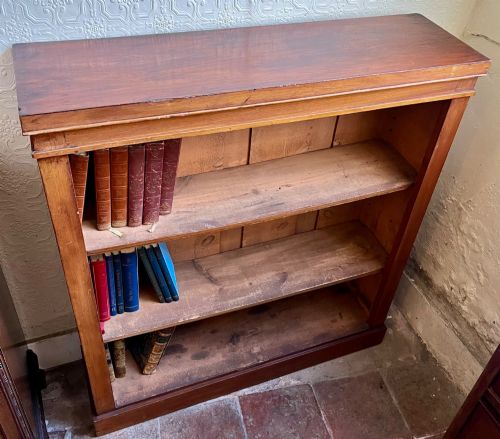
Victorian Shelving
Victorian shelving offers practical storage through rich timbers and tiered designs that anchor a room with period character.
Victorian Shelving
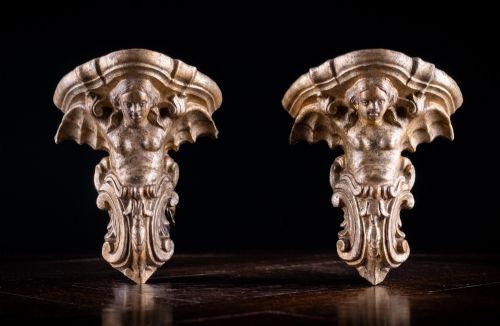
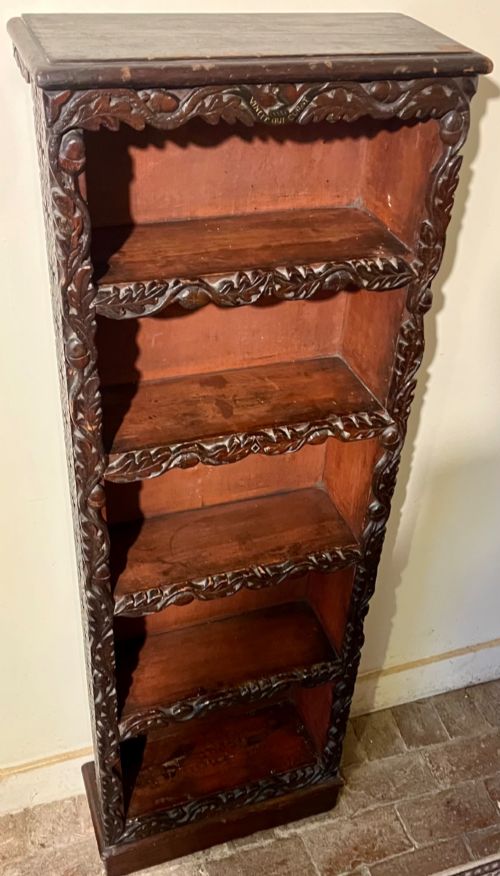
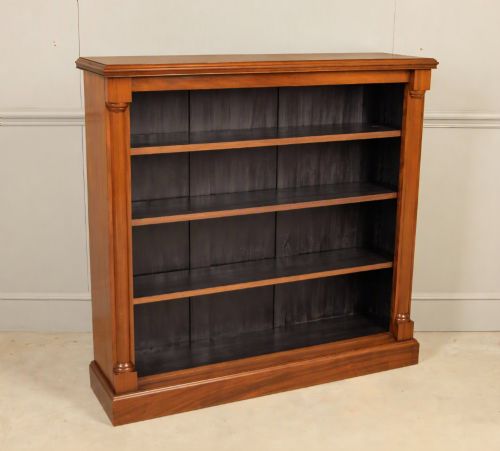
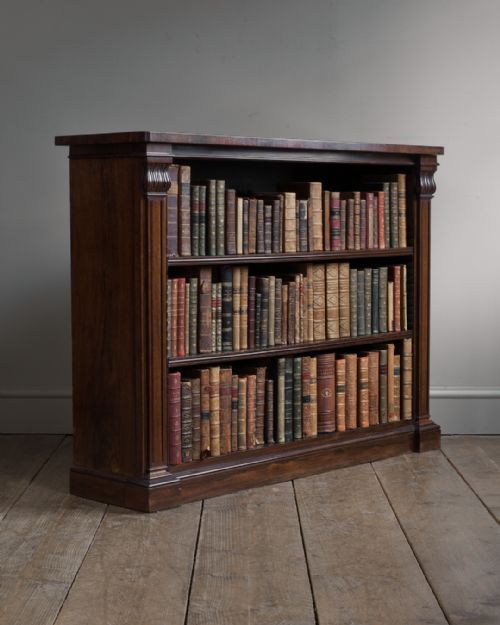
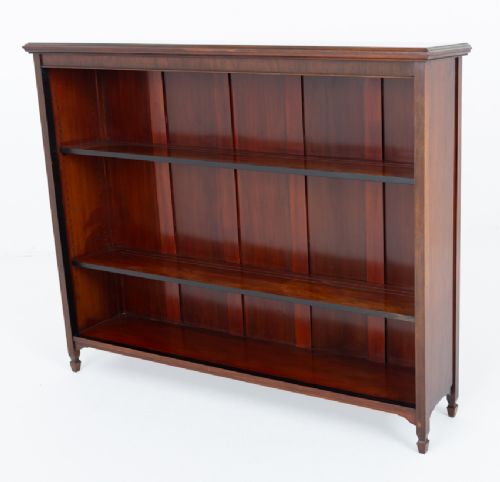
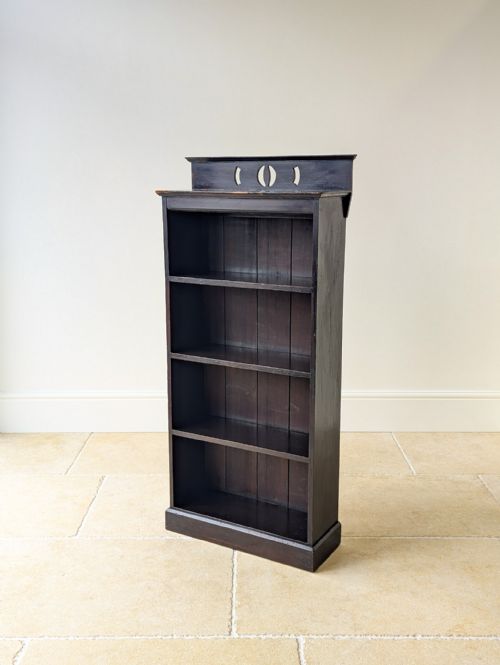
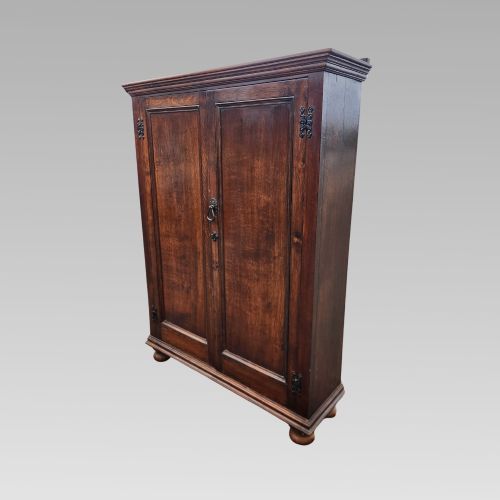
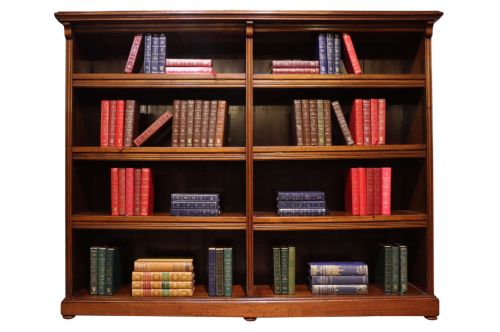
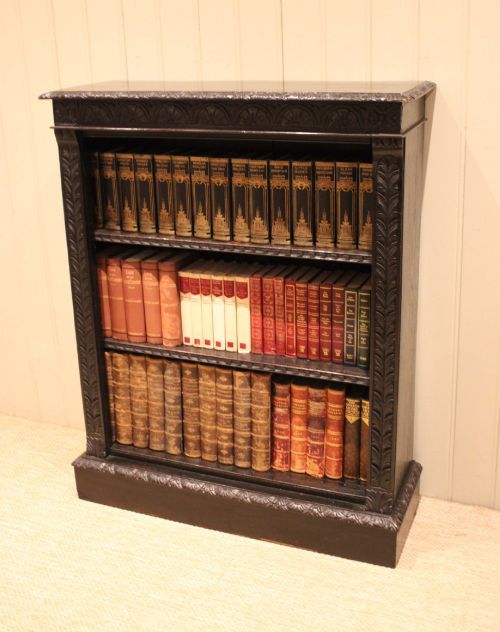
Victorian shelving encompasses open bookcases, wall hanging shelves, corner shelves, and tiered whatnots designed to organise and display books and ornaments. These pieces span the nineteenth century, including late Victorian examples alongside items from adjacent periods like the Edwardian era.
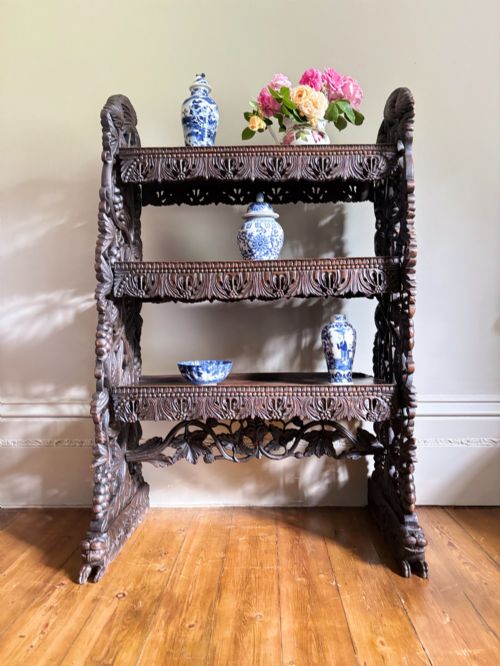
The most frequent pieces met on this page are open bookcases and multi-tiered whatnots constructed from timbers such as mahogany, walnut, and oak. Wall-mounted racks and etageres also appear, offering compact storage solutions that suit domestic spaces.
Makers and designers produced these items in various styles, including Aesthetic Movement, Chinoiserie, and Gothic influences. Buyers select them to bring traditional craftsmanship and functional display space into modern rooms.
Materials and construction methods
Cabinetmakers utilised dense hardwoods like mahogany, rosewood, burr walnut, and golden oak as the primary structural materials for these bookcases and whatnots. Brass galleries, ormolu mounts, and delicate inlays frequently provided metallic or contrasting accents to the timber frames.
Construction techniques involved solid wood working, careful jointing, and applied carvings suited to freestanding library units and wall-hanging racks alike. Adjustable shelving systems allowed interior boards to shift height to accommodate differing book sizes.
Victorian Shelving Retail Price Guide 2026
Typical asking prices for victorian shelving among the pieces listed under this phrase on Sellingantiques today, from the lower quarter to the upper quarter. They describe what is for sale here now, not the wider market.
Listings feature items dated from the mid-nineteenth century through to the early twentieth century, spanning Victorian, Edwardian, and Aesthetic Movement styles.
Distinctions in quality
Quality rests upon the selection of timber veneers, such as burr walnut or figured mahogany, and the crispness of any carved detailing or inlaid decoration. Pieces featuring integrated brass galleries and adjustable wooden shelves demonstrate higher consideration during original manufacture.
Proportion and structural integrity separate standard utility items from exhibition pieces with refined architectural lines. The presence of secondary timbers and the complexity of the tiered or breakfront design dictate the overall calibre of the shelf unit.
The Victorian Shelving Glossary
- Whatnot
- A set of open shelves standing on legs, traditionally used for displaying small ornaments and books.
- Etagere
- A piece of furniture consisting of a set of open shelves for displaying objects, often lighter in construction than a bookcase.
- Brass gallery
- A low decorative railing of brass fitted to the top edge of a shelf or surface to prevent items from sliding off.
- Breakfront
- A large piece of furniture where the central section projects forward from the flanking outer sections.
- Aesthetic Movement
- A late nineteenth-century design style that emphasised visual beauty and artistic reform over heavy historicism.
Victorian Shelving: Frequently Asked Questions
What is a whatnot shelf?
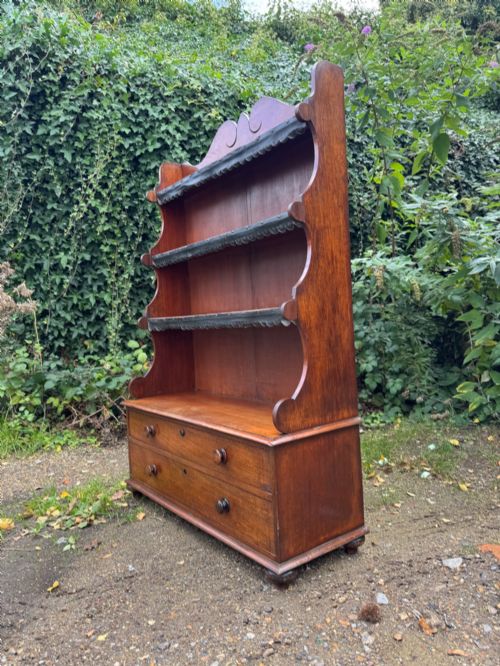
A whatnot is a multi-tiered freestanding shelving unit designed specifically for displaying decorative objects and small volumes. They became popular in the nineteenth century for use in parlours and drawing rooms.
These pieces feature graduated shelves supported by slender uprights, sometimes incorporating small drawers at the base. Their open construction allows light to pass through while providing ample display space.
How do I use hanging shelves?
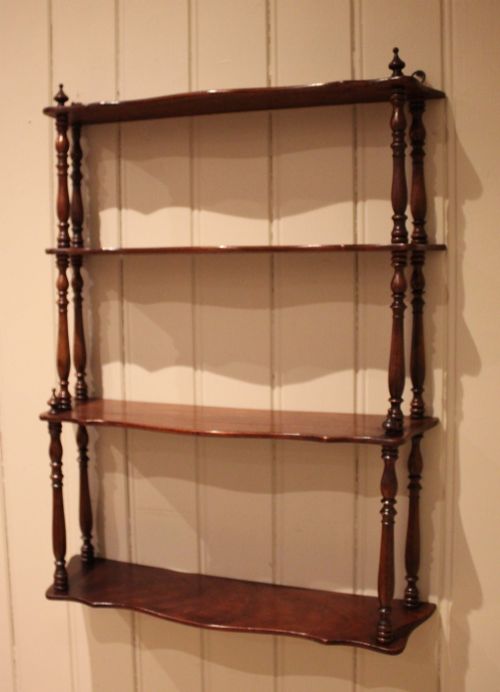
Wall hanging shelves provide vertical display and storage without occupying floor space in smaller rooms. They suit studies, kitchens, and hallways for holding books or small collections.
Ensure that the wall fixings match the weight of the timber and the volumes placed upon the boards. Solid mahogany and oak wall racks require secure anchoring into wall studs or solid masonry.
Are shelves adjustable on antique bookcases?
Many nineteenth-century open bookcases feature adjustable wooden shelves supported by wooden ratchets or metal pins. This system allowed owners to alter shelf heights for varying book sizes.
Fixed shelves do occur, particularly in smaller or simpler rustic pieces and wall-mounted racks. Checking the interior uprights reveals whether the shelving height can be modified.
What timber was used most?
Mahogany stands out as the predominant timber used for nineteenth-century shelving and bookcases. Walnut, burr walnut, and oak also appear regularly across the listings.
Alternative materials include rosewood, bamboo, and pine, often matched with brass galleries or inlaid details. Each wood brings a distinct grain pattern and colour depth to the piece.