

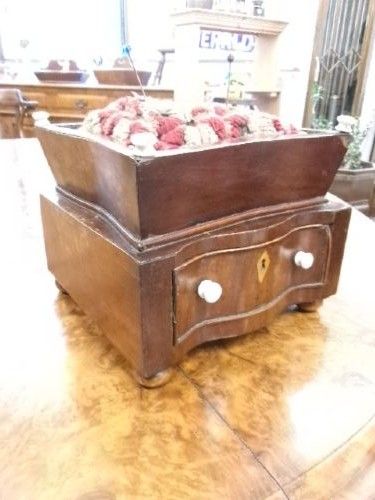


Victorian Sewing Companion
A victorian sewing companion is a tactile piece of domestic heritage, offering fitted velvet, brass, and silver containers that collectors prize for daily use and display.
Victorian Sewing Companion
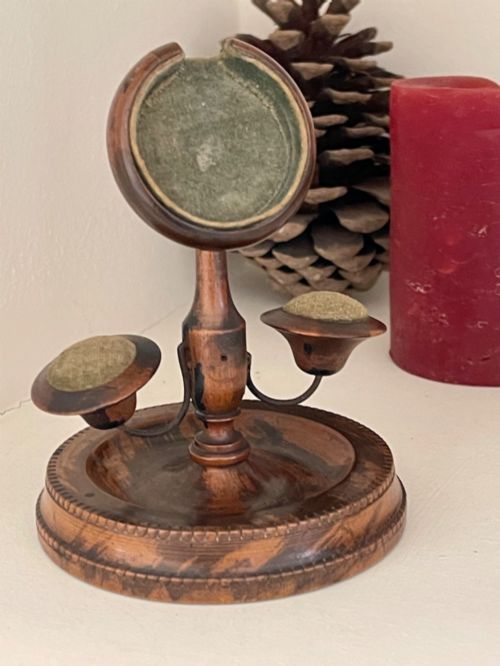
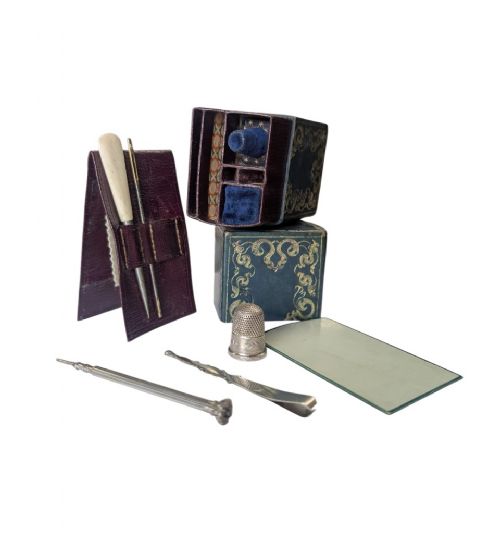
A victorian sewing companion brings together the needlework implements of the nineteenth century within dedicated boxes, stands, and etuis. These items range from compact pin cushions shaped like pugs, jockey caps, and goldfish to expansive burr walnut work tables and fitted velvet sewing boxes.
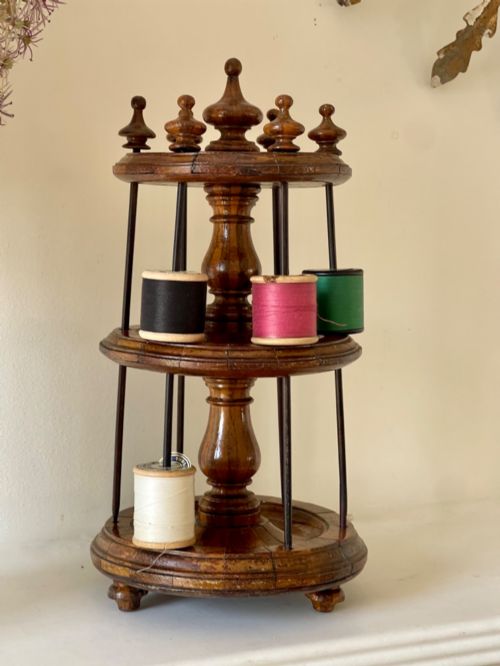
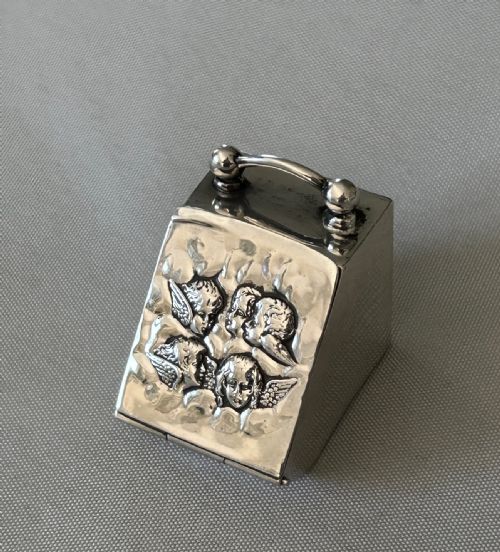
Most examples encountered here date from the Victorian and Edwardian periods, alongside nineteenth-century French and Scottish pieces. Forms vary widely from simple mahogany square pincushions and cotton reel stands to elaborate mother-of-pearl boxes and novelty silver coal scuttle thimble cases.
Buyers frequently find smaller etuis in brass and tortoiseshell, as well as specialised stands for bobbins and threads. Each object reflects the meticulous needlework culture of the era, combining practical utility with decorative miniature craftsmanship.
How they were made
Craftsmen utilised traditional cabinet-making and metalworking techniques to build these companions, selecting sturdy woods like mahogany and burr walnut for the larger boxes and work tables. Interiors were carefully lined with plush velvet and fitted compartments to secure delicate tools.
Metal components involved sterling silver, brass, and gold leaf, often cast or stamped into whimsical novelty shapes such as animals and household items. Bone, tortoiseshell, and mother-of-pearl were shaped and applied as decorative surface veneers to catch the light.
Victorian Sewing Companion Retail Price Guide 2026
Typical asking prices for victorian sewing companion among the pieces listed under this phrase on Sellingantiques today, from the lower quarter to the upper quarter. They describe what is for sale here now, not the wider market.
Victorian silversmiths fashioned pin cushions as swimming goldfish, sporting jockey caps, and miniature coal scuttles.
What varies in quality
The degree of completeness within fitted interiors also defines the hierarchy, as companions retaining their original velvet linings, matched thimbles, and integrated spool stands command greater appreciation. Artisanal ambition elevates certain pieces, turning utilitarian cotton reel stands and coal scuttle cases into miniature sculptures.
The Victorian Sewing Companion Glossary
- Etui
- A small ornamental box or case used for holding needles, small scissors, and other personal sewing implements. These portable containers often feature hinged lids and fitted interior trays.
- Pin Cushion
- A small pad stuffed tightly to receive and hold pins safely during needlework. In nineteenth-century pieces, these frequently took elaborate novelty forms such as animals or everyday objects.
- Cotton Reel Stand
- A vertical or tiered wooden spindle stand designed to hold spools of thread neatly in place during sewing. These stands kept working spaces organised on a desk or table.
- Novelty
- A decorative item shaped to imitate a familiar animal, person, or inanimate object with whimsical humour. Edwardian silversmiths frequently applied this style to small pin cushions and thimble cases.
Victorian Sewing Companion: Frequently Asked Questions
What is a victorian sewing companion?
A victorian sewing companion is a container, box, stand, or pin cushion designed to hold needles, threads, and tools for needlework.
These pieces range from portable etuis and novelty silver figures to large burr walnut work tables fitted for daily domestic use.
How were sewing companions used?
They kept pins, needles, bobbins, and scissors organised and protected during detailed sewing and mending tasks.
Owners displayed them on work tables or carried compact etuis for portable needlecraft projects.
What materials are common?
Makers utilised woods like mahogany and burr walnut alongside metals such as brass and sterling silver.
Velvet interiors, bone, tortoiseshell, and mother-of-pearl also appear frequently across the surviving pieces.
How do I identify periods?
Victorian and Edwardian pieces show distinct shifts from traditional fitted wooden boxes to whimsical silver novelty items.
Styles span mid-nineteenth-century burr walnut work tables to Edwardian silver jockey caps and pug dog pin cushions.