





Victorian Serving Utensils
Victorian serving utensils are functional antiques designed to grace the table, offering lasting utility and period charm for modern dining.
Victorian Serving Utensils
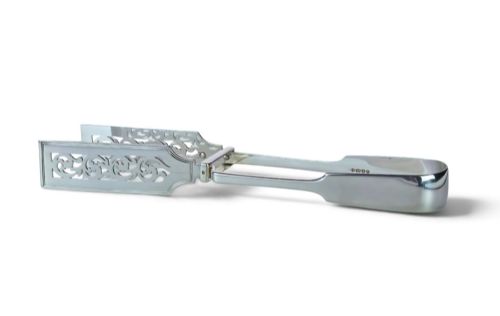
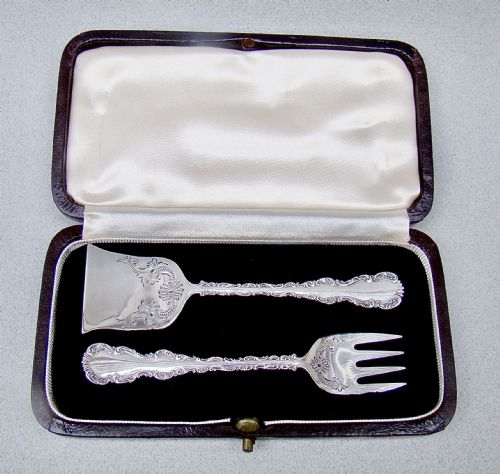
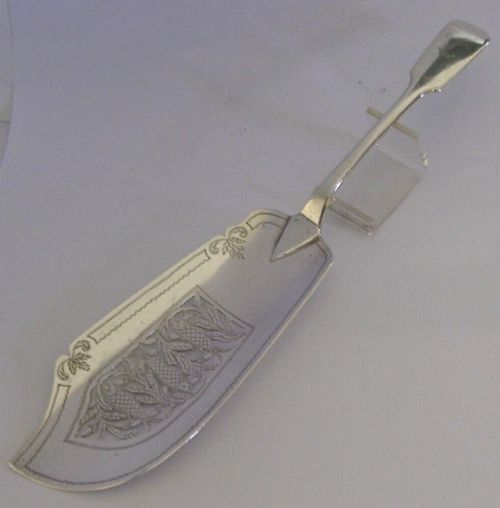
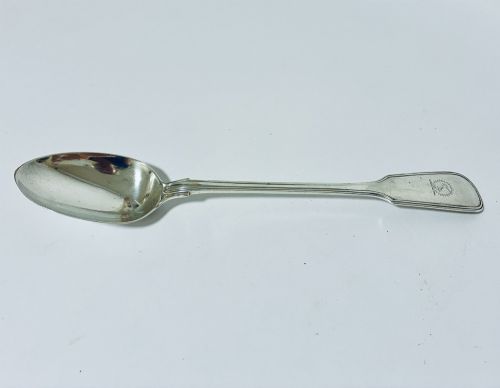
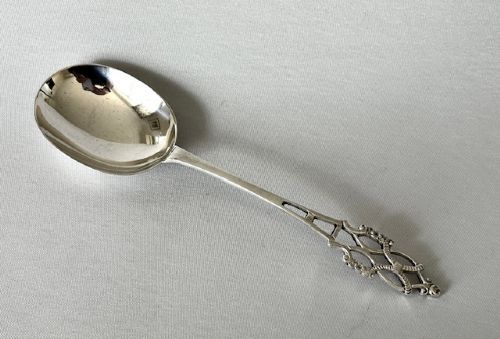
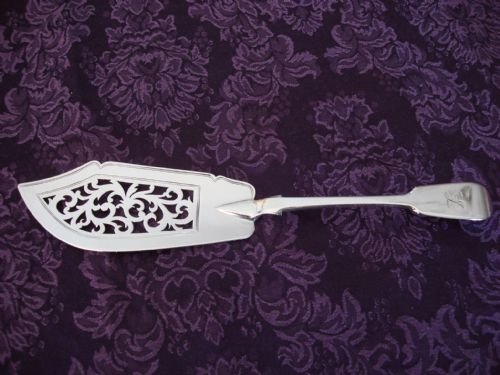
Victorian serving utensils encompass a specialised range of flatware and serveware designed for specific dining tasks, appearing across periods from the Georgian era through the Edwardian years and the late nineteenth century. These pieces include fish servers, grape scissors, gravy spoons, salad servers, sardine servers, and stilton scoops, reflecting the elaborate dining habits of their time.
The objects most frequently met on this page span solid silver, sterling silver, and silver plate, often accompanied by fitted presentation cases lined with velvet, satin, or silk. Forms range from simple spoons to pierced slices and hinged tongs, utilising materials such as horn and mother-of-pearl alongside precious metals.
How they were made
The manufacture of these utensils relies heavily on silver and silver plate, shaped through casting, piercing, and forging techniques. Metalwork is frequently combined with organic materials, integrating horn, mother-of-pearl, leather, and textiles into handles and storage cases.
Makers employed skilled hand-piercing to create intricate decorative patterns on fish slices and serving tongs. Handles often feature traditional decorative motifs such as the Queens pattern, executed with careful attention to balance and proportion.
Victorian Serving Utensils Retail Price Guide 2026
Typical asking prices for victorian serving utensils among the pieces listed under this phrase on Sellingantiques today, from the lower quarter to the upper quarter. They describe what is for sale here now, not the wider market.
What varies in quality
Quality in these utensils is determined by the weight of the metal and the crispness of the cast or pierced decoration. Pieces featuring solid sterling silver demonstrate superior material value compared to silver-plate alternatives.
The inclusion of original fitted cases lined with velvet, satin, or silk adds distinction. The integration of organic elements like mother-of-pearl and horn also influences the overall standard of craftsmanship.
Henry Wilkinson·George Adams·Charles Boyton
The Victorian Serving Utensils Glossary
- Fish server
- A wide utensil, often pierced, designed for serving portions of fish cleanly at the table. These pieces include both single slices and paired implements.
- Grape scissors
- Specialised shears used historically for snipping small bunches of grapes from the stem without damaging the fruit. They frequently feature cast decorative handles.
- Gravy spoon
- An oversized spoon intended for ladling sauces and juices onto plates. They appear in traditional decorative styles such as the Queens pattern.
- Silver plate
- A base metal coated with a thin layer of silver. This technique provided an accessible alternative to solid sterling silver for domestic dining ware.
Victorian Serving Utensils: Frequently Asked Questions
What were victorian serving utensils used for?
These utensils were created to serve specific foods during formal nineteenth-century meals, ranging from fish and salads to fruit and cheese. Each tool matched the dining conventions and social rituals of the period.
Hosts relied on dedicated implements like grape scissors, sardine servers, and gravy spoons to maintain proper table etiquette and hygiene during large dinners.
How do I care for silver serveware?
Silver and silver-plated items require gentle cleaning with appropriate polishes to maintain their finish without removing the underlying metal. Hand washing in warm, soapy water is essential to protect delicate elements like mother-of-pearl or horn.
Storage in dry conditions helps prevent tarnishing. Keeping pieces in lined cases of velvet or silk protects the metal from scratches.
Can I use these utensils today?
Many people incorporate these antique pieces into modern dining, using fish servers and salad sets for everyday meals or special gatherings. Their robust construction in silver and silver plate ensures they remain fully functional.
Care should be taken with organic additions like mother-of-pearl handles or fitted leather boxes, which benefit from gentle handling during regular use.
How do I identify different periods?
Identifying the era involves examining hallmarks stamped into the metal, which record the assay office, date letter, and maker's mark. Stylistic clues such as late Victorian ornamentation or Edwardian plating techniques also help date an item.
Documentation and family crests provide additional context for dating pieces accurately. Comparing forms against known Georgian, Victorian, and Edwardian examples clarifies their origins.