



Victorian Serving Cover
These Victorian serving cover options bring nineteenth-century dining grandeur to the table, combining heavy silver plate and durable earthenware for formal presentation.
Victorian Serving Cover
A Victorian serving cover protects and presents food on the dining table, encompassing meat domes, cloches, and lidded vegetable tureens. When searching for a victorian serving cover, buyers encounter heavy metal domes and ceramic vessels designed to retain heat during meals.
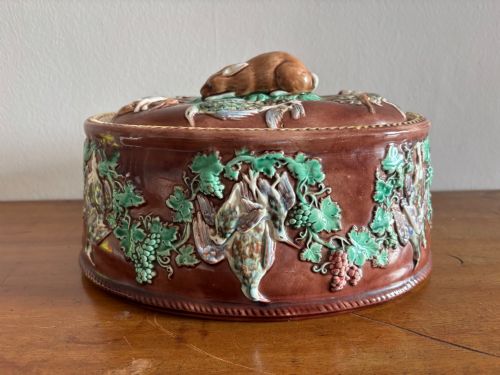
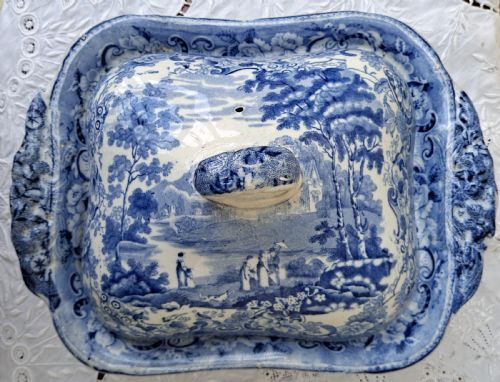
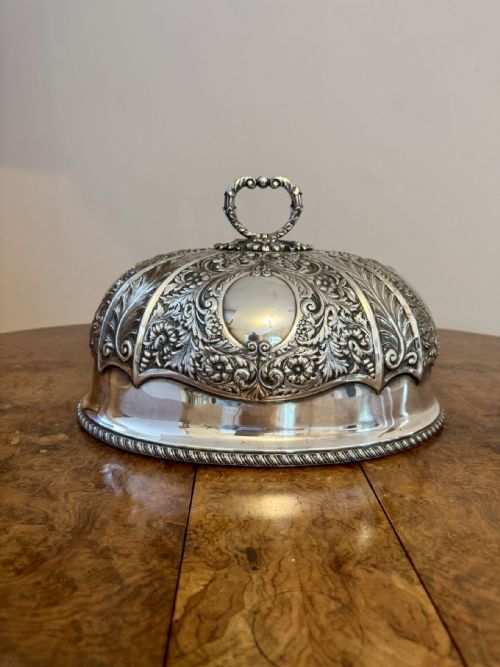
The pieces on this page span the nineteenth century and into the Edwardian period, incorporating forms such as entree dishes, warming dishes, and soup tureens. Ceramic examples often feature transfer-printed blue and white patterns, whilst metal versions provide polished reflective surfaces.
Originating from British makers and potteries, these items served substantial households where keeping roasts and vegetables warm between the kitchen and dining room was essential. Today, they function as practical tableware or decorative display pieces in traditional dining spaces.
Distinctions in quality and execution
The standard of a victorian serving cover is determined by the weight of the metal and the crispness of the applied handles, finials, and crests. Heavier silver plate indicates a thicker coating of silver over the base metal, whilst finer ceramic pieces show sharply defined transfer printing without smudging.
Maker attribution elevates certain pieces, with recognised firms executing cleaner casting, more balanced proportions, and superior finishing on both metal domes and pottery tureens.
Victorian Serving Cover Retail Price Guide 2026
Typical asking prices for victorian serving cover among the pieces listed under this phrase on Sellingantiques today, from the lower quarter to the upper quarter. They describe what is for sale here now, not the wider market.
James Wallace and Co·Masons ironstone·Hamilton and Inches·Doulton Burslem·Daniel and Arter·Edward and John Barnard·Walker and Hall·Ridgways·Elkington·William Hutton and Sons·Copeland and Garrett·Dan Holy
The Victorian Serving Cover Glossary
- Silver plate
- A layer of silver bonded to a base metal such as copper or nickel. This technique provided the appearance of solid silver at a lower cost for large serving vessels.
- Ironstone
- A type of durable commercial earthenware patented in the nineteenth century. It resists chipping and staining better than standard pottery.
- Entree dish
- A shallow lidded container used for serving individual courses at the dining table. They frequently include warming bases or removable compartments.
- Transfer print
- A decorative technique where a design is engraved on a copper plate, inked, and transferred to paper then onto ceramic clay. This allowed intricate blue and white patterns to be repeated consistently.
- Cloche
- A bell-shaped dome used to cover food on a plate or platter. Metal versions were heated to keep roasts warm during service.
Victorian Serving Cover: Frequently Asked Questions
What is a victorian serving cover used for?
These pieces were designed to keep roasted meats, vegetables, and soups warm while being transported from the kitchen to the dining table.
They also served to present the meal formally to guests before the covers were lifted by servants or the host.
How do I clean silver plated domes?
Silver plate requires gentle cleaning with specialised silver polishes and soft cloths to avoid wearing through the thin metal layer.
Scouring pads and harsh chemical detergents must be avoided to preserve the original reflective finish and any engraved details.
Are ironstone tureens safe for food?
Most nineteenth-century ironstone and pottery tureens remain stable for serving dry or cooked foods during modern dining.
However, crazed glazes or older repairs mean some pieces are better suited for display rather than holding wet or acidic foods.
How can I tell silver plate from sterling?
Sterling silver pieces bear hallmarks indicating the maker, city of assay, and standard, such as a lion passant for British silver.
Silver-plated items typically show marks related to electroplating processes or maker initials without the standard government assay hallmarks.