
Victorian Seed Pearl
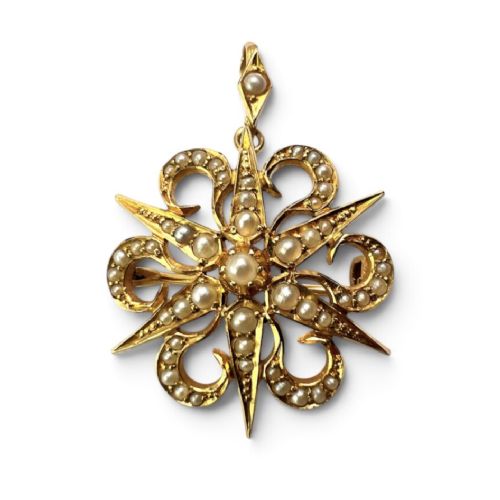
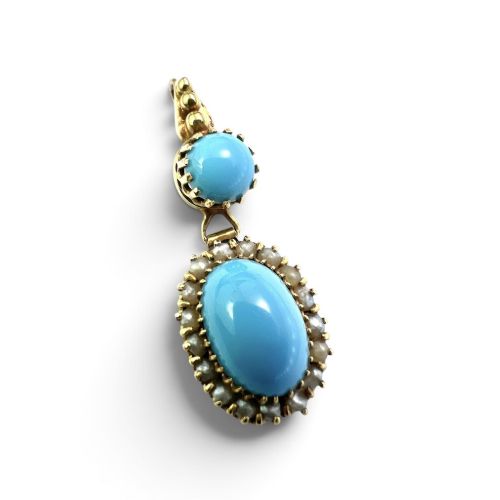
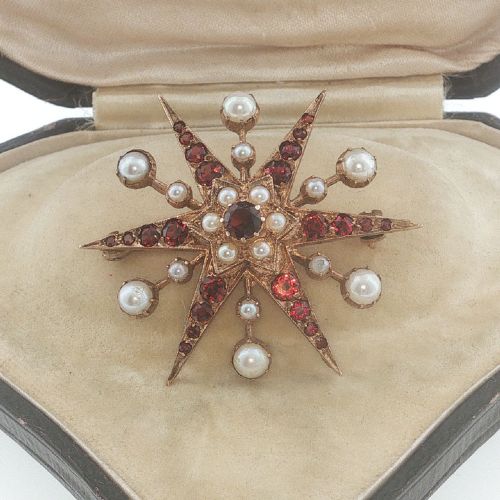
Victorian seed pearl jewellery brings together tiny, lustrous pearls and rich gold to form delicate stars, crescents and floral clusters.
Victorian Seed Pearl
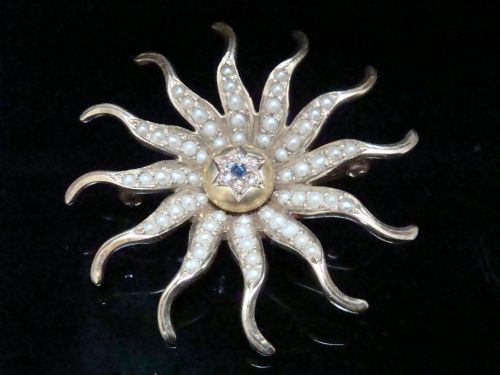
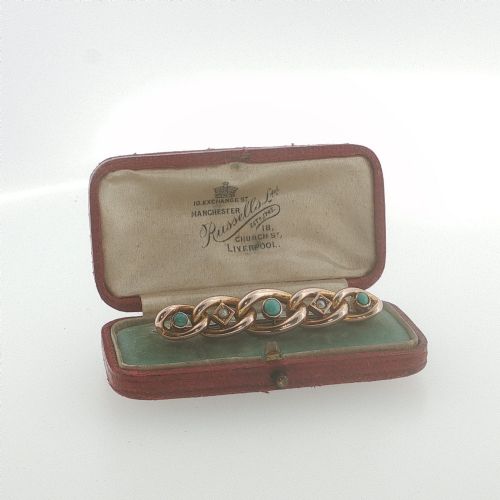
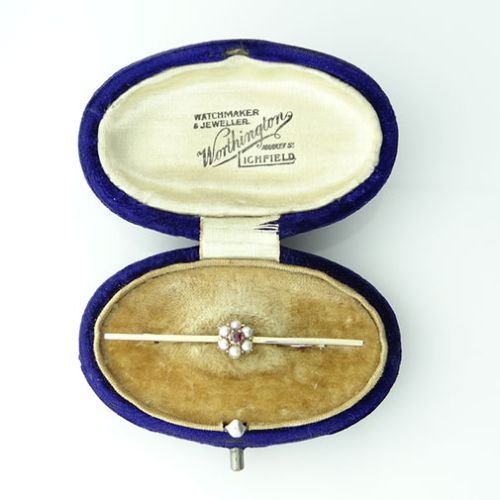
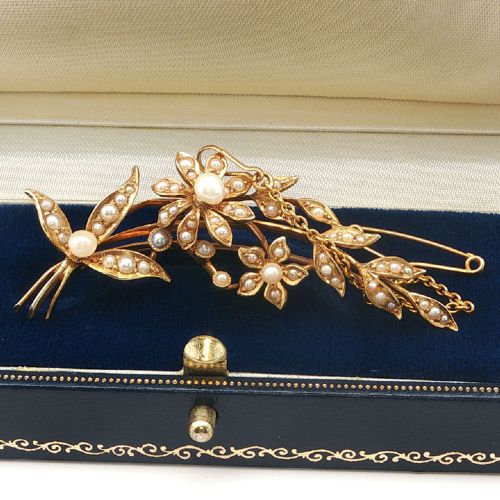
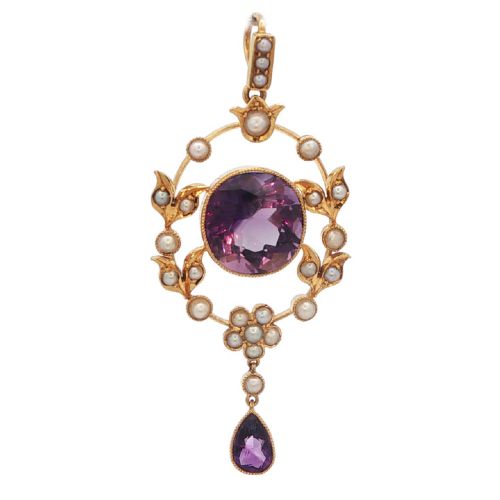
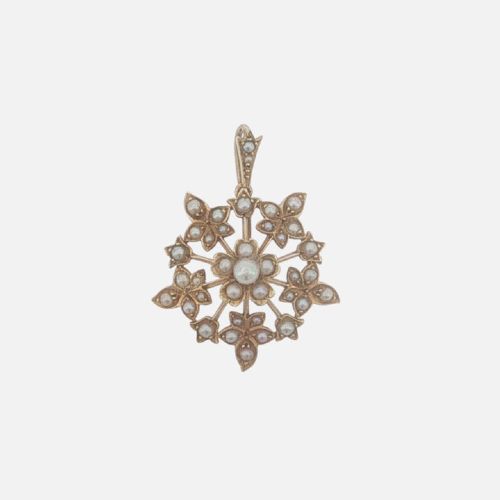
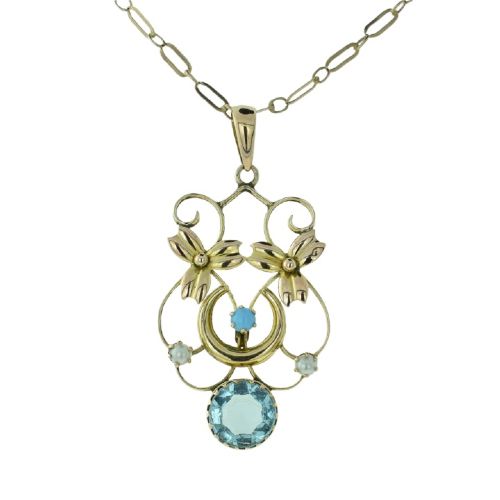
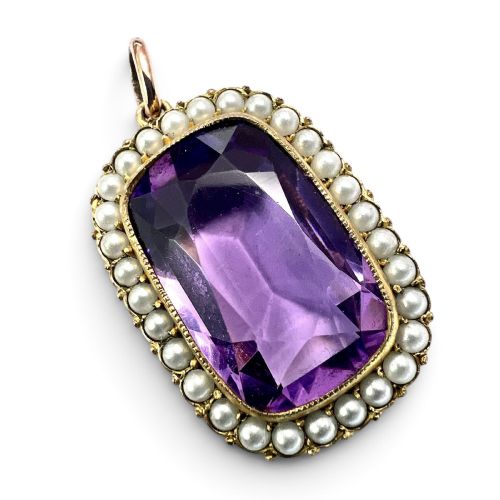
The most common formats on this page are brooches and pendants shaped as stars, floral sprays, bows and hearts, frequently accented by coloured gemstones.
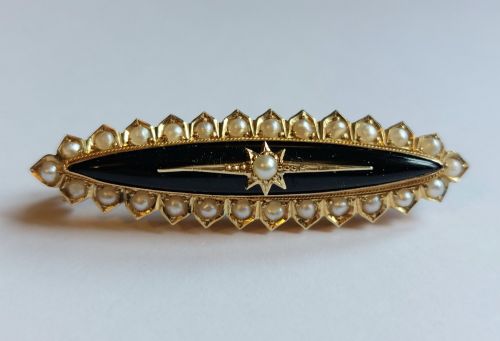
Mourning and commemorative pieces also appear alongside everyday wearable jewellery from the Victorian, Edwardian and later revival eras.
How they were made
Goldsmiths worked primarily in 9ct and 15ct gold, employing granulation, wirework and collet settings to secure minute natural pearls by hand.
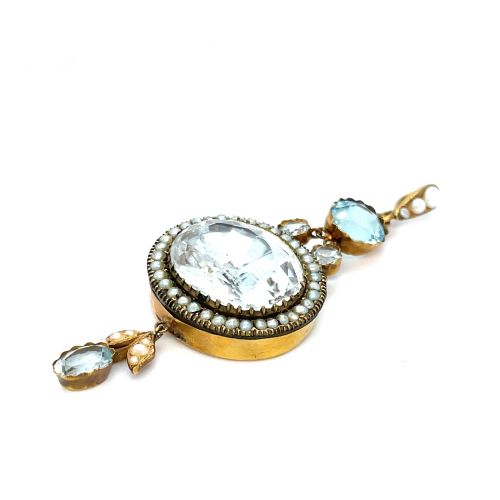
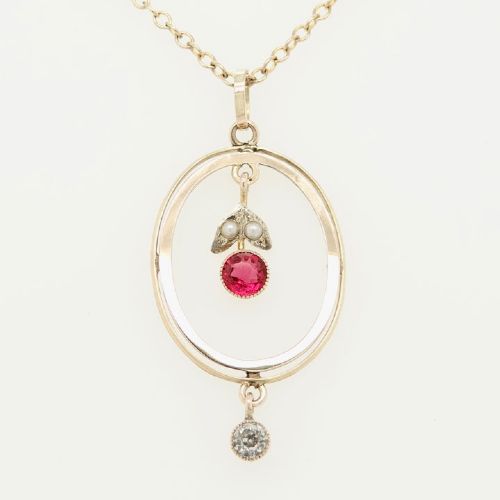
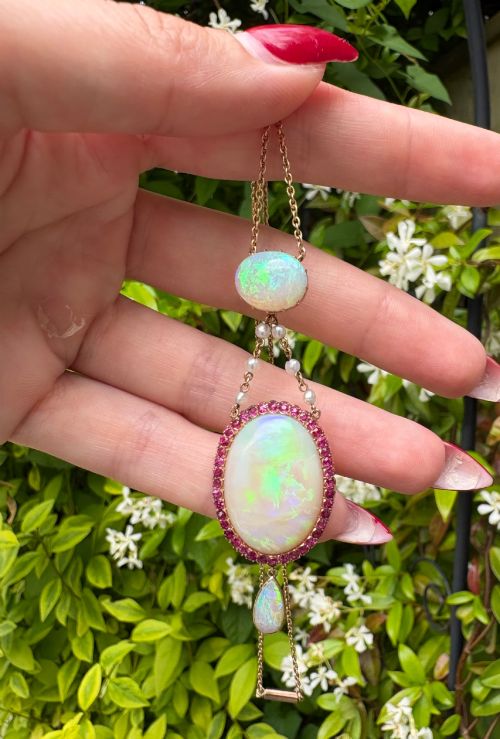
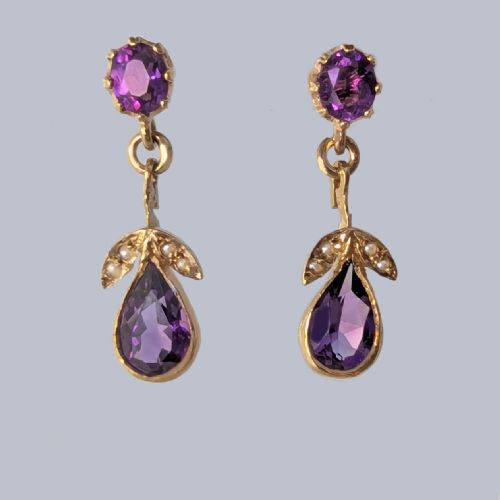
Many items combine seed pearls with gemstones such as turquoise, garnet, amethyst and peridot, often arranged in floral or celestial motifs.
Pendants and brooches frequently incorporate glass-backed photographic compartments or mourning hair elements behind hinged bezels.
Several pieces conceal tiny glass-backed compartments designed to hold woven locks of human hair close to the wearer's heart.
What varies in quality
The standard of survival among the tiny pearls dictates much of the appeal, with uniform lustre and secure original settings marking out better examples.
The weight and purity of the gold mountings also differ, ranging from hollow 9ct stampings to substantial solid 15ct castings.
Design complexity plays a role, separating simple bar brooches from elaborate multi-stone starbursts and double heart lockets.
The Victorian Seed Pearl Glossary
- Seed pearl
- A very small natural or saltwater pearl, typically under two grains, drilled and threaded onto silk or held by tiny claws and pegs.
- Collet
- A raised metal collar or band that surrounds and holds a gemstone or pearl in place.
- Mourning jewellery
- Pieces containing hair, enamel or photographs, created to remember a deceased person.
- Navette
- A boat-shaped gemstone or setting with pointed ends, popular in rings and pendants.
- Lavaliere
- A pendant necklace featuring a central drop suspended below the main chain line.
Victorian Seed Pearl: Frequently Asked Questions
Were all seed pearls natural?
The pearls found in nineteenth-century jewellery are natural saltwater or freshwater pearls harvested before cultured pearl farming began in the twentieth century. They vary slightly in shape and orient.
Because they are natural, individual pearls within a single cluster often show subtle irregularities in tone and contour.
What is a starburst brooch?
A starburst brooch is a symmetrical celestial design featuring rays radiating outward from a central cluster of pearls or gemstones. These pieces were highly fashionable during the late Victorian period.
They are frequently constructed so they can convert from brooches into pendants via a hidden loop on the reverse.
How can I tell a Victorian piece from a revival piece?
Original Victorian pieces exhibit period hallmarks, specific pin fittings like C-clasps, and hand-fabricated construction methods that differ from later twentieth-century manufacturing techniques. Metal purity stamps also varied across different decades.
Revival pieces, such as those from the 1960s, often bear modern office hallmarks or display cleaner internal casting marks characteristic of later workshop production.