


Victorian Seed Pearl Charm
These delicate victorian seed pearl charm pieces combine fine nineteenth-century goldwork with tiny, luminous saltwater pearls for lasting wearable sentiment.
Victorian Seed Pearl Charm
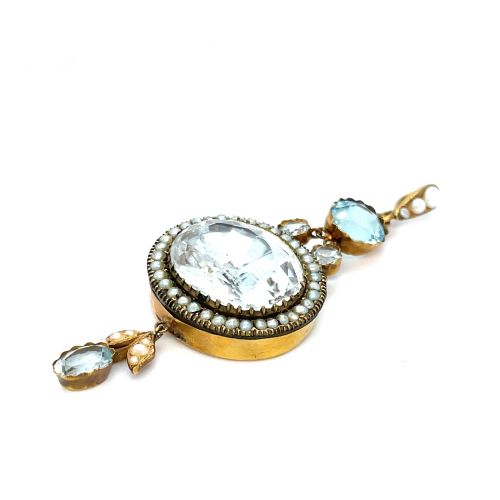
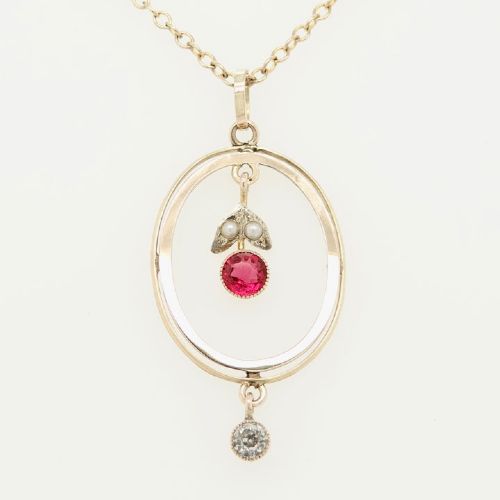
A victorian seed pearl charm typically takes the form of a small pendant, heart locket, or bracelet element designed to be worn close to the skin. These pieces span the Victorian and Edwardian eras, encompassing both British workshops and French antique makers.
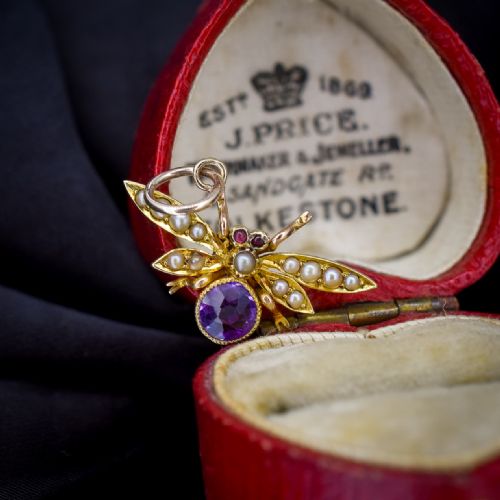
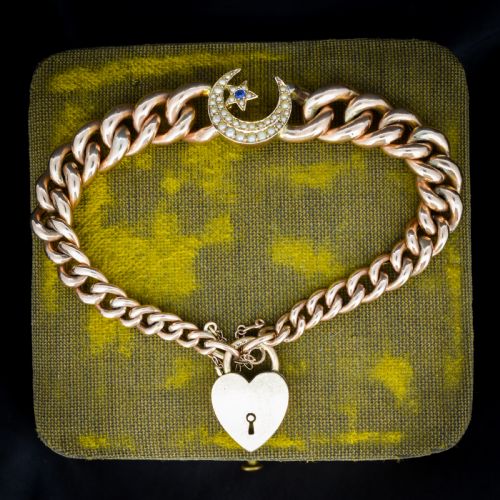
The version most commonly encountered on this page is the gold pendant or heart-shaped charm, often incorporating motifs such as crescents, flowers, or insects alongside the characteristic tiny pearls.
Materials and construction
These items rely on a combination of low and high carat gold, including nine carat, fifteen carat, and eighteen carat yellow, rose, and white varieties. Seed pearls are painstakingly set into the metal, frequently accompanied by coloured gemstones like amethyst, turquoise, and aquamarine.
Workshops utilised techniques such as hollow puff construction for hearts and intricate wirework for floral or ribbon motifs. Metalwork often displays a contrast between textured matt fronts and polished reverse sides.
Gemstone accents paired with pearls include amethyst, turquoise, aquamarine, tourmaline, sapphire, ruby, diamond, and paste.
Factors determining quality
The standard of a piece depends heavily on the uniformity and lustre of the seed pearls, as well as the weight and purity of the gold mount. Solid high carat constructions and fully intact pearl settings distinguish finer items from simpler designs.
Artisanal execution in the shaping of gold hearts, ribbons, or insect wings dictates the distinction between standard production and exceptional nineteenth-century craftsmanship.
The Victorian Seed Pearl Charm Glossary
- Seed pearl
- A very small natural saltwater pearl, typically less than two millimetres in diameter, drilled and threaded or glued onto jewellery mounts. These tiny spheres create the shimmering pavé and border effects characteristic of the period.
- Puff pendant
- A hollow, three-dimensional gold charm, usually formed as a puffy heart with convex front and back plates soldered together. This technique created volume and visual weight while conserving precious metal.
- Curb bracelet
- A linked chain bracelet composed of uniform, slightly flattened uniform links, frequently secured with a heart padlock clasp. They served as foundational pieces for suspending multiple charms.
- Paste
- Hand-cut and polished lead glass used to imitate gemstones in antique jewellery. High quality paste pieces exhibit convincing brilliance and colour reflection.
Victorian Seed Pearl Charm: Frequently Asked Questions
How do I wear a seed pearl charm?
These pieces suspend neatly from fine gold neck chains or attach securely to traditional charm bracelets using small jump rings. Their modest scale suits daily wear when handled with reasonable care.
Because nineteenth-century pearls are delicate, avoid wearing them during physical activities or exposing them to harsh household chemicals and ultrasonic cleaners.
What motifs appear on these charms?
Common decorative themes include romantic hearts, floral sprays, crescent moons, lovers knots, and symbolic insects such as flies. These subjects reflect Victorian and Edwardian sentiments regarding love, nature, and remembrance.
Coloured gemstones like turquoise, amethyst, and ruby frequently accent the seed pearl designs to impart additional symbolic meaning or visual contrast.
How do I date these pieces?
Dating relies on stylistic markers, gold standards, and construction methods characteristic of the Victorian and Edwardian eras, alongside occasional hallmarks or country of origin indicators. French pieces often display distinct workshop marks on small gold components.
Shifts from fifteen carat gold in earlier Victorian items to nine carat standards in later periods help establish a chronological framework for these jewels.