
Victorian Seating Pair
A victorian seating pair brings matched historical presence to a room, offering functional comfort forged in the nineteenth century.
Victorian Seating Pair
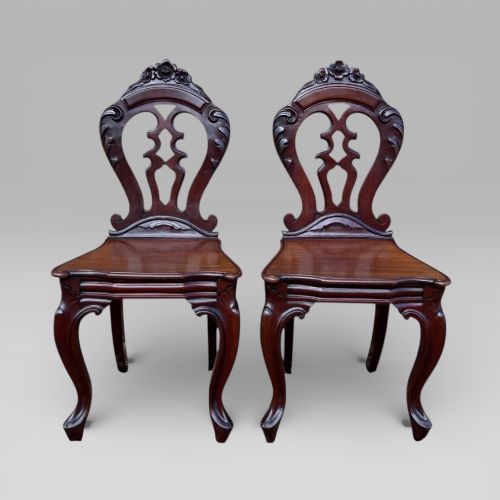
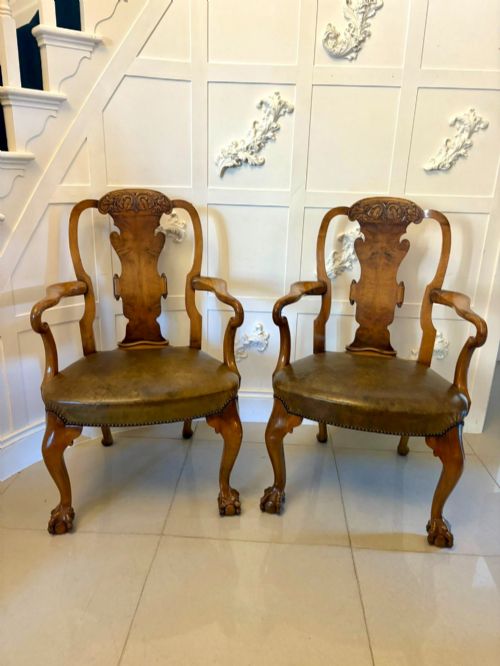
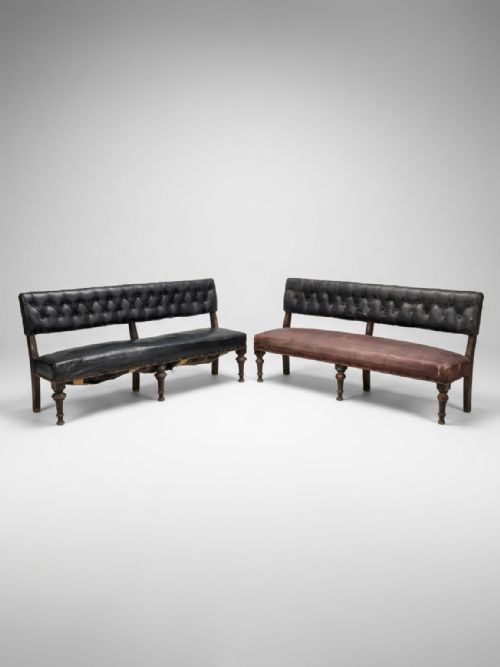
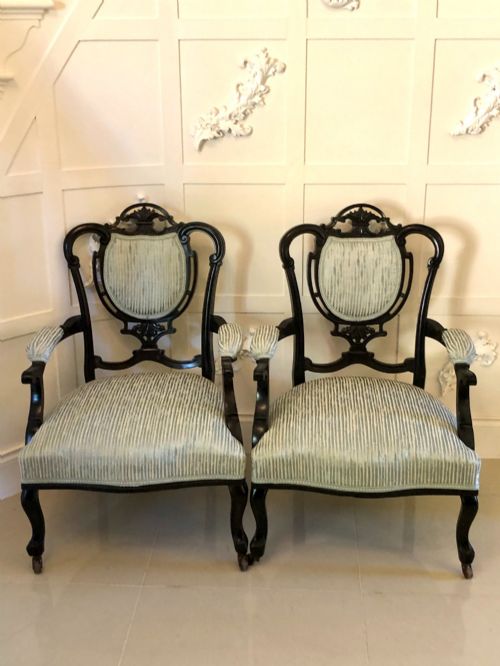
A victorian seating pair gathers matching chairs or benches designed to sit together in a nineteenth-century interior, spanning formal dining rooms and rustic kitchens alike.
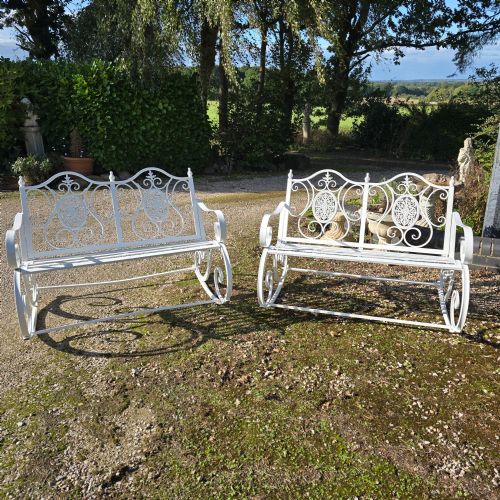
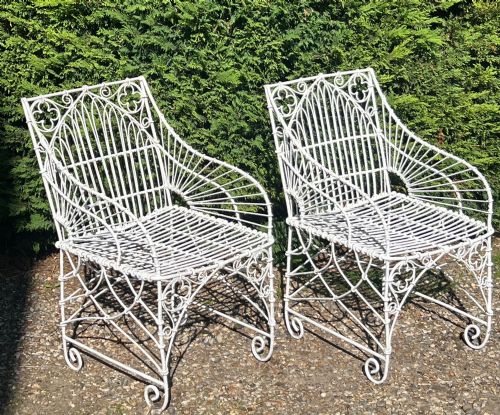
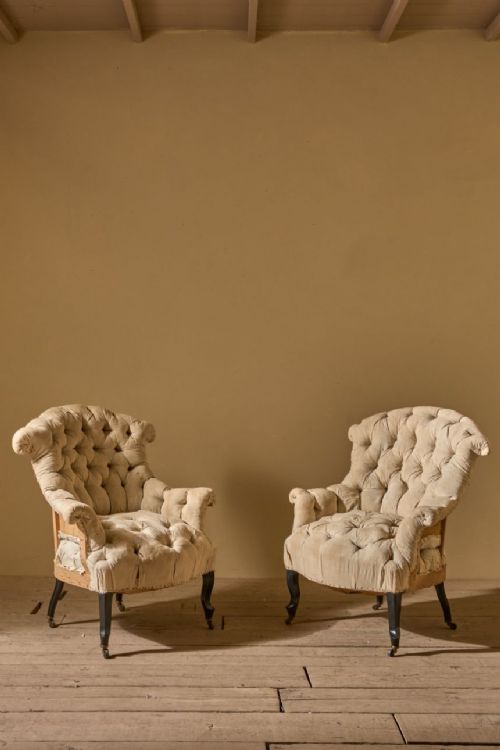
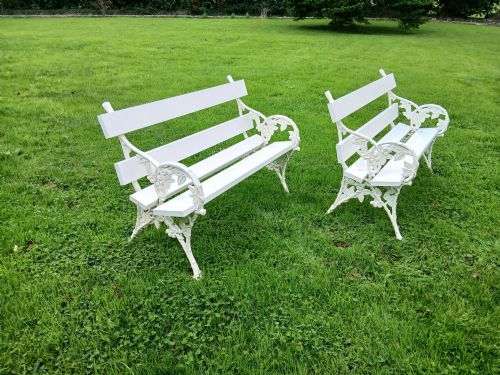
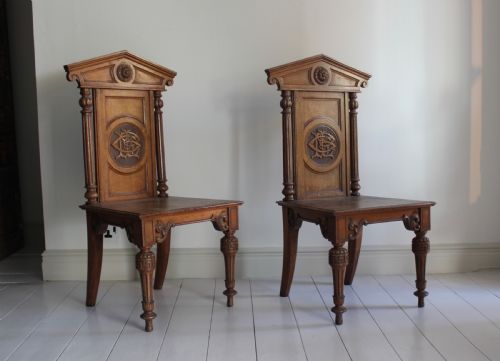
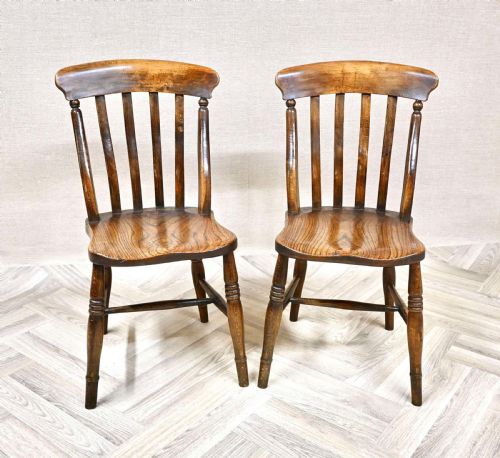
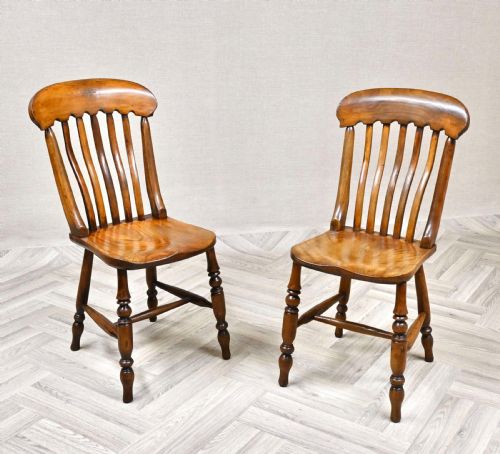
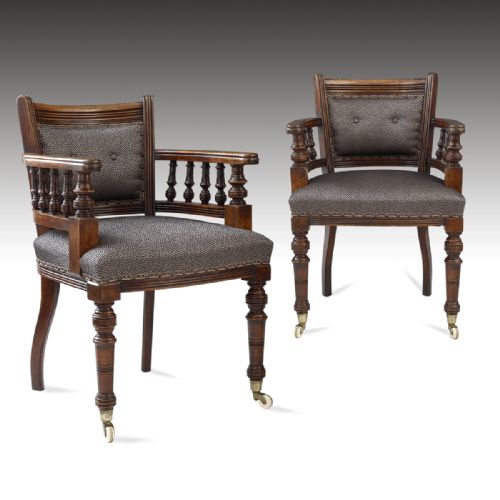
Buyers seeking this phrase encounter varied forms including robust oak hall chairs, buttoned armchairs, elm kitchen windsors, and cast iron garden benches.
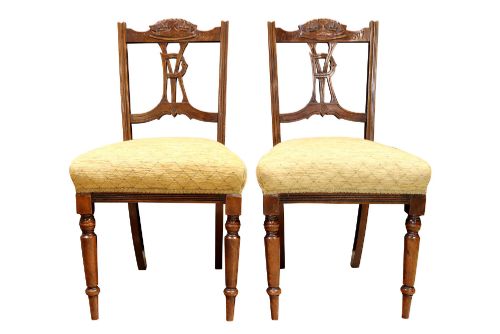
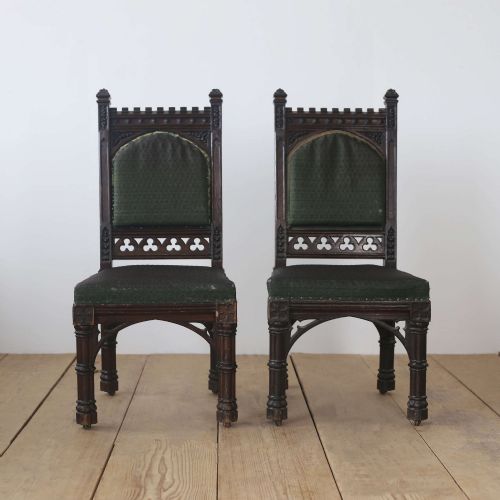
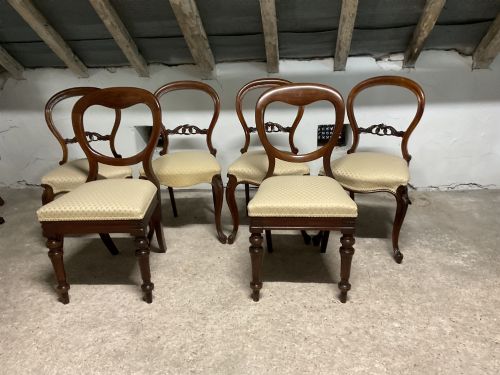
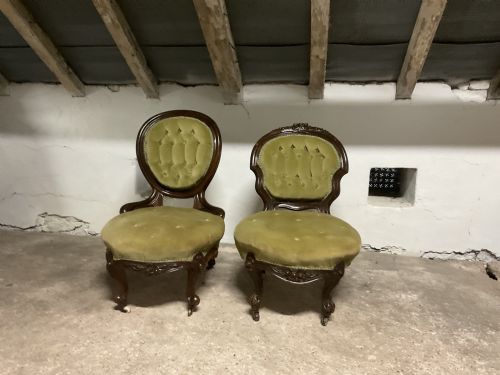
The selection ranges widely across stylistic influences, from Gothic Revival oak to walnut balloon back dining seats and low nursing chairs.
Materials and construction
Cabinetmakers utilised hardwoods such as mahogany, walnut, oak, elm, and beech, shaping them with traditional joinery to withstand decades of daily use.
Metal versions incorporate cast iron and brass, while upholstered models integrate leather, fabric, and horsehair stuffing beneath buttoned or embossed surfaces.
Judging the standard
Quality rests upon the crispness of carved detail, the integrity of the timber frame, and whether original upholstery methods remain intact beneath the fabric.
Higher standard examples display balanced proportions, authentic period patination, and maker labels that confirm workshop origin.
Falkirk Carron Foundry·Howard and Sons·W.A. Willcocks
The Victorian Seating Pair Glossary
- Balloon back
- A chair back shaped like an oval or hot air balloon, popular in mid-nineteenth century walnut dining seating.
- Gothic Revival
- A nineteenth-century architectural and decorative style utilising pointed arches, tracery, and medieval motifs.
- Windsor chair
- A traditional wooden chair featuring a solid saddle-shaped seat into which turned legs and spindles are wedged.
- Nursing chair
- A low-seated upholstered chair designed for comfort near a bedroom hearth or nursery.
Victorian Seating Pair: Frequently Asked Questions
Where should I place a victorian seating pair?
These matching chairs work well flanking a fireplace, framing a hallway, or providing twin seating in a bedroom.
Their balanced design creates symmetry that anchors a room without overwhelming the existing layout.
How do I care for nineteenth-century wood furniture?
Keep wooden frames away from direct heat sources and strong sunlight to prevent the timber from drying and splitting.
Apply a traditional beeswax polish periodically to maintain the lustre of mahogany, walnut, or oak surfaces.
Were these seats made as pairs originally?
Many dining chairs and hall seats were produced as larger sets that later dispersed into smaller groupings over time.
Matching armchairs and garden benches were frequently manufactured as deliberate pairs for domestic or landscape symmetry.
How do I identify the period of a chair?
Examine the timber species, joinery methods, and decorative motifs such as Gothic tracery or balloon back curves.
Maker stamps, paper labels, and construction wear also provide reliable clues to nineteenth-century manufacture.