



Victorian Scent Vial
A victorian scent vial is a pocket-sized vessel for perfume, prized for its combination of precious metal and richly coloured glass.
Victorian Scent Vial
When buyers search for a victorian scent vial, they encounter small personal containers designed to hold volatile perfumes safely in a pocket or vanity case. The pieces on this page span the Victorian and Edwardian periods, stretching into the early twentieth century.
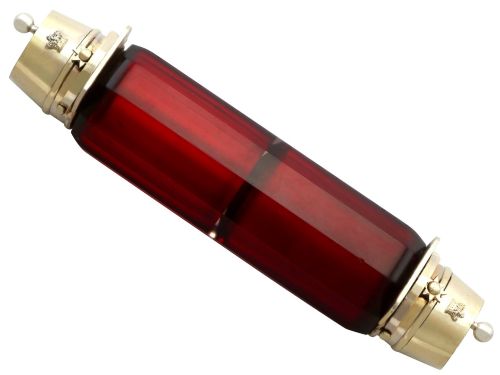
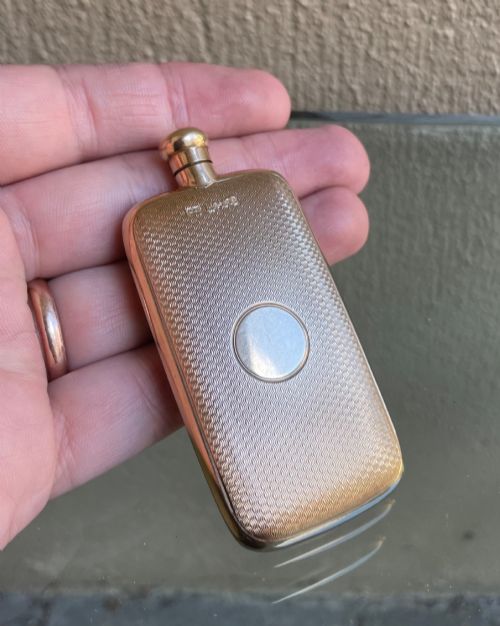
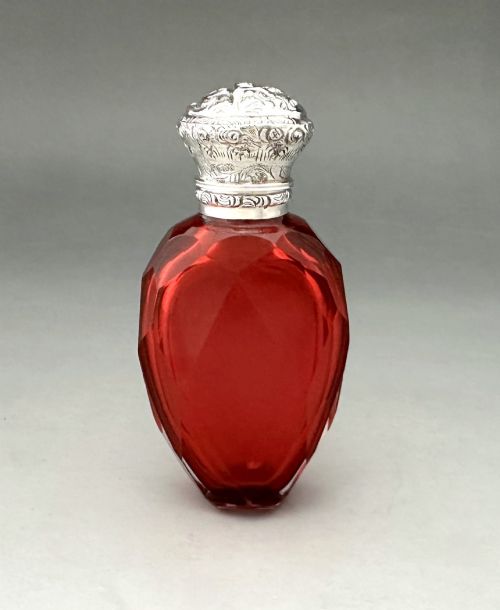
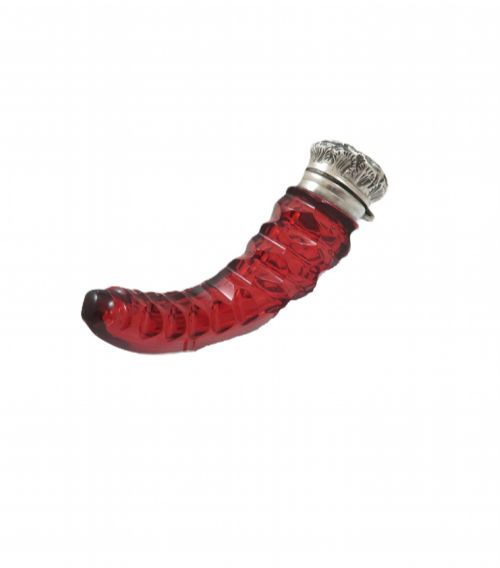
The dominant forms combine glass bodies with silver mounts, frequently appearing in cranberry glass, ruby glass, or sliced-cut teal glass. These portable vessels range from pocket flasks to double-ended bottles and tall vanity jars.
Origins represented in the current selection include nineteenth-century British production alongside specific pieces dated around eighteen seventy, eighteen eighty, and eighteen ninety. Edwardian examples from nineteen hundred and five sit alongside a later nineteen twenty gold flask.
How they were made
Makers shaped the glass bodies through blowing and moulding, often finishing the surface with cut or etched patterns. Sliced-cut teal glass and cut and etched designs required skilled hand-grinding to catch the light.
Mounts and lids utilise solid silver, sterling silver, or nine carat gold, shaped to screw or hinge securely over the glass neck. Engraved detail on the silver components added decorative relief to the polished metal collars.
Victorian Scent Vial Retail Price Guide 2026
Typical asking prices for victorian scent vial among the pieces listed under this phrase on Sellingantiques today, from the lower quarter to the upper quarter. They describe what is for sale here now, not the wider market.
Listings here feature glass bodies in cranberry, ruby, amethyst, and teal, paired with sterling silver or nine carat gold mounts.
What varies in quality
Quality rests in the depth of colour within the glass and the crispness of the cutting across the body. Rich cranberry and amethyst tones display superior saturation compared to lighter tints.
The weight and finish of the silver or gold mounts distinguish finer examples. Crisp engraving on the metalwork and precise fitting between the stopper and the collar elevate the piece.
Kate Greenaway
The Victorian Scent Vial Glossary
- Cranberry glass
- A rich red-pink glass coloured with gold chloride during production. It is characteristic of nineteenth-century tableware and scent bottles.
- Double ended scent bottle
- A vessel with stoppers at both ends, allowing the owner to carry two different perfumes or smelling salts simultaneously.
- Sterling silver
- An alloy of silver containing ninety-two point five percent pure silver by mass. This standard was widely used for British scent bottle mounts.
- Sliced-cut glass
- A decorative technique featuring broad, flat facets cut into the glass surface. It creates sharp geometric planes that reflect light.
- Vanity jar
- A larger container for dressing table cosmetics rather than pocket use. These pieces often feature matching silver lids and cut glass bodies.
Victorian Scent Vial: Frequently Asked Questions
What is a victorian scent vial?
A victorian scent vial is a small portable container used to carry liquid perfume during the nineteenth and early twentieth centuries. These vessels protected volatile fragrances and served as fashionable accessories.
They combine glass bodies in colours like cranberry or ruby with silver or gold mounts. Owners carried them in pockets or reticules for daily use.
How were double ended bottles used?
Double ended bottles allowed the owner to carry two distinct scents or a perfume and smelling salts in a single item. Each end featured its own separate cap or stopper.
This design offered versatility for the user throughout the day. The symmetrical shape often used cut glass with matching silver caps at both poles.
What glass colours are typical?
Cranberry and ruby glass dominate the selection, created by adding gold or copper to the molten mixture. Amethyst glass and sliced-cut teal glass also appear.
These intense colours shielded sensitive perfumes from harsh light. The rich hues remained popular across the Victorian and Edwardian eras.
How do I date a silver mount?
Dating relies on hallmarks stamped into the silver or gold components by assay offices. These small marks indicate the year of testing and the standard of the metal.
Stylistic cues in the engraving and the cut of the glass also help narrow down the period. Pieces range from mid nineteenth-century designs to nineteen twenty items.