





Victorian Scale Pan
These victorian scale pan examples are functional relics of nineteenth-century trade and domestic life, prized today for their industrial weight and material honesty.
Victorian Scale Pan
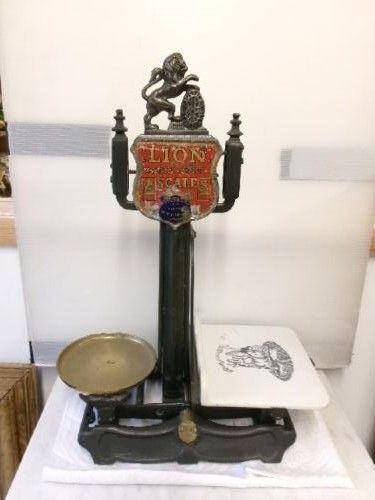
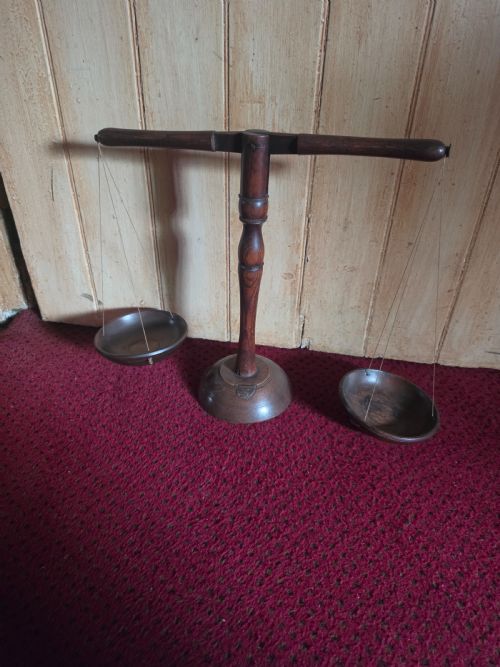
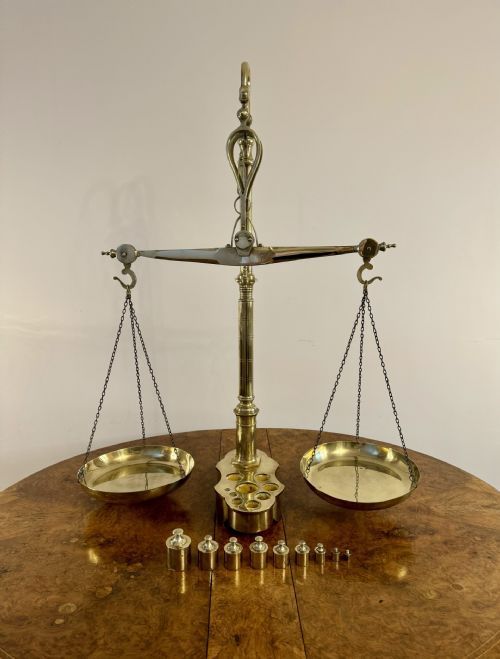
When you search for a victorian scale pan, you encounter the utilitarian accessories and plates belonging to nineteenth-century weighing scales. The listings here comprise ceramic scale plates, treen components, and complete balance mechanisms produced during the Victorian era and into the early twentieth century.
Most examples hail from British workshops, spanning robust ironstone advertising plates, brass beam configurations, and hardwood treen iterations. These objects originate from commercial shops, domestic kitchens, and industrial warehouses, reflecting the heavy reliance on accurate measurement in the period.
How they were made
Pottery advertising scale plates are formed from earthenware or ironstone, featuring applied or printed transfer lettering to brand the merchant's business. Glaze is applied to protect the ceramic surface from daily wear in busy shops.
Metal components utilise cast iron, wrought iron, and polished brass, shaped through founding and forging techniques. Wooden elements such as treen frames employ turned hardwoods, reflecting traditional carpentry methods of the nineteenth century.
Victorian Scale Pan Retail Price Guide 2026
Typical asking prices for victorian scale pan among the pieces listed under this phrase on Sellingantiques today, from the lower quarter to the upper quarter. They describe what is for sale here now, not the wider market.
Listings for this phrase include items spanning the nineteenth century up to 1920, utilising brass, ironstone, earthenware, and hardwood.
Judging quality
The distinction between standard utility items and superior pieces lies in the crispness of the maker's inscriptions and the integrity of the materials. Clear stampings on pottery plates or legible maker engravings on metal beams elevate an object beyond plain commercial stock.
Wear patterns and patination dictate the visual success of a piece, with smooth brass surfaces and unblemished ceramic glazes indicating careful preservation. Heavy metal castings and well-turned hardwoods retain greater structural presence than mass-produced utilitarian replacements.
Day and Millward·Bartlett and Sons·De Grave and Co
The Victorian Scale Pan Glossary
- Treen
- Small handmade wooden household objects. These items show traditional turning and carving methods.
- Ironstone
- A heavy, durable type of earthenware patented in the nineteenth century. It resists chipping better than standard pottery.
- Beam scales
- A weighing device utilising a central fulcrum and balanced arms. Pans suspend from each end to hold the goods and weights.
- Advertising pottery
- Ceramic plates and vessels inscribed with merchant names and locations. They served as daily shop displays.
- Glaze
- A glassy coating fused to ceramic bodies by firing. It provides a waterproof and cleanable surface.
Victorian Scale Pan: Frequently Asked Questions
What were victorian scale pans used for?
These pans sat upon balance scales in Victorian shops, pharmacies, and domestic kitchens to weigh dry goods, groceries, and ingredients.
Merchants relied on them for precise transactions, while ceramic versions often displayed business names to advertise local tradespeople.
How do I date a scale pan?
Dating relies on material characteristics, manufacturing techniques, and any visible maker marks or patent stamps recorded on the metal or ceramic.
Nineteenth-century examples typically feature heavy ironstone bodies, hand-engraved brass inscriptions, or traditional turned treen construction.
Are ceramic and metal pans from the same period?
Ceramic advertising plates and heavy brass beam scales both date primarily to the Victorian era and late nineteenth century.
Makers paired ceramic pans with iron or brass structures depending on the specific trade requirements of the shop.
How should I display these in a home?
Ceramic plates mount securely on walls or rest on shelving as decorative kitchenalia, while complete brass and iron scales anchor a surface.
Their industrial forms pair naturally with wooden sideboards and rustic interior schemes.