





Antique Shop Scale Pan
These antique shop scale pan examples are functional relics of trade built from brass, iron, and ceramic, prized today for industrial kitchen display.
Antique Shop Scale Pan
When you search for an antique shop scale pan, you encounter utility items from the Victorian and Edwardian eras, including ceramic plates and metallic balance pans. These functional pieces served grocers, butchers, and merchants before digital weighing replaced them.
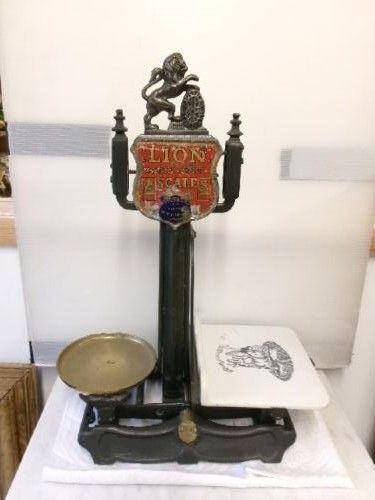
The ceramic versions on this page originate from English potteries around eighteen-seventy, often featuring maker text for Day and Millward. Meanwhile, the metallic options span nineteenth century brass, copper, cast iron, and wrought iron configurations.
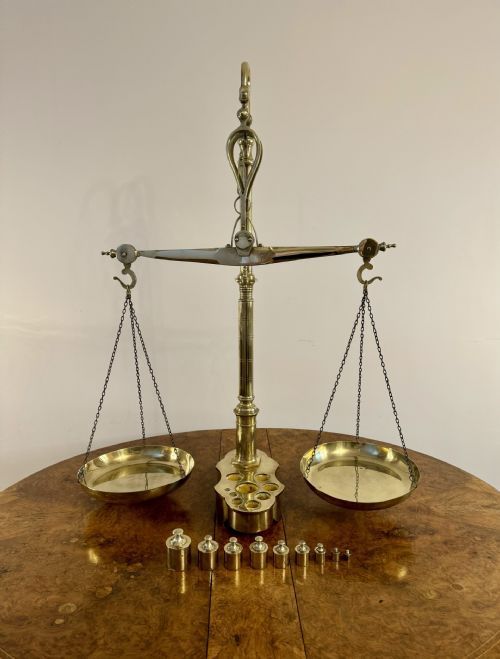
Commercial scales from these periods range from French grocer setups to massive butcher balance scales from nineteen-twenty. Buyers typically find either individual advertising ceramic plates or complete pairs of beam scales with their original weights.
Materials and construction methods
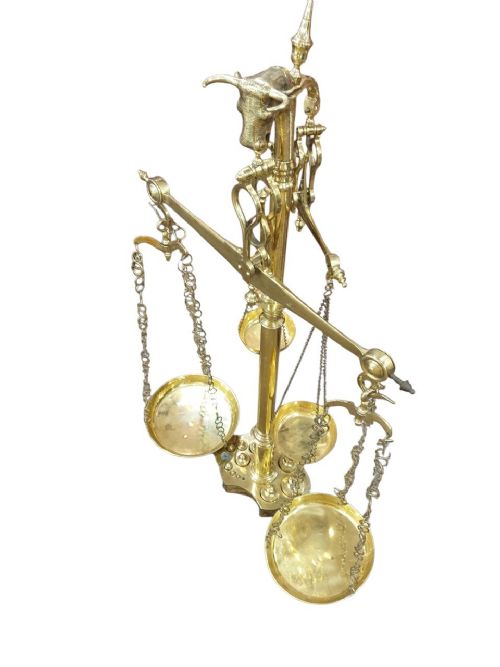
Metal pans and beams utilise heavy cast iron, wrought iron, brass, and copper to withstand daily commercial weighing. Artisans forged and cast these metals into sturdy balance structures designed for longevity on shop counters.
Ceramic scale plates employ earthenware or ironstone finished with a protective glaze, often bearing transfer-printed merchant advertisements. These pottery surfaces combine durability with clear legibility for trade use.
Antique Shop Scale Pan Retail Price Guide 2026
Typical asking prices for shop scale pan among the pieces listed under this phrase on Sellingantiques today, from the lower quarter to the upper quarter. They describe what is for sale here now, not the wider market.
Some ceramic pans bear the patent details of Day and Millward, ensuring your groceries were weighed with official Birmingham authority.
Distinctions in quality and execution
Quality rests in the retention of original components, such as matching iron weights paired with Edwardian iron and copper scales. Complete sets command greater interest than isolated components missing their corresponding hardware.
Clarity of transfer printing on pottery advertising plates separates standard examples from superior ones. Crisp lettering detailing makers like Day and Millward enhances the visual merit of ceramic pans.
The Antique Shop Scale Pan Glossary
- Beam scales
- A weighing device utilising a central pivot and suspended pans at either end. These mechanical balances formed the backbone of nineteenth-century shop trade.
- Ironstone
- A heavy, durable type of earthenware developed in the nineteenth century. It provided a strong white surface ideal for commercial advertising plates.
- Kitchenalia
- Domestic and commercial utensils collected for their utilitarian aesthetic. Scale pans fit squarely within this category of decorative culinary antiques.
- Glaze
- A glassy coating fused to pottery through firing. This waterproof layer protected earthenware scale plates from constant cleaning in grocers shops.
Antique Shop Scale Pan: Frequently Asked Questions
What were antique shop scale pans used for?
Merchants utilised these pans to weigh dry goods, provisions, and meats in nineteenth and early twentieth-century shops. They sat atop balance scales on counters for daily commercial transactions.
Today, collectors repurpose these durable brass, iron, and ceramic pans as decorative kitchenalia or functional display pieces in modern homes.
How do I date an antique scale pan?
Dating relies on materials, styles, and maker marks stamped into the metal or printed on the ceramic surface. Victorian and Edwardian examples often feature patent details or specific foundry stamps.
Ceramic plates from around eighteen-seventy display distinct ironstone bodies, while later nineteen-twenty butcher scales exhibit heavier industrial iron construction.
Are ceramic scale pans fragile?
Ceramic pans utilise thick earthenware and ironstone bodies designed to endure heavy daily use in busy shops. While durable, they remain susceptible to chips from metal weights if mishandled.
Careful placement on flat surfaces ensures these glazed pottery plates survive intact as decorative interior items.
What is the difference between brass and iron scales?
Brass scales often appeared in refined grocer settings, featuring polished beams and pans suited to clean retail environments. Iron and copper variants tended toward heavier commercial duties.
Industrial butcher and merchant scales utilised cast and wrought iron to support much larger capacities than standard domestic balance setups.