
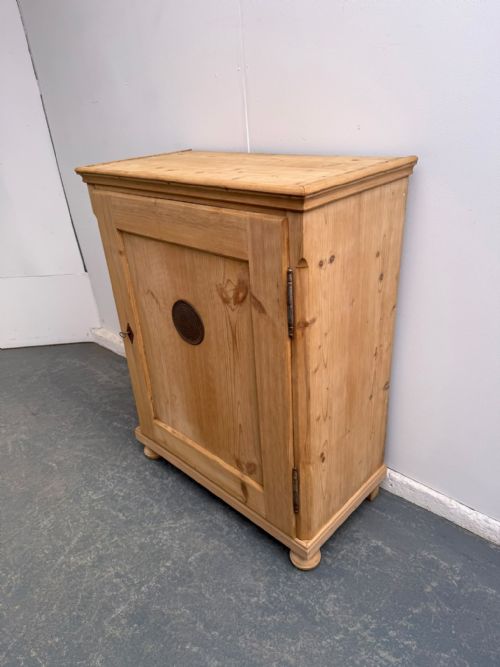

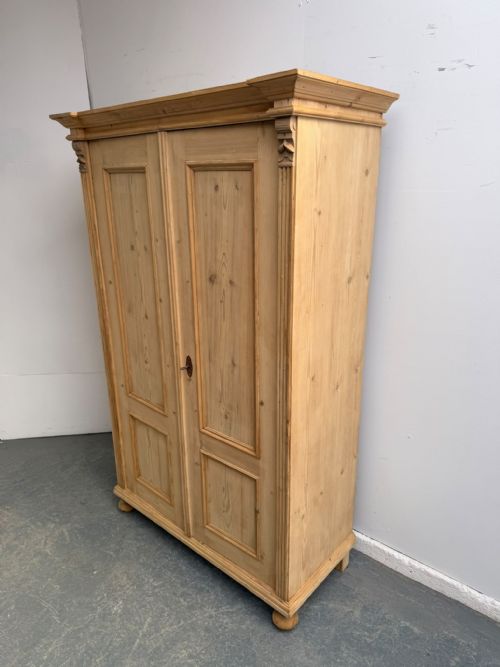
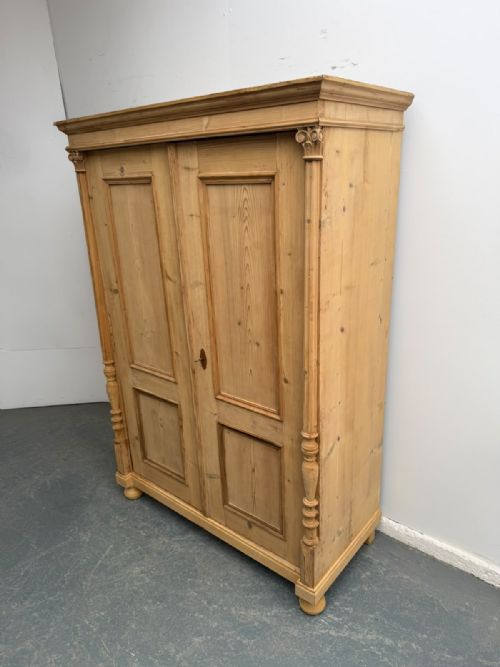
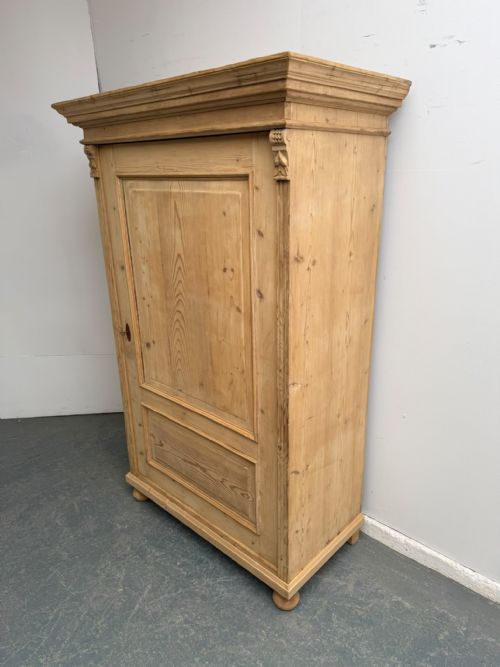
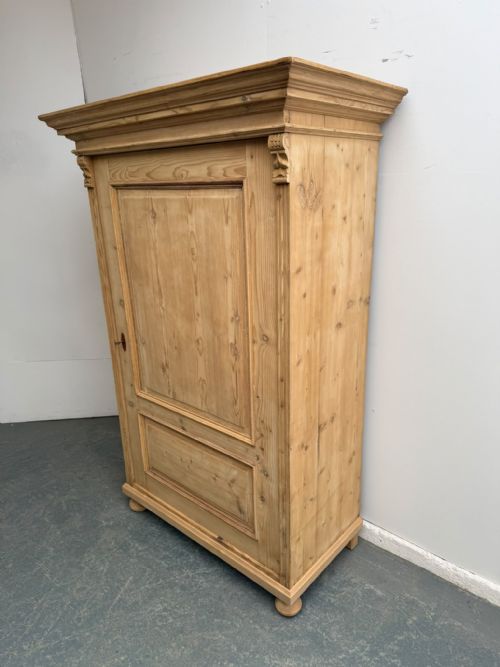
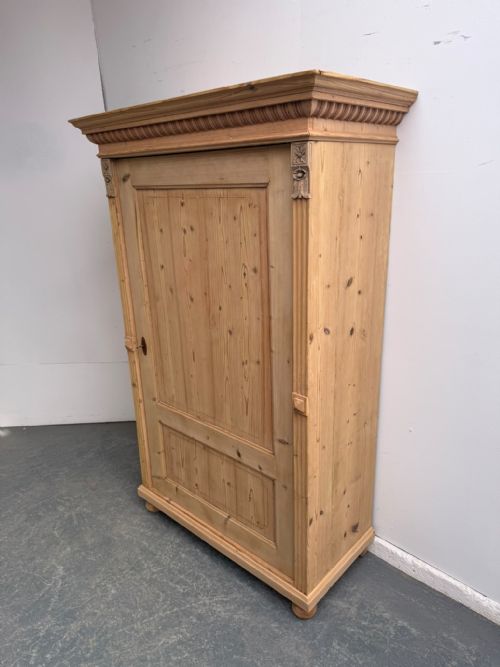
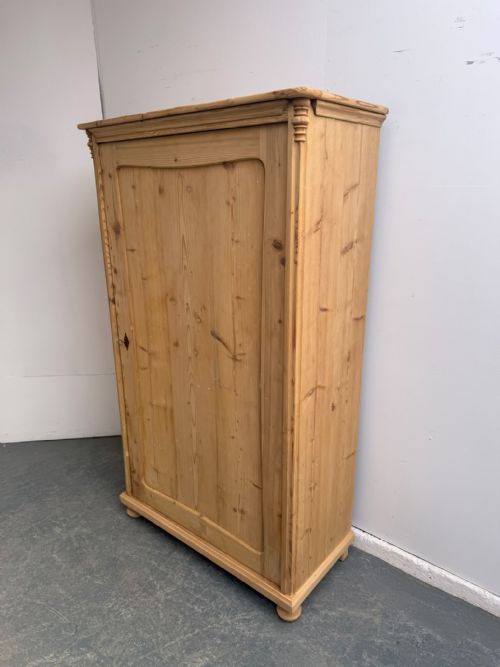
Victorian Rustic Pine Larder
A victorian rustic pine larder brings honest kitchen storage and period utility into a modern room.
Victorian Rustic Pine Larder
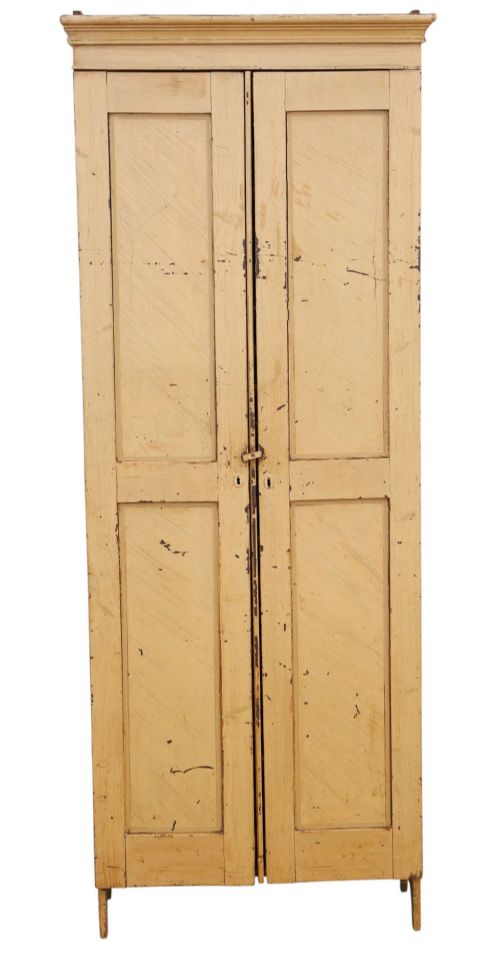
A victorian rustic pine larder represents the heavy-duty utility furniture used to store provisions before modern refrigeration became common in homes. Buyers searching for this phrase seek tall timber storage pieces that display the functional honesty of nineteenth-century domestic life.
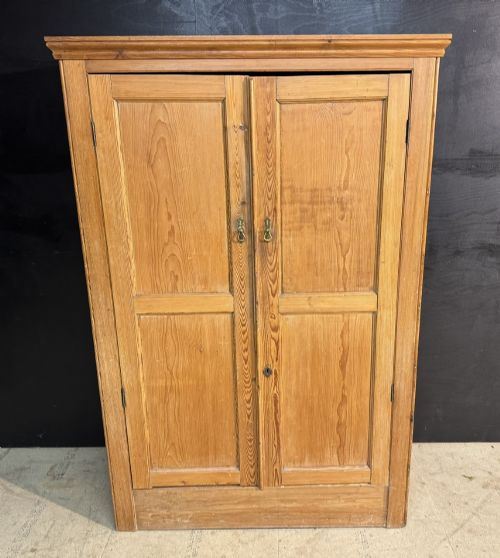
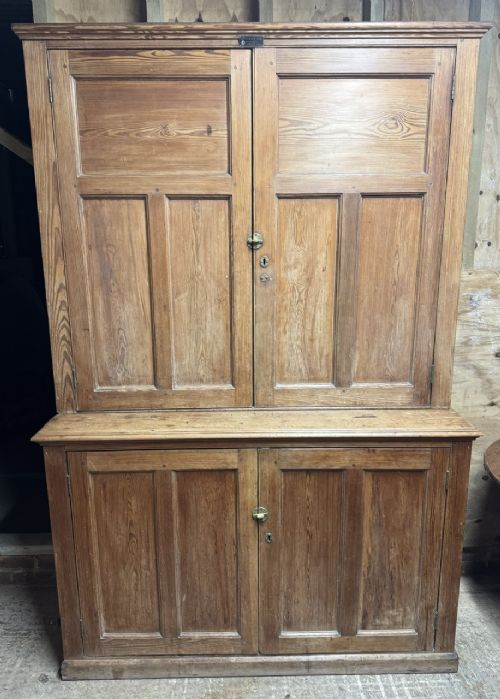
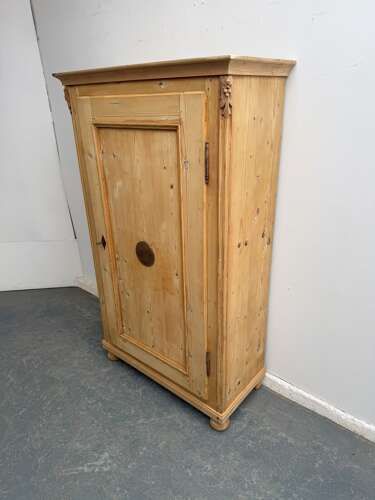
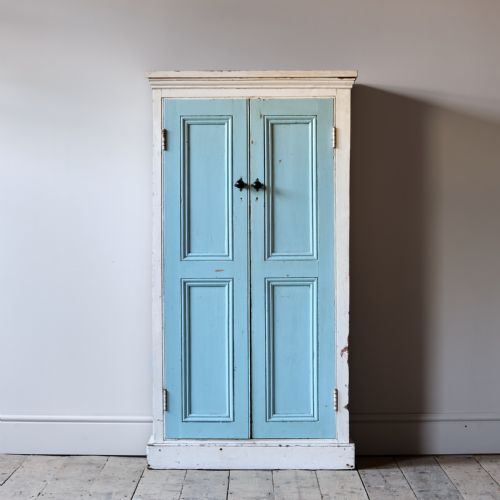
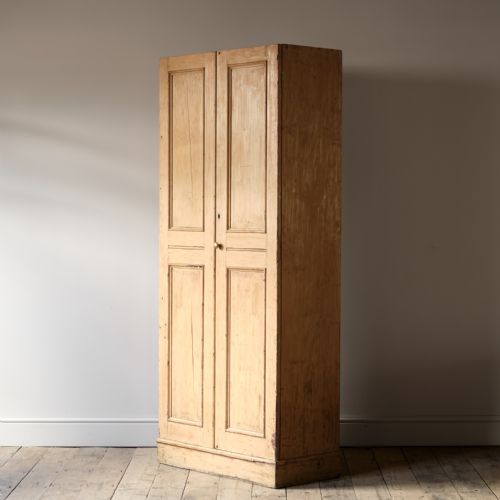
The pieces appearing on this page span several forms including tall narrow housekeeper cupboards, multi-door storage units, and vented food cabinets. Many examples emerge from the Victorian period alongside nineteenth-century and Edwardian equivalents.
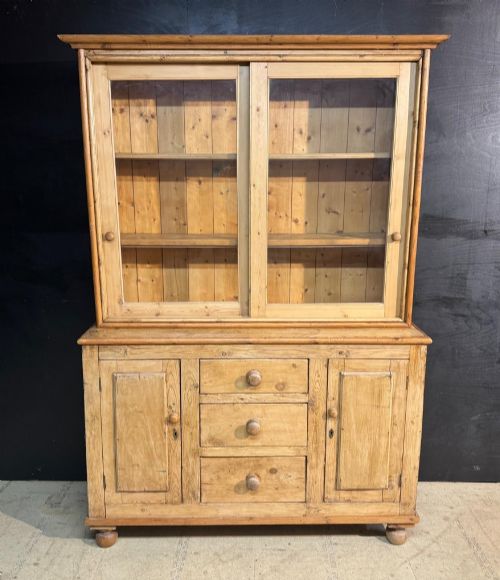
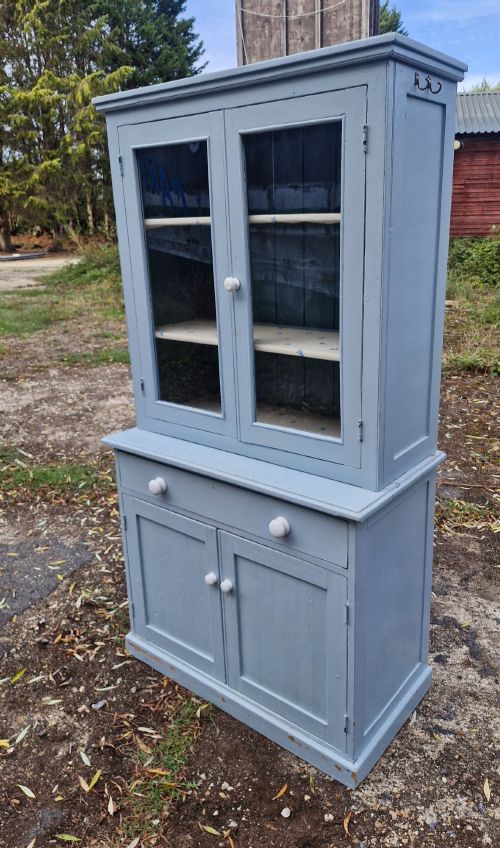
Kitchen dressers, school cabinets, and glazed display variants also appear under this broad heading. The most frequent form met here is the single or multi-door pine cupboard designed for heavy kitchen service.
Judging quality and proportion
Quality in these utility cupboards rests upon the integrity of the timber framing and the preservation of original hardware. Well-proportioned tall carcases with sound panelled doors and functioning interior shelving stand apart from heavily altered examples.
The listings span from the eighteenth century through the Edwardian era, incorporating painted wood, brass hardware, and iron fittings.
The Victorian Rustic Pine Larder Glossary
- Larder
- A tall cupboard traditionally used for storing perishable food items before the invention of refrigeration. These units often incorporated ventilation to keep provisions cool and fresh.
- Housekeeper cupboard
- A large storage cabinet utilised in country houses for linens, dry goods, and kitchen equipment. They typically feature multiple doors and internal shelving.
- Vernacular
- Architecture and furniture built by local craftsmen using traditional regional methods and local materials. These pieces prioritise function over formal stylistic trends.
- Vented cupboard
- A storage cabinet fitted with pierced panels or wire mesh panels to allow air circulation. This design prevented dampness and spoilage in stored food.
- Fielded panel
- A wooden panel with bevelled edges that fits into a grooved frame. This technique allows the timber to expand and contract with humidity changes without cracking.
Victorian Rustic Pine Larder: Frequently Asked Questions
What is a victorian rustic pine larder?
A victorian rustic pine larder is a tall wooden storage unit built during the nineteenth century for keeping provisions. These cupboards served rural and domestic kitchens before household refrigerators existed.
They rely on solid pine construction and straightforward joinery. Many feature interior shelves and ventilation panels designed to maintain airflow around food.
How were pine larders used originally?
These cupboards functioned as the primary food storage stations in country houses and farm kitchens. Families stored bread, cheese, dry goods, and perishables inside them.
Vented doors allowed cool air to circulate while keeping pests away from provisions. Larger housekeeper variants also stored household linens and tableware.
How do I clean a waxed pine larder?
Clean waxed pine surfaces gently using a soft, dry cloth to remove dust. Avoid harsh chemical cleaners or excess water that can strip the historic wax finish.
Applying a traditional beeswax polish occasionally helps nourish the softwood. Buff the surface lightly after application to maintain a soft, protective sheen.
How do I date an antique pine cupboard?
Dating relies on examining construction techniques, nail types, and hardware fixtures. Hand-cut dovetails and pegged joints generally indicate nineteenth-century or earlier manufacture.
Saw marks on the timber and the type of hinges used provide further clues. Painted surfaces can also reveal the age through layer wear and pigment analysis.