






Victorian Rush Chair
A victorian rush chair brings honest country craft into a room, offering sturdy wood framing and woven seating that ages with quiet grace.
Victorian Rush Chair
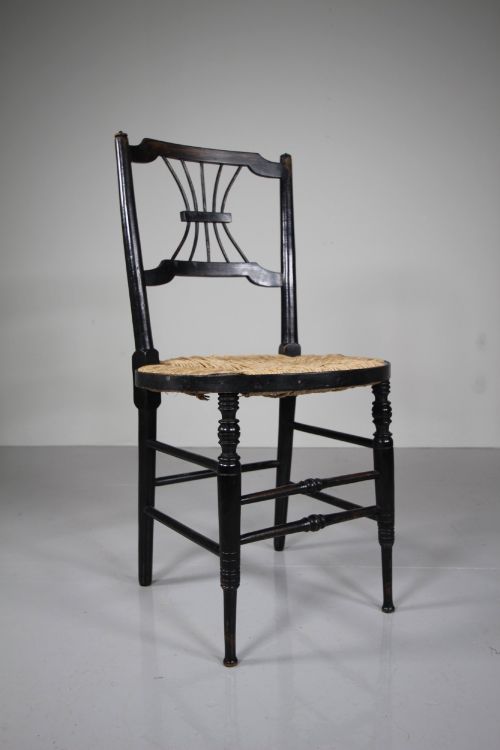
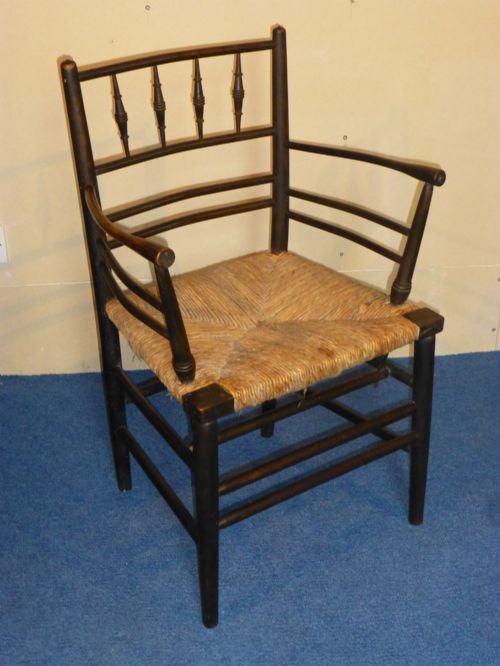
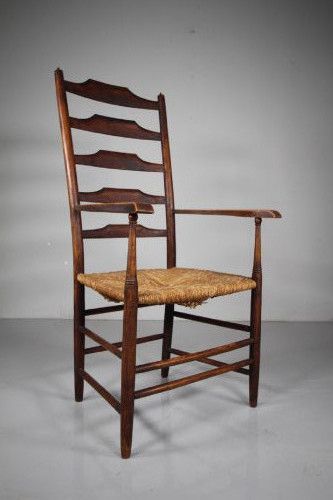
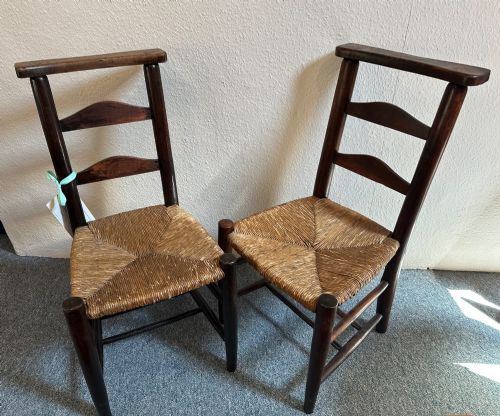
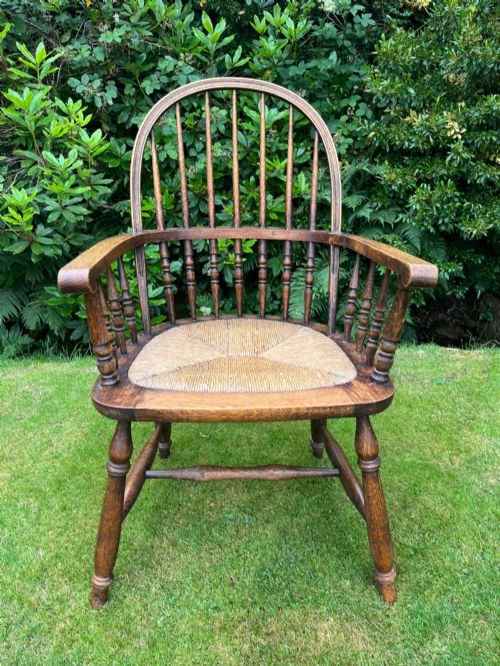
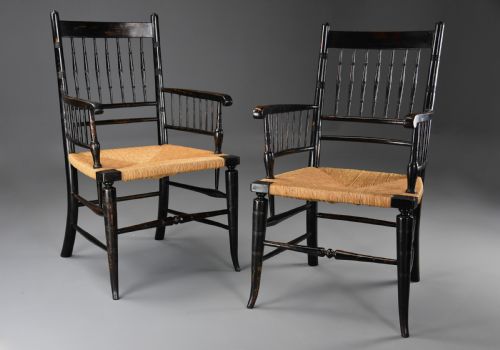
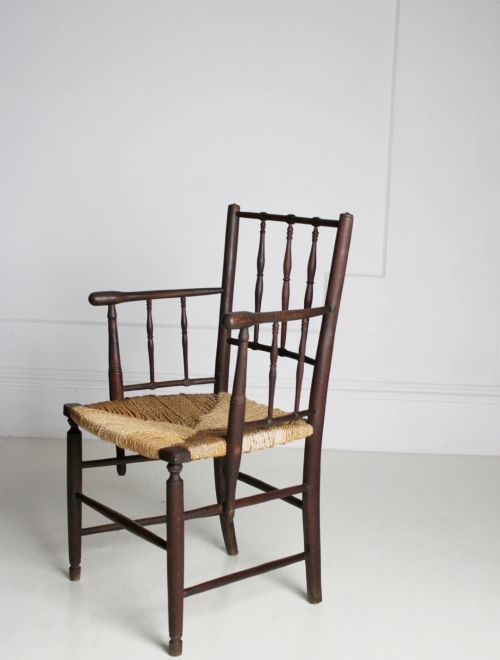
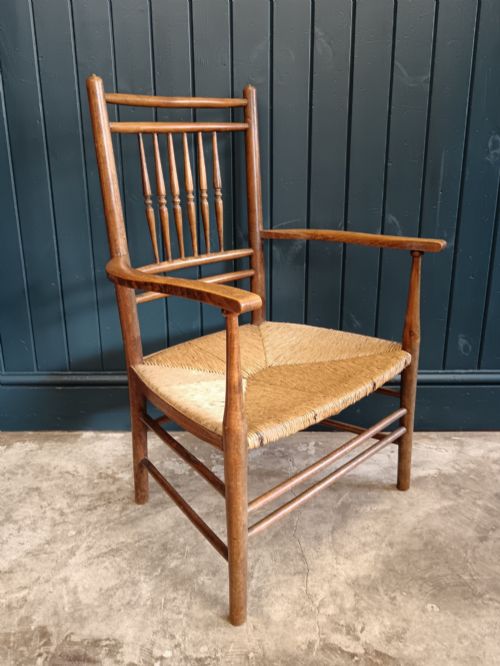
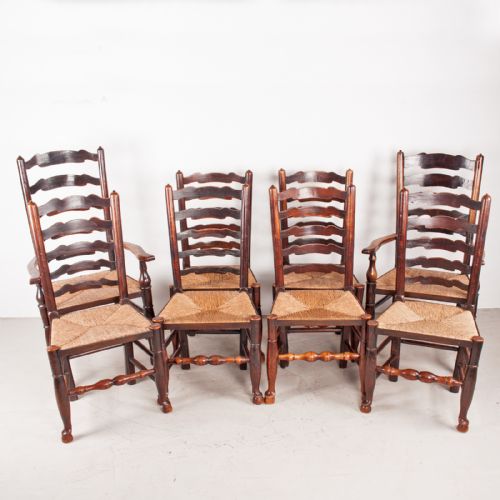
A victorian rush chair typically presents itself as a country ladderback, a spindle-backed farmhouse seat, or a refined Arts and Crafts model. Buyers seek these pieces for their enduring functional design and organic textures that soften formal interiors.
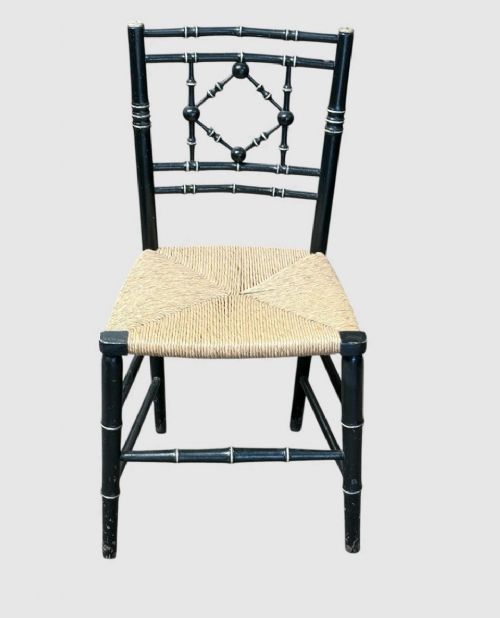
The selections span simple domestic seating made for provincial kitchens alongside lighter, ebonised designs influenced by the Aesthetic Movement. Most examples date from the middle decades of the nineteenth century up to nineteen hundred.
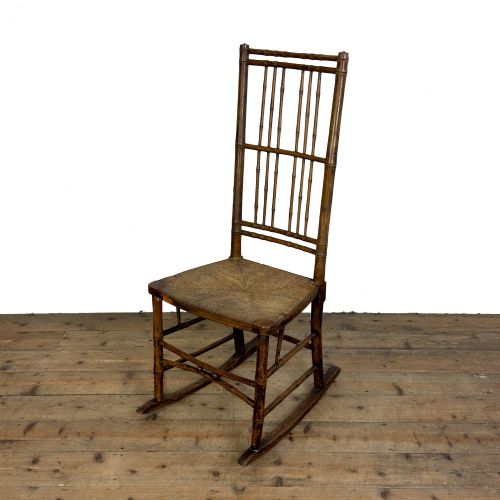
Formats range from single side chairs and large dining sets to low fireside armchairs, rocking chairs, and small childs variants. Each type demonstrates how utilitarian seating evolved into a deliberate aesthetic choice during the period.
Distinctions in Quality and Make
Quality rests primarily in the tightness and uniformity of the rush weaving, as well as the crispness of the turned wooden spindles. Denser weaving resists sagging over decades of use.
The integrity of the frame construction dictates longevity, with tight joints and well-selected timber holding up better than loose or heavily repaired frames. Original surfaces and untouched patination elevate certain examples above those with later painted coatings.
Victorian Rush Chair Retail Price Guide 2026
Typical asking prices for victorian rush chair among the pieces listed under this phrase on Sellingantiques today, from the lower quarter to the upper quarter. They describe what is for sale here now, not the wider market.
Listings feature nineteenth century ash, elm, and oak timbers alongside rush and sea grass seating materials.
Morris and Co·Philip Webb·Philip Clissett·Liberty of London·E W Godwin
The Victorian Rush Chair Glossary
- Rush
- Marshland plants dried and twisted for weaving seats. This material provides a springy and durable surface that patinates richly over time.
- Spindle back
- A chair frame constructed with numerous thin, turned vertical rods supporting the backrest. This design lightens the visual weight of heavy timber seating.
- Ladderback
- A chair design featuring horizontal slats between the rear upright posts. These slats often curve slightly to fit the contours of the sitter's back.
- Ebonised
- Wood treated with a chemical stain or black finish to resemble ebony. The technique gained popularity during the nineteenth century for artistic and aesthetic interiors.
- Aesthetic Movement
- A nineteenth century design philosophy prioritising beauty and artistic expression over strict historical revival. Pieces from this movement often feature clean lines and black finishes.
Victorian Rush Chair: Frequently Asked Questions
How do I care for a rush seat?
Keep the woven seating away from excessive moisture and direct heat sources that can make the natural fibres brittle.
Clean the surface gently with a dry brush to remove dust, avoiding liquid cleaners which rot the dried marsh plants.
Can broken rush seats be rewoven?
Traditional rush seating can be completely removed and replaced by a skilled craftsperson using new dried marsh rush.
The original wooden frame remains intact while the woven surface is renewed to restore full seating utility.
How do I date an antique rush chair?
Examine the turning style of the wood, the assembly methods, and any maker marks stamped into the frame.
Heavier ash and elm farmhouse models generally point to earlier rural production, while lighter ebonised frames suggest later Aesthetic Movement periods.
Are these chairs suitable for daily dining?
Many nineteenth century examples were constructed for everyday kitchen and dining use, making them robust enough for modern meals.
Check that the frame joints remain firm and the woven base supports weight comfortably before regular deployment.