



Victorian Riveted Coal Container
A victorian riveted coal container brings heavy metal and industrial strength to the fireside, constructed to hold fuel or logs with robust utility.
Victorian Riveted Coal Container
When searching for a victorian riveted coal container, you are looking at heavy domestic vessels designed to store coal or logs beside the hearth. These pieces are most likely to be met on this page in copper, brass, or iron.
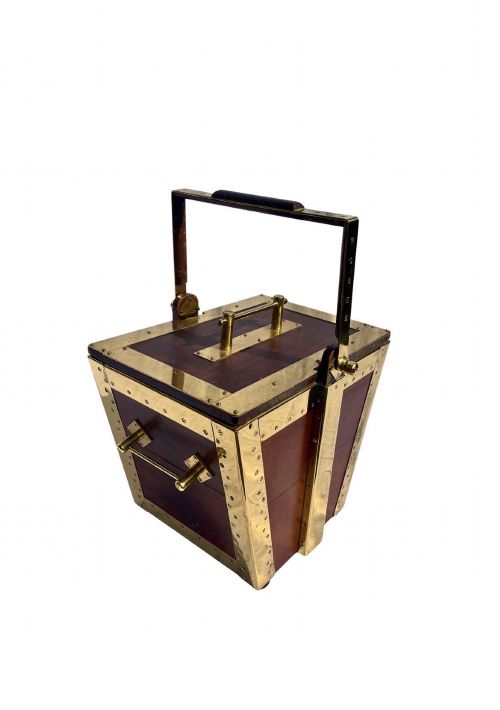
The forms span log bins, coal buckets, scuttles, and boxes originating across the nineteenth century. Many feature distinctive metal joining techniques that reveal their functional purpose.
Materials and construction
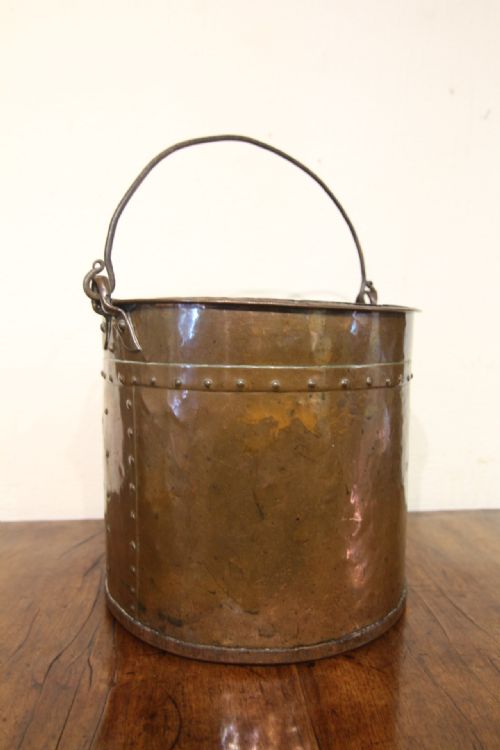
Makers utilised sheet copper, brass, and iron, shaping them into cylindrical, oval, or bucket forms for domestic hearth use. Wrought iron provided sturdy handles for lifting heavy loads of fuel.
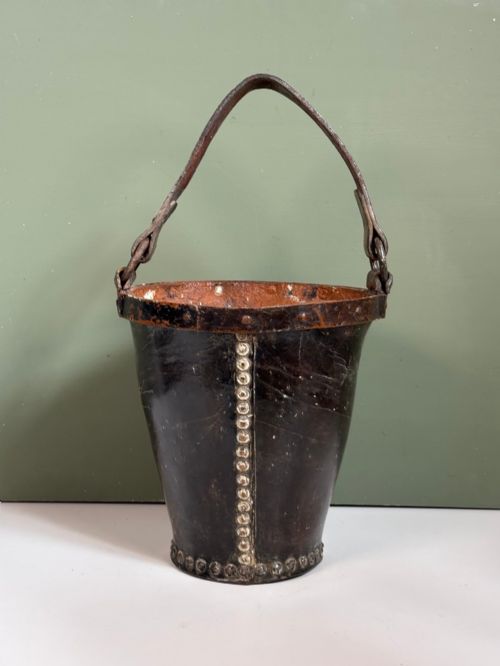
Visible rivets secured the seams of these metal containers, creating a strong industrial finish. Some variations incorporated boiled leather or wood elements within the wider range of domestic fireplace accessories.
Victorian Riveted Coal Container Retail Price Guide 2026
Typical asking prices for victorian riveted coal container among the pieces listed under this phrase on Sellingantiques today, from the lower quarter to the upper quarter. They describe what is for sale here now, not the wider market.
Listings feature items from the nineteenth century, including specific dates across the eighteen-fifties, sixties, seventies, eighties, and nineties, up to nineteen hundred.
Judging quality in these containers
The distinction between standard utility items and finer pieces rests in the weight of the metal and the regularity of the riveting. Substantial gauge copper or brass maintains its structural integrity better under the daily strain of heavy coal or logs.
Details such as forged wrought iron handles and well-fitted components separate utilitarian storage from pieces showing deliberate Arts and Crafts or industrial design consideration.
The Victorian Riveted Coal Container Glossary
- Riveted
- Joined with metal pins whose ends are hammered flat to secure overlapping sheets. This technique provided immense strength for vessels carrying heavy loads.
- Coal scuttle
- A bucket or container specifically shaped with a lip or scuttle for pouring fuel onto a fire. These often included pivoting handles for easier tipping.
- Log bin
- A large vessel used primarily for storing firewood beside a hearth. They frequently appear in heavy copper or iron.
- Arts and Crafts
- A design movement valuing handcraftsmanship and visible construction methods. Pieces from this style often display honest materials like hammered copper and exposed rivets.
Victorian Riveted Coal Container: Frequently Asked Questions
What is a riveted coal container?
A riveted coal container is a heavy metal vessel made during the nineteenth century to hold solid fuel beside a fireplace. They were built for daily domestic utility.
Constructed from sheet copper, brass, or iron, these containers used exposed metal rivets along the seams to ensure durability under the weight of coal or logs.
How were these containers used?
These pieces sat by the hearth to store coal, coke, or logs ready for the fire. Their sturdy handles allowed servants or homeowners to carry fuel from outdoor stores into living rooms.
Over time, many of these containers transitioned from active coal service to holding fireplace accessories or acting as large plant pots.
Are copper and brass versions original?
Copper and brass were standard materials for nineteenth-century fireside vessels, chosen for their appearance and resistance to corrosion. Many surviving examples retain their original metal composition.
Makers combined these metals with wrought iron handles or iron frames, particularly in pieces influenced by Arts and Crafts design.
How do I date a coal container?
Dating relies on observing material choices, manufacturing techniques, and stylistic markers such as Arts and Crafts influences. Most examples on this page date from the nineteenth century up to nineteen hundred.
Examining the construction of the rivets and the form of the handles helps distinguish Victorian production from later revival pieces.