



Victorian Rise and Fall
These Victorian rise and fall pieces are adjustable items designed for practical utility in period rooms, offering mechanical movement and traditional materials.
Victorian Rise and Fall
When you search for victorian rise and fall, you are looking at adjustable furnishings and light fittings that move vertically to suit the user. The selection spans seating, lighting, and serving furniture rather than a single domestic category.
You are most likely to meet mahogany and walnut pieces from the nineteenth century on this page. These include standard lamps, pendant lights, swivel chairs, and tiered buffets.
The objects cross several related design movements, including William IV, Victorian, Arts and Crafts, and Edwardian styles. Each version uses a mechanical mechanism to alter its height during daily use.
How they were made
The construction relies heavily on dense timbers like mahogany, walnut, and rosewood, often enhanced with boxwood inlay or brass hardware. Structural joinery and metal mechanisms work together to allow smooth vertical movement.
Lighting examples combine spun or cast brass with glass components and fabric elements, sometimes wired with modern fabric cable. Wood furniture utilises turning, carving, and tiered shelving frames to support the shifting weight.
Victorian Rise and Fall Retail Price Guide 2026
Typical asking prices for victorian rise and fall among the pieces listed under this phrase on Sellingantiques today, from the lower quarter to the upper quarter. They describe what is for sale here now, not the wider market.
Some chairs refuse to stay at the height you choose, insisting on a slow, dramatic return to the floor.
What varies in quality
Quality rests in the precision of the mechanical action and the integrity of the timber. A superior piece operates smoothly without slipping, maintaining its position securely at any height.
The refinement of secondary materials, such as boxwood inlay, cast brass fittings, and turned rosewood details, separates standard utility items from finer examples produced by established makers.
Osler
The Victorian Rise and Fall Glossary
- Rise and fall
- A mechanism allowing a fitting or piece of furniture to be adjusted vertically. This movement is commonly found on pendant lamps and piano stools.
- Dumbwaiter
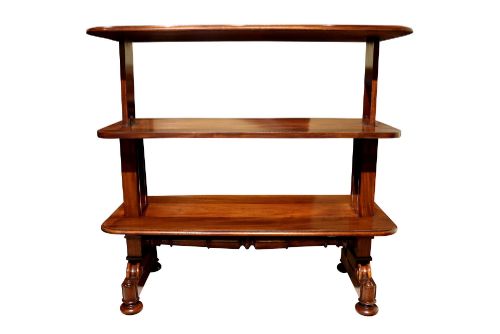
- A tiered serving piece used in dining rooms for holding dishes. The examples here include adjustable tiers.
- Davenport
- A small compact desk featuring a sloping writing surface and internal drawers. Walnut versions often incorporate pop-up mechanisms.
- Arts and Crafts
- A design movement prioritising traditional craftsmanship and honest materials. Pieces in this style display simpler, functional lines.
Victorian Rise and Fall: Frequently Asked Questions
What is a rise and fall light?
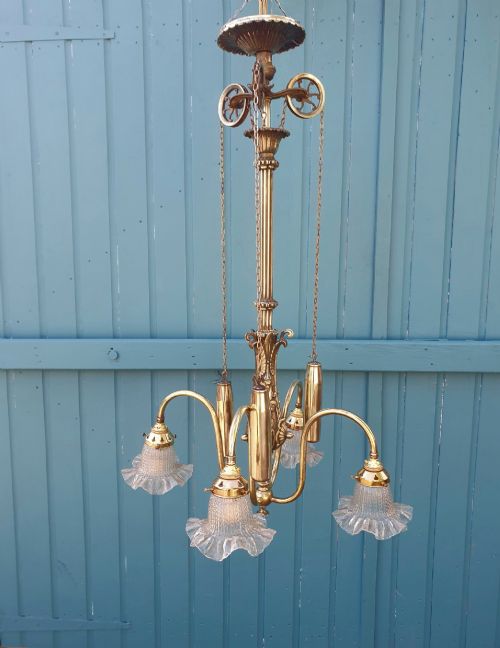
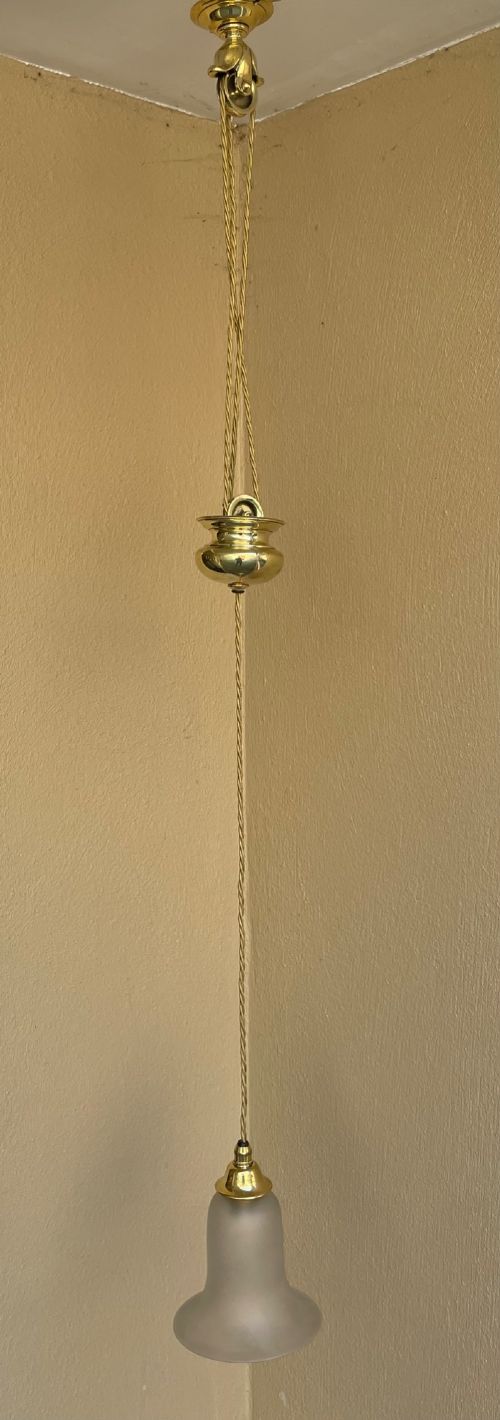
A rise and fall light is a pendant fitting suspended on a weighted pulley system or mechanism. This allows the user to lower or raise the shade over a table or desk.
The design provides adjustable illumination without needing fixed wiring changes. Brass and glass are common materials found on these hanging fixtures.
How do adjustable piano stools work?
Adjustable piano stools use a central screw or mechanical rise and fall mechanism operated by turning the seat or a side handle. This alters the height for the pianist.
Rosewood and mahogany are typical woods used for these pivoting or sliding seats. They often feature upholstered tops covered in fabric.
What is a metamorphic dumbwaiter?
A metamorphic dumbwaiter is a multi-tiered serving piece that adjusts in height or configuration for dining use. The tiers hold plates and dishes during meals.
These items are usually constructed from mahogany or walnut. The mechanical action allows the shelves to move up and down.
How to date Victorian and Edwardian furniture?
Dating these items involves examining the timber species, construction methods, and hardware styles. Victorian pieces tend to use dense hardwoods like rosewood and mahogany.
Edwardian items often show lighter woods and different joinery techniques. Maker attribution, when present, also helps establish the period.