






Victorian Repousse Silver Frame
These Victorian repousse silver frame pieces bring heavy-relief chasing to domestic photographs and mirrors.
Victorian Repousse Silver Frame
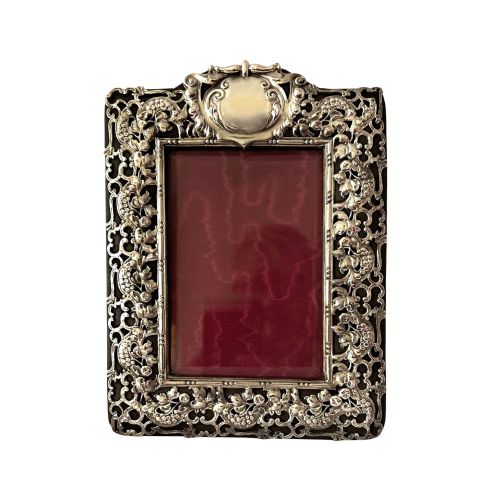
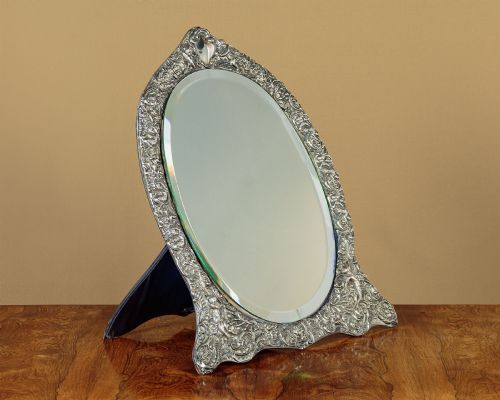
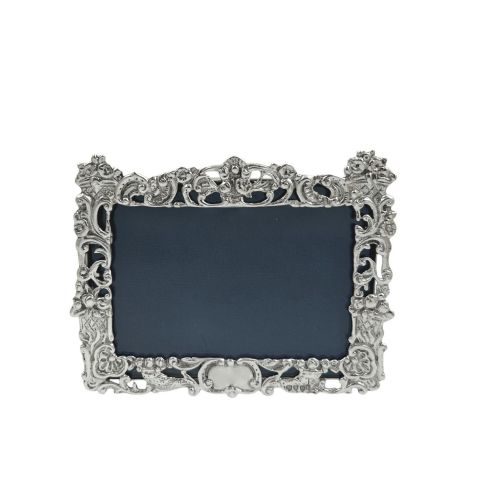
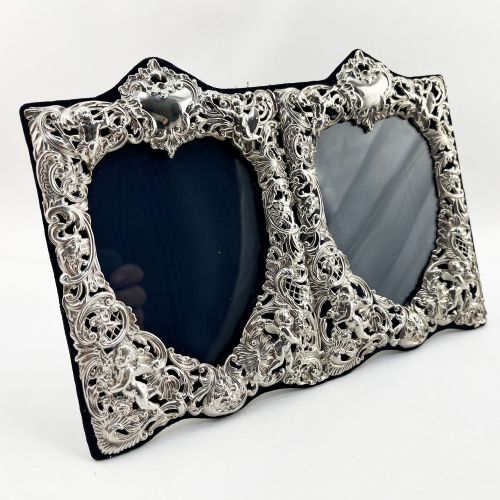
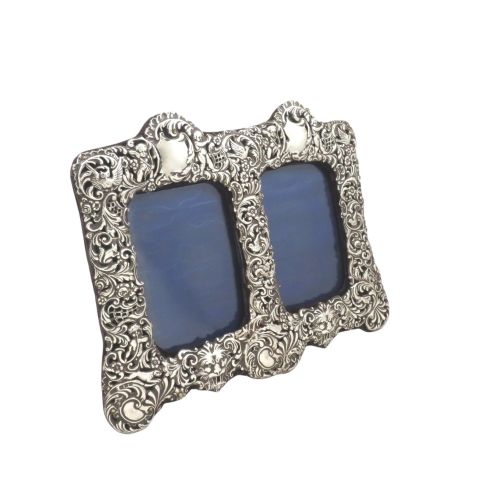
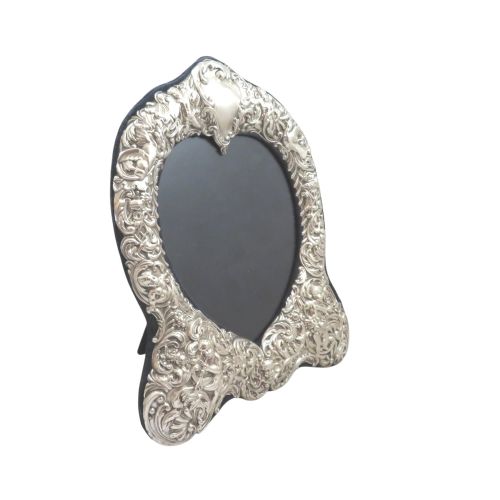
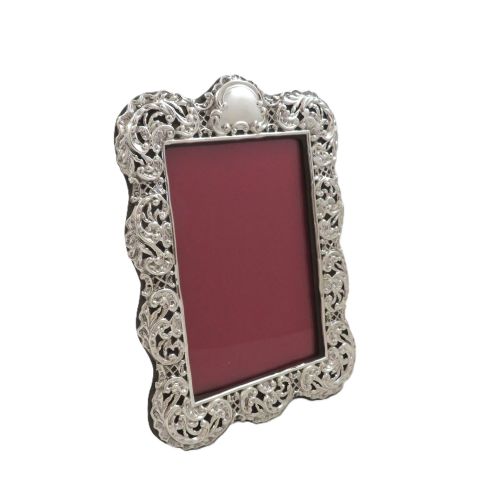
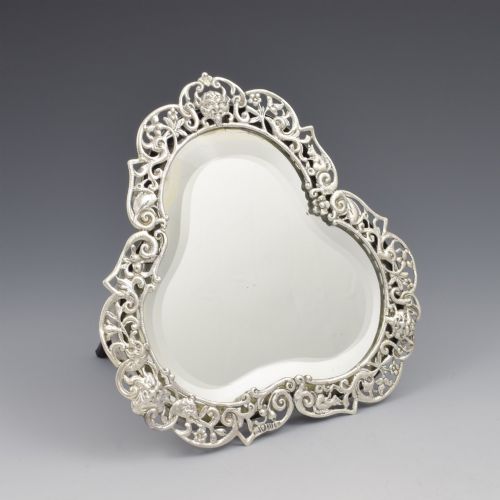
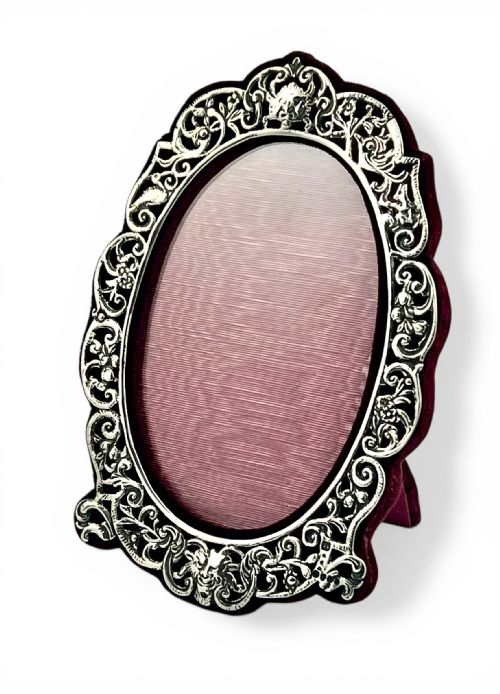
A victorian repousse silver frame serves to display photographs, pictures, and mirrors with hammered surface decoration. You meet these pieces mostly in sterling silver, shaped into hearts, ovals, and rectangles alongside easel table mirrors and wall plaques.
The objects span the nineteenth century into the Edwardian era and the nineteen-thirties, reflecting periods like Late Victorian and Arts and Crafts. Makers fashioned them with integral wooden backs, velvet linings, glass panes, and brass struts to support their weight on a surface.
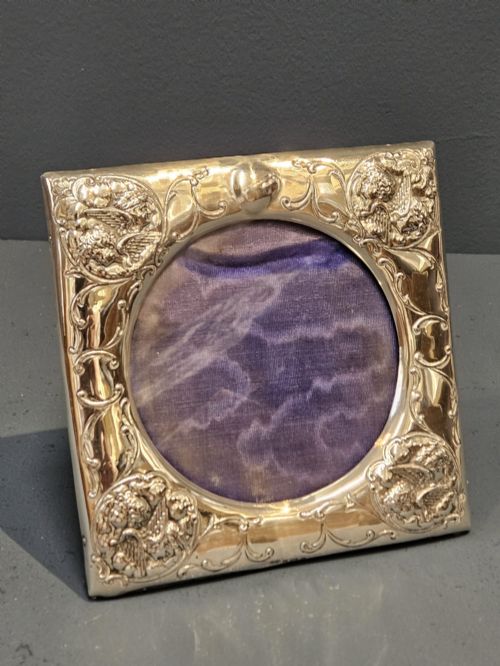
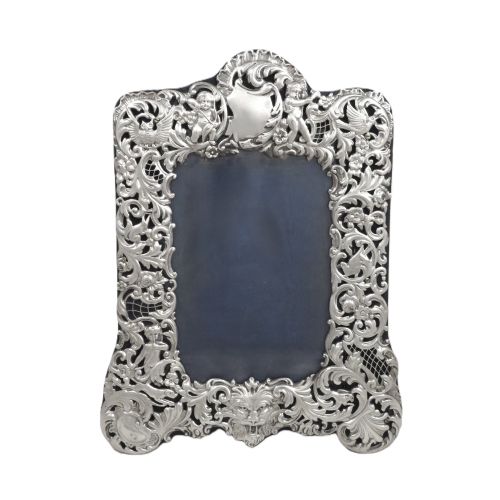
Motifs run from Reynolds angels and cherubs to owls, birds, dogs, and pierced Art Nouveau foliage. The forms function primarily as desk accessories, dressing table mirrors, and tabletop display pieces rather than architectural wall hangings.
How they were made
Silversmiths hammered sterling silver sheets from the reverse side to push the metal outward into high relief, a technique known as repousse. They then refined the details from the front using chasing tools to create depth in the cherubs, angels, and birds.
Makers mounted the finished silver front onto oak or other wood foundations, lining the interiors with velvet and backing the display apertures with glass. Structural stability relied on brass easel stands and wooden struts fitted securely to the back.
Victorian Repousse Silver Frame Retail Price Guide 2026
Typical asking prices for victorian repousse silver frame among the pieces listed under this phrase on Sellingantiques today, from the lower quarter to the upper quarter. They describe what is for sale here now, not the wider market.
Angels, owls, and dogs peer out from the silver metalwork, keeping watch over your desk.
What varies in quality
Depth and crispness of the hammered relief separate standard production from superior examples, as deep chasing preserves the anatomy of cherubs and the detail of feathers after decades of polishing. The weight of the sterling silver sheet dictates durability and resistance to buckling around the edges.
The complexity of the chased subject matter influences the standard, with multi-figure scenes involving angels and animals requiring greater skill than simple borders. Original backing materials, intact glass, and sturdy structural struts indicate better preservation and original craftsmanship.
William Comyns·Henry Matthews·Walker & Hall
The Victorian Repousse Silver Frame Glossary
- Repousse
- Metalworking technique where the smith hammers sheet metal from the reverse to form a raised design on the front. It creates tactile surface texture.
- Sterling silver
- Alloy of silver containing 92.5 percent pure silver and 7.5 percent other metals, usually copper, ensuring structural strength for decorative items.
- Easel mirror
- A tabletop mirror supported by a hinged rear strut rather than hung on a wall. These objects allow adjustable angles for dressing tables.
- Reynolds angels
- The winged cherub motifs adapted from the paintings of Sir Joshua Reynolds. They appear frequently on frames of this period.
- Chasing
- Working metal from the front by sinking the surface with punches to sharpen details after repousse work. It defines lines and textures.
Victorian Repousse Silver Frame: Frequently Asked Questions
How do I clean a silver frame?
Clean sterling silver surfaces gently with a soft microfibre cloth and a mild, specialised silver polish to avoid flattening the repousse relief. Prevent polish from entering the recessed crevices or touching the surrounding velvet and wood.
Store these objects away from direct moisture and high humidity to protect the internal wooden backing and prevent the velvet lining from degrading over time.
Can these frames hold modern photographs?
Many historical dimensions differ slightly from modern photographic prints, so you may need to trim pictures marginally to fit the aperture behind the glass. The original backing boards and securing clips accommodate paper thickness typical of the period.
Take care when sliding the backing panel out, as older wooden retainers and dried adhesives can become brittle with age.
How do I date a silver frame?
Examine the hallmarks stamped on the silver border, which indicate the assay office, standard mark, and date letter assigned to the year of manufacture. London and Birmingham assay offices appear frequently on these pieces.
Style indicators such as heart shapes, Reynolds angels, and pierced Art Nouveau elements also help narrow the production era alongside structural clues like oak backs.
Are the easel backs original?
Original easel stands usually match the wood species and hardware style typical of late nineteenth-century workshop production. Replacements often show modern screws or mismatched timber.
Inspect the hinge attachments to confirm they integrate with the original velvet or wooden backing structure without unauthorized alterations.