





Victorian Religious Carving
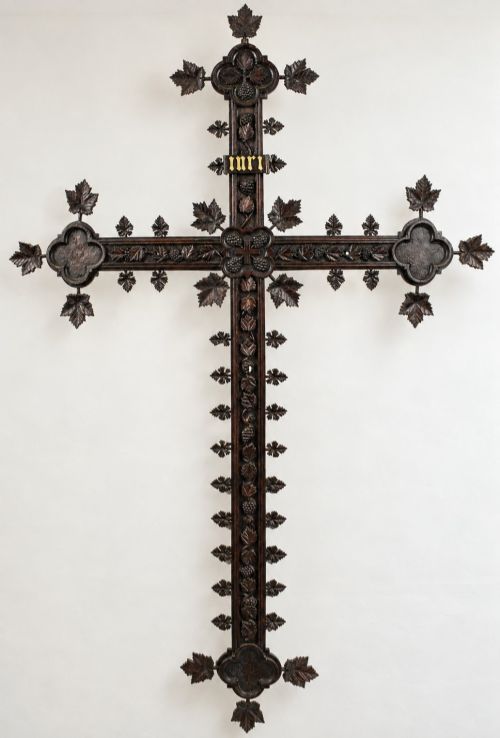
These Victorian religious carving pieces bring devotional focus and intricate craftsmanship into domestic spaces.
Victorian Religious Carving
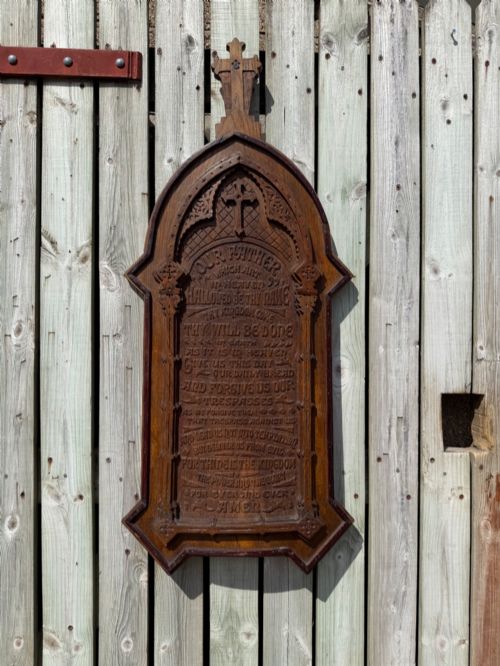
Victorian religious carving encompasses devotional furniture, architectural studies, and small personal pendants created during the nineteenth century. Buyers searching this phrase encounter items ranging from substantial oak prayer desks and prie-dieu chairs to miniature shell carvings and wooden figures.
The most common forms on this page include prayer chairs upholstered in velvet alongside carved studies of saints, monks, and biblical figures. Pieces frequently display Gothic Revival influences, connecting domestic devotion with ecclesiastical architecture.
Origins span British workshops as well as continental sources such as French and Italian makers. Smaller devotional objects, including carved mother of pearl plaques and crucifix lockets, sit alongside larger folk art models and architectural representations.
Materials and methods
Timbers such as oak, walnut, pine, and rosewood form the structural foundation for larger furniture and figurative sculptures. Artisans utilised hand-carving techniques to shape detailed drapery and facial expressions on wooden studies of saints and angels.
Delicate works rely on organic materials, including cowrie shell, mother of pearl, horn, and bone. Micro-carving tools allowed craftsmen to incise lengthy texts like the Lord's Prayer onto diminutive surfaces.
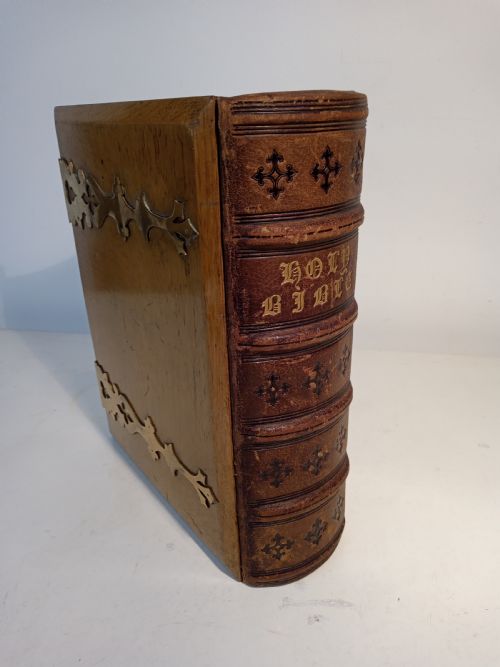
Metals such as brass, silver, and gilt bronze appear in crucifixes, lockets, and structural mounts. Upholstered seating incorporates textiles like green velvet combined with ebonised wood frames.
Victorian Religious Carving Retail Price Guide 2026
Typical asking prices for victorian religious carving among the pieces listed under this phrase on Sellingantiques today, from the lower quarter to the upper quarter. They describe what is for sale here now, not the wider market.
Listings span the nineteenth century, featuring oak, walnut, pine, brass, leather, glass, paint, and shell.
Assessing the work
The architectural integrity of larger furniture, such as prayer desks and prie-dieu chairs, distinguishes finer examples from simpler utilitarian items. Proportion, balanced proportions, and integrated Gothic Revival ornament elevate the piece.
Material selection dictates the upper tier of the range, where flawless mother of pearl, dense hardwoods, or precious metals align with exceptional execution. Lesser items rely on standard commercial production with minimal hand finishing.
The Victorian Religious Carving Glossary
- Prie-Dieu
- A devotional piece of furniture designed for prayer, functioning either as a low chair with a top shelf or a dedicated desk and kneeler. These items often feature Gothic Revival detailing.
- Gothic Revival
- An architectural and decorative style popular during the Victorian era that revived medieval pointed arches, tracery, and vertical emphasis. This aesthetic heavily influences ecclesiastical furniture and carvings.
- Folk Art
- Objects created by self-taught or traditional artisans outside academic traditions, encompassing idiosyncratic wooden models and vernacular devotional items. These pieces reflect regional craftsmanship.
- Veil of Veronica
- A traditional Christian image associated with the cloth used by Saint Veronica to wipe the face of Jesus. Such subjects appear on devotional plaques and carved panels.
- Ecclesiastical
- Relating to the Christian Church or its clergy, describing items originally commissioned for worship spaces or private chapels. The term covers both large furniture and small devotional aids.
Victorian Religious Carving: Frequently Asked Questions
What is a prie-dieu?
A prie-dieu is a specialised piece of furniture intended for personal prayer, typically combining a kneeling platform with an armrest or a sloping shelf for devotional books.
Victorian examples often incorporate Gothic Revival ornamentation, carved oak frames, and upholstered elements such as velvet panels.
How were shell carvings made?
Craftsmen utilised microscopic steel tools to incise incredibly detailed texts and imagery onto natural surfaces like cowrie shells and mother of pearl.
This painstaking work required steady hands and magnifying lenses, resulting in miniature relief carvings such as the Lord's Prayer.
Where were these pieces used?
Devotional carvings and furniture were housed in domestic bedchambers, private chapels, and quiet studies for personal contemplation.
Larger prayer desks served daily spiritual routines, while wearable lockets and pendants allowed individuals to carry religious symbols throughout the day.
How do I identify Gothic Revival style?
Gothic Revival items display architectural motifs borrowed from medieval churches, including pointed arches, trefoils, tracery, and heavy carved mouldings.
In Victorian religious pieces, these elements appear on chair backs, furniture crestings, and structural supports.
What materials are most common?
Oak and walnut dominate the larger furniture and figurative wood sculptures, providing sturdy foundations for deep relief carving.
Smaller devotional objects frequently utilise mother of pearl, shell, bone, and precious metals like silver and gold.