



Victorian Reception Furniture
Victorian reception furniture brings character to an entrance or greeting space through solid timber hall benches, carved walnut salon suites and sturdy shop counters.
Victorian Reception Furniture
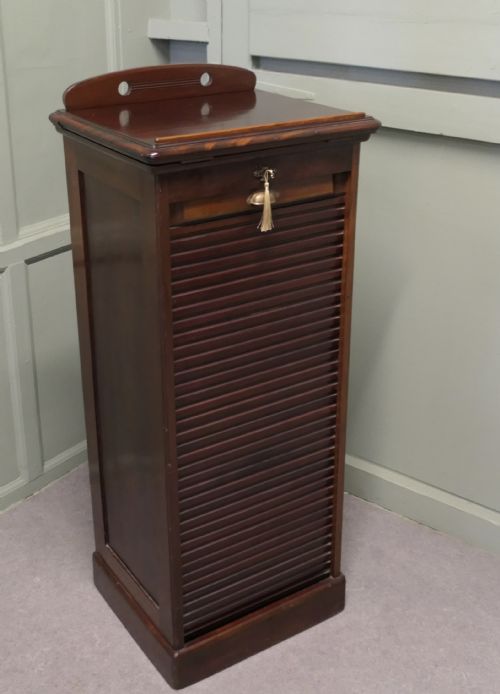
Victorian reception furniture comprises pieces designed to furnish entrance halls, greeting areas, and front-of-house spaces, spanning the nineteenth century up to the early twentieth century. Buyers seeking this category encounter an array of utilitarian and formal forms, ranging from country house greeting stations and shop counters to oak stick stands and pedestal filing cabinets.
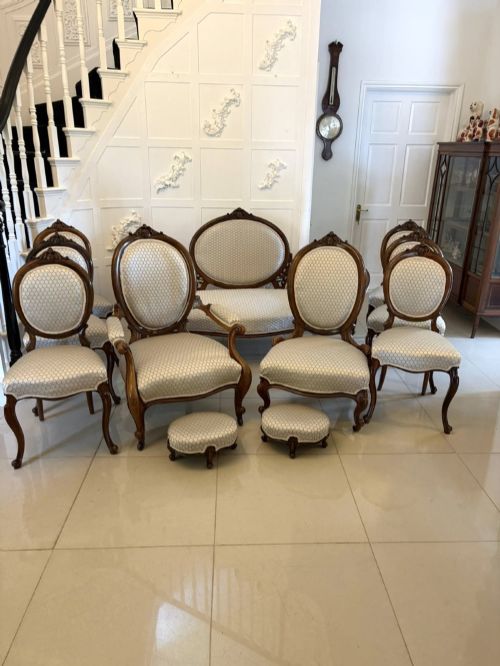
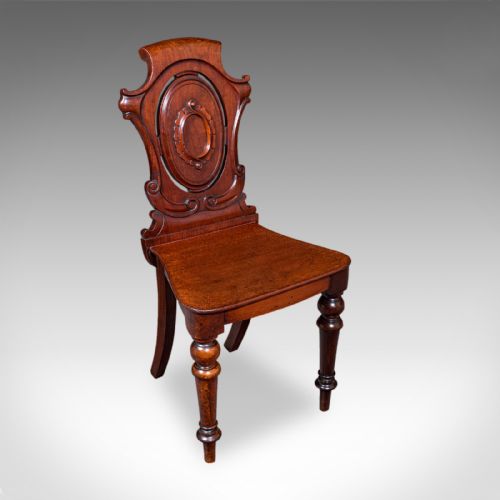
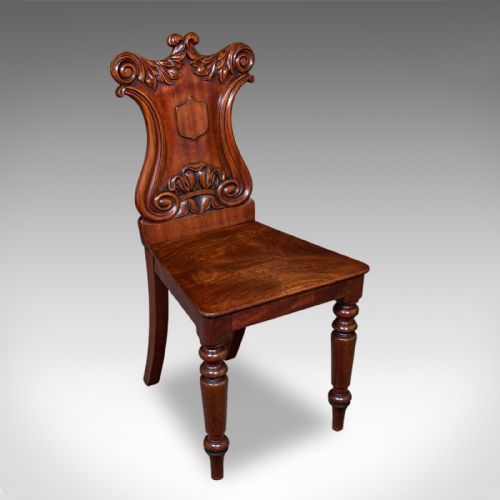
The selection on this page relies heavily on seating and display pieces originating from English and Scottish workshops. Pieces such as walnut hall chairs with shield backs, carved oak baronial settles, and eleven-piece salon suites illustrate the dual requirement for functional guest hospitality and impressive domestic display during the period.
How these pieces were made
Makers constructed these items primarily in solid hardwoods such as walnut, oak, and mahogany, alongside painted pine and ebonised wood. Joinery techniques relied on sturdy framing to withstand high-traffic entranceway use, while secondary materials like brass hardware, textiles, and applied paint surfaces finished the designs.
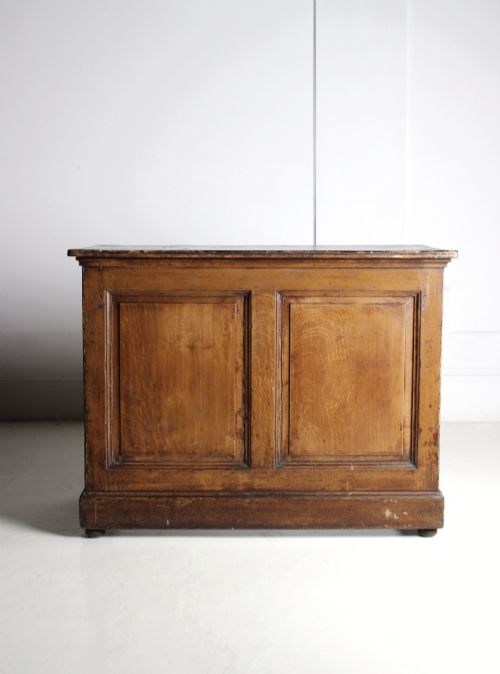
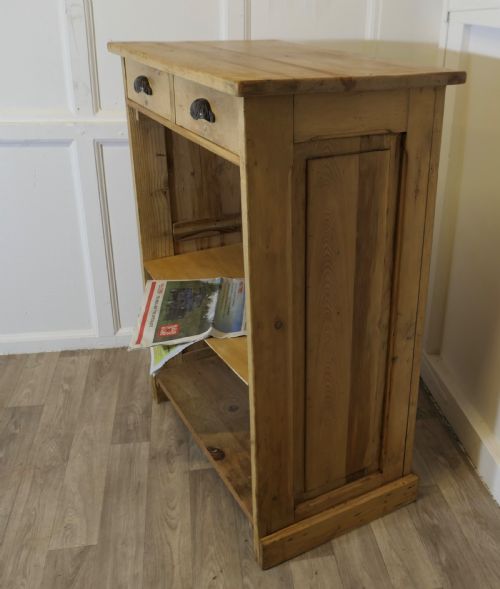
Decorative work on these pieces incorporates deep relief carving, particularly visible on Scottish baronial settles and walnut drawing room seating. Some utilitarian forms, such as shop counters and greeting stations, utilise simpler pine construction finished with painted faux oak effects to mimic costlier timbers.
Victorian Reception Furniture Retail Price Guide 2026
Typical asking prices for victorian reception furniture among the pieces listed under this phrase on Sellingantiques today, from the lower quarter to the upper quarter. They describe what is for sale here now, not the wider market.
Functional forms range from shop counters and pedestal filing cabinets to domestic hall benches, stick stands, and complete eleven-piece salon suites.
What varies in quality
Quality in this category rests upon the selection of timber and the ambition of the original design, distinguishing utilitarian pine counters from intricately carved walnut salon suites and Scottish shield-back chairs. Superior examples display crisp, deep carving and cohesive stylistic integration across multi-piece suites.
The integrity of the construction and the preservation of original finishes determine the standing of an individual piece within its type. Items retaining their period textiles, brass fittings, and uncompromised structural joinery command greater appreciation than those altered or stripped of their original character.
The Victorian Reception Furniture Glossary
- Settle
- A wooden bench with a high back, solid arms, and often a storage compartment beneath the seat. These heavy oak pieces served to block drafts in entrance halls.
- Salon suite
- A matching set of seating furniture, typically comprising a sofa, armchairs, and side chairs intended for formal entertaining. Walnut was frequently utilised for these grand domestic groups.
- Stick stand
- A narrow, upright piece designed for holding umbrellas and walking sticks, often incorporating a metal drip tray. Examples from the Arts and Crafts period utilise solid English oak.
- Shield back
- A chair back carved in the distinctive outline of a heraldic shield. This formal shape appears on nineteenth-century walnut reception and side chairs.
- Ebonised wood
- Timber treated with chemical stains or dark paint to imitate costly ebony. This dark finish was popular during the Victorian era for accentuating fine carved details.
Victorian Reception Furniture: Frequently Asked Questions
What pieces count as reception furniture?
This category includes items intended for entrance halls, greeting stations, and waiting areas, encompassing hall chairs, settles, counters, and umbrella stands.
Such forms bridge domestic hospitality and commercial utility, designed to greet visitors efficiently while maintaining the distinct aesthetic of the nineteenth century.
Where were these pieces used originally?
They furnished the entranceways, hallways, and reception rooms of grand country houses, hotels, restaurants, and domestic villas.
Commercial variants like shop counters and greeting stations served businesses, while settles and stick stands managed arrivals in large residential halls.
How do I style a hall bench at home?
A baronial settle or hall bench anchors a hallway, providing a practical seat for putting on shoes alongside a strong visual focal point.
Pairing the solid oak timber with neutral walls allows the carved details and historic proportions to stand out without cluttering the entrance space.
How do I identify Arts and Crafts pieces?
Arts and Crafts pieces emphasise honest construction, visible joinery, and simpler functional forms executed in solid timbers like English oak.
They move away from heavy surface ornament towards sturdy, utility-focused designs that prioritize the natural grain and strength of the wood.