



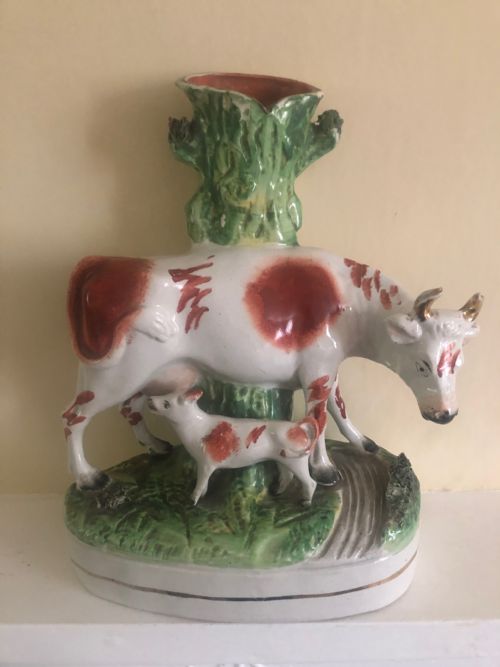


Victorian Pottery Cow
These Victorian pottery cow figures and creamers bring domestic charm to the mantelpiece, offering a glimpse into nineteenth-century rural sentiment.
Victorian Pottery Cow
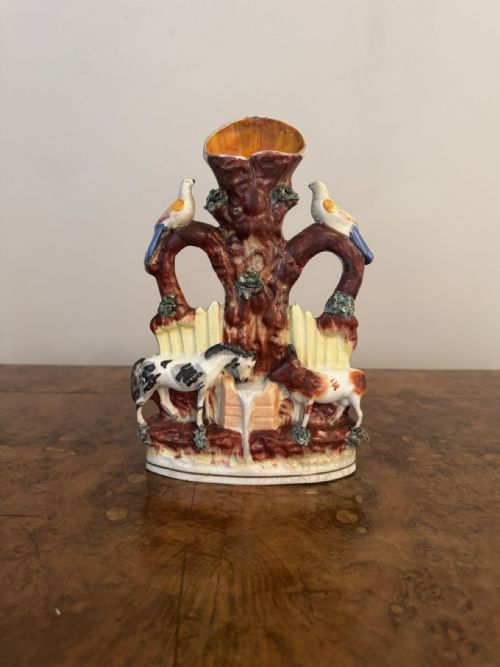
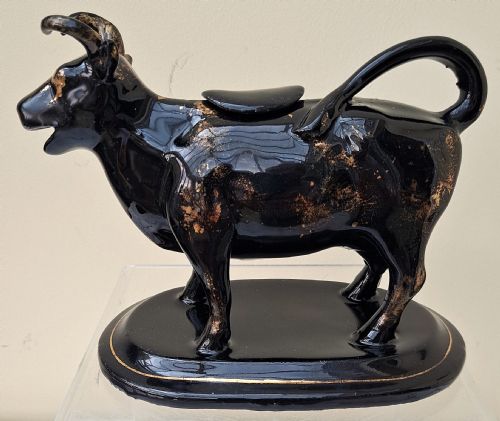
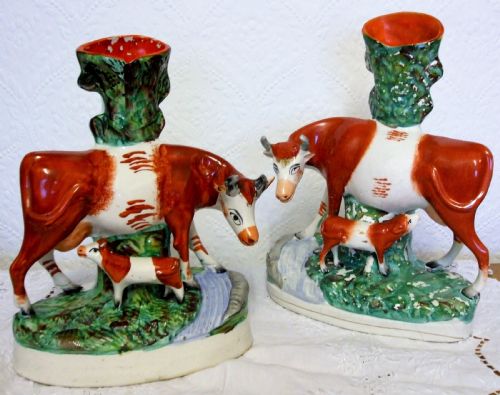
A victorian pottery cow figure or creamer embodies the rural ideals of the nineteenth century, taking the form of dairy cattle often paired with calves, milkmaids, or milkmen. The most frequent iteration on this page is the Staffordshire pottery cow creamer, designed with a removable lid and a pouring mouth, alongside spill vases intended to hold fireplace matches.
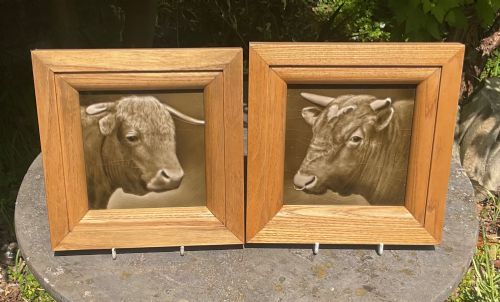
Makers produced these ceramics as functional tableware and mantelpiece ornaments across the nineteenth century, frequently modelling them in pairs or group figures. Pieces range from simple earthenware creamers finished in blue and white or brown glazes to elaborate flatback spill holders and framed tiles.
Collectors encounter figures originating from English potteries, spanning simple domestic utensils to decorative ornaments featuring herdsmen. The forms capture a romanticised view of agricultural life that proved immensely popular in Victorian parlour rooms.
How They Were Made
Potters shaped these animals using earthenware and glazed ceramic bodies, often applying enamel colours and gilt highlights to surface details. Many examples utilise moulded earthenware finished with glossy or metallic surface treatments.
The Jackfield pieces receive a distinctive dark glossy black glaze over the ceramic body, creating a striking metallic sheen. Other versions employ hand-painted enamels over white or coloured glazes to define the markings of the cattle and the attire of the attendant milkmaids.
Victorian Pottery Cow Retail Price Guide 2026
Typical asking prices for victorian pottery cow among the pieces listed under this phrase on Sellingantiques today, from the lower quarter to the upper quarter. They describe what is for sale here now, not the wider market.
Listings feature earthenware, glazed ceramic, and oak wood, spanning the nineteenth century down to nineteen hundred.
What Varies in Quality
Preservation of the original surface finish and any accompanying lids influences the desirability of a creamer. Intact gilding, minimal wear to the enamel colours, and matching pairs elevate certain figures above single utilitarian vessels.
Sherwin and Cotton
The Victorian Pottery Cow Glossary
- Cow creamer
- A ceramic vessel shaped as a cow with a small opening on the back for filling milk and a spout at the mouth for pouring. These pieces combine domestic utility with figurative display.
- Spill vase
- A hollow ceramic holder designed to store taper matches used for lighting lamps and fires. They typically stand behind or beside the main animal figure.
- Flatback
- A ceramic figure modelled primarily for display against a wall or mantelpiece, leaving the reverse side unadorned and partially unglazed. This technique saved time and materials during production.
- Jackfield
- A type of pottery associated with a deep, glossy black glaze over an earthenware body. The finish mimics metal or lacquerware.
- Staffordshire figure
- An ornamental ceramic piece manufactured in the potteries of Staffordshire during the nineteenth century. These objects include both functional creamers and purely decorative groups.
Victorian Pottery Cow: Frequently Asked Questions
What is a cow creamer used for?
These ceramic animals served as functional cream jugs on the Victorian tea table, filled through a small aperture on the animal's back.
Guests would pour milk directly from the creature's mouth into their tea cups during formal gatherings.
How do I date a Staffordshire cow?
Dating relies on stylistic clues, framing techniques, and glaze types characteristic of the nineteenth century. Pieces often exhibit the flatback construction typical of the Victorian period.
Changes in enamel palettes and the presence of specific maker inscriptions help narrow the timeframe.
Where were these pottery figures made?
The majority of these ceramics originated in the various kilns and potteries operating across nineteenth-century England. Staffordshire established itself as the primary centre for this type of figural earthenware.
Specific firms also produced related decorative tile works for domestic display.