



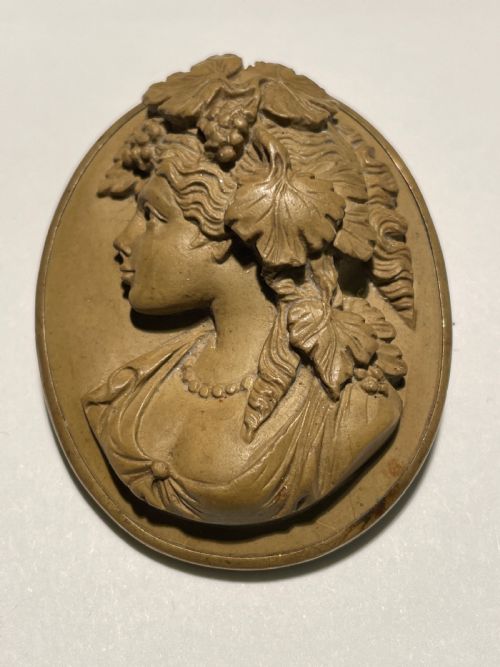
Victorian Portrait Pin
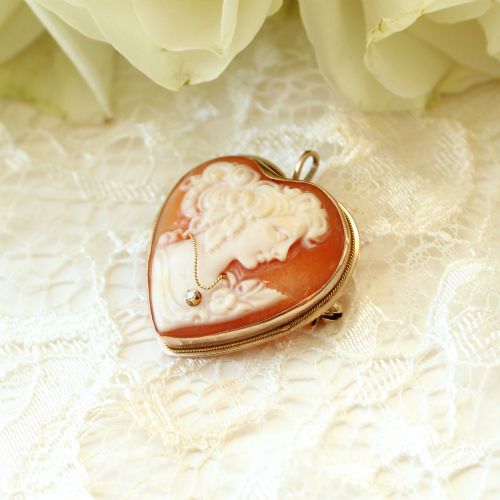
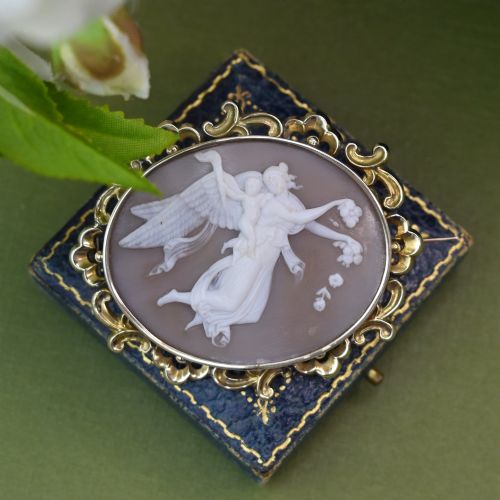
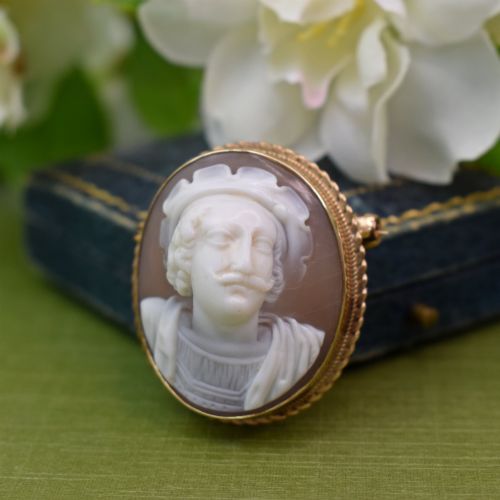
These victorian portrait pin pieces are miniature carved reliefs and likenesses mounted in gold, offering wearable historic art that connects you directly to the nineteenth century.
Victorian Portrait Pin
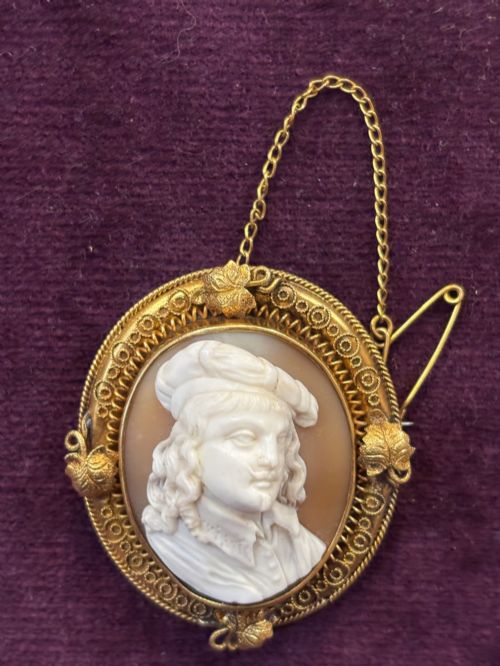
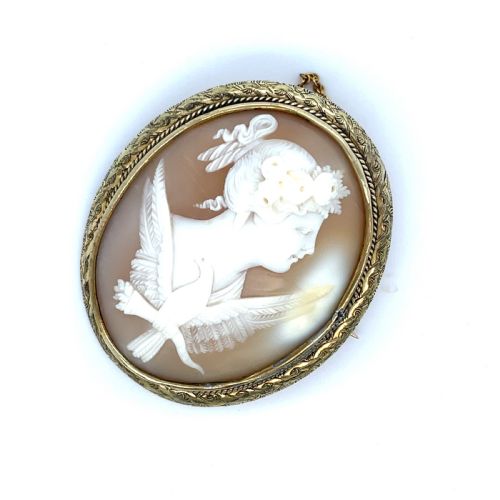
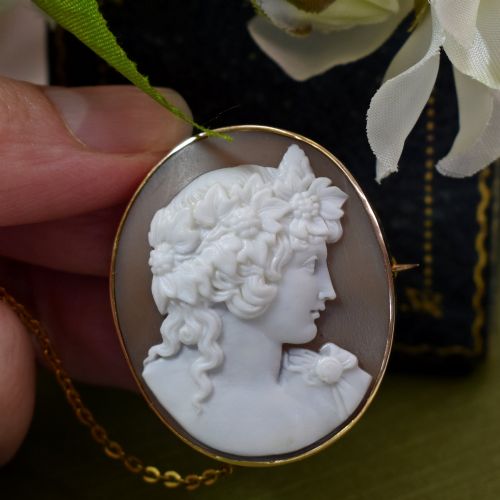
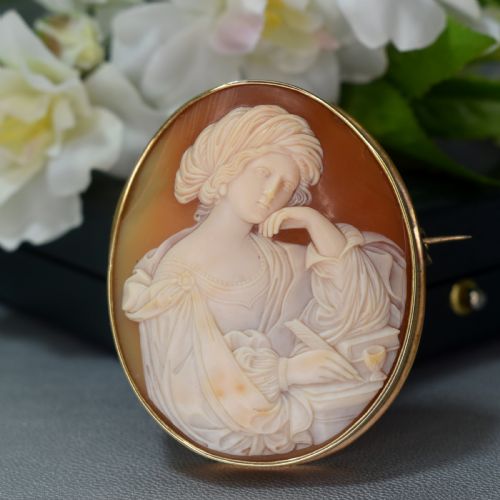
When you search for a victorian portrait pin, you encounter carved likenesses and classical profiles set into secure metal mounts designed to fasten to clothing. These pieces span the nineteenth century, drawing on Regency traditions and extending toward nineteen hundred.
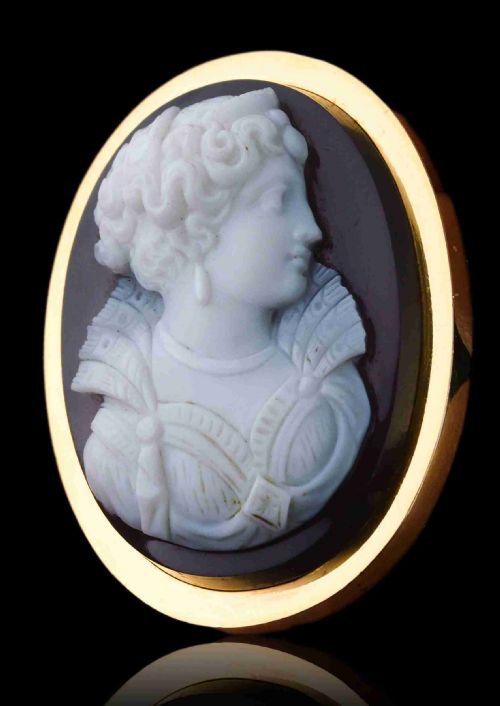
You meet shell cameos depicting mythological figures such as Aphrodite, Antinous Vertumnus, and Goddess Flora, alongside agate and hardstone carvings. French and Italian workshops produced many of these miniature portraits, often inspired by Grand Tour travels and famous paintings.
The format ranges from simple brooches to elaborate suites comprising earrings and matching pins. Frames vary from modest pinchbeck to higher carat gold standards including nine, twelve, fifteen, eighteen, and twenty carat settings.
Materials and construction
Carvers worked primarily in natural shell, layered agate, hardstone, coral, and lava to create relief portraits with contrasting background tones. Artisans utilised the natural strata of the shell or stone to isolate the carved figure in white against a darker backing.
Gold mounts utilise various purities, from nine carat up to twenty carat frames, occasionally incorporating delicate filigree wirework. Pin mechanisms and frames were shaped by hand to secure the fragile carved cameos safely.
Victorian Portrait Pin Retail Price Guide 2026
Typical asking prices for victorian portrait pin among the pieces listed under this phrase on Sellingantiques today, from the lower quarter to the upper quarter. They describe what is for sale here now, not the wider market.
Bonnie Prince Charlie occasionally finds himself immortalised in carved shell, keeping Jacobite loyalties alive long after the forty-five.
Qualities of distinction
Mount construction and gold purity contribute significantly to the overall substance of the piece, with heavier carat settings and intricate filigree indicating higher status. The selection of the shell or hardstone blank, ensuring clean layers without natural flaws, marks the better grade.
The Victorian Portrait Pin Glossary
- Cameo
- A method of carving an object such as a gemstone, shell, or piece of hardstone in relief. This technique relies on contrasting layers of colour to make the subject stand out.
- Hardstone
- A term for semi-precious stones like agate used for carving. These harder materials allow for extremely sharp detail.
- Grand Tour
- A cultural journey of Europe undertaken by wealthy young men and women in the eighteenth and nineteenth centuries. Travellers often returned with carved Italian lava and shell portraits.
- Pinchbeck
- An alloy of copper and zinc developed to imitate gold. It provides a warm golden tone without using precious metal.
- Filigree
- Ornamental work consisting of fine wire twisted into open-work patterns. This technique frequently decorates the surrounding gold frames.
Victorian Portrait Pin: Frequently Asked Questions
What materials make up a victorian portrait pin?
These pieces incorporate carved shell, agate, hardstone, coral, and lava mounted in gold frames ranging from nine to twenty carats. Some examples utilise pinchbeck instead of solid gold.
The portraits themselves rely on the natural colour layers of the material to create contrast between the subject and the background.
How were these portrait pins worn?
Victorian wearers fastened these brooches and pins directly onto garments, shawls, and collars as decorative accessories. They functioned both as personal adornment and as visible expressions of artistic taste.
Certain items formed part of matching sets that included earrings alongside the main pin.
How do I identify the subject of a portrait pin?
Carvings often depict classical figures, mythological characters such as Aphrodite and Flora, or literary subjects like the Persian Sibyl. Contemporary portraits of historical figures also appear.
Examining the specific attributes, hairstyle, and inscriptions helps determine the identity of the person or deity shown.