




Victorian Porcelain Inkwell
A victorian porcelain inkwell brings desk architecture from the nineteenth century onto your writing table.
Victorian Porcelain Inkwell
When you search for a victorian porcelain inkwell, you encounter desk accessories made across the nineteenth century in various European workshops.
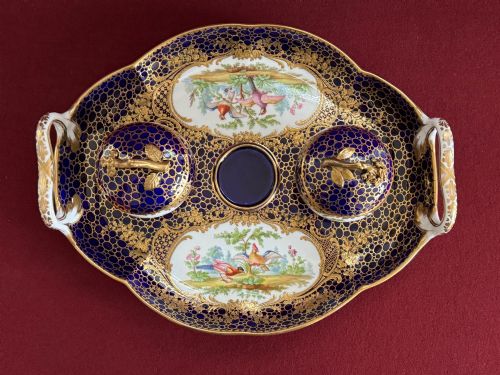
The pieces on this page range from simple glazed pottery vessels to grand French three-piece desk sets with hand-painted porcelain inserts.
You are most likely to meet ceramic and porcelain desk vessels set on brass stands, alongside figural groups such as Staffordshire greyhounds.
How they were made
Potters shaped these desk vessels from ceramic and porcelain, applying detailed glazes and hand-painted motifs in styles from Chinoiserie to Sèvres Revival.
Many bodies combine porcelain with brass or gilt metal bases and mounts, integrating gold leaf and enamel highlights into the finished design.
Victorian Porcelain Inkwell Retail Price Guide 2026
Typical asking prices for victorian porcelain inkwell among the pieces listed under this phrase on Sellingantiques today, from the lower quarter to the upper quarter. They describe what is for sale here now, not the wider market.
Listings feature porcelain, earthenware, and brass across nineteenth-century periods including Regency and Edwardian eras.
What varies in quality
The standard of painting and the crispness of the porcelain moulding separate standard desk items from exceptional studio pieces.
Integration with metal mounts, such as brass bases and stands, dictates the formal weight and balance of the object.
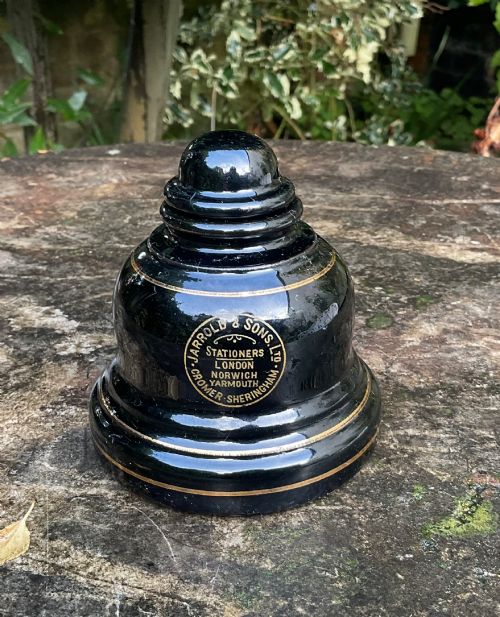
Jarrold & Sons·Minton·Edmé Samson
The Victorian Porcelain Inkwell Glossary
- Porcelain
- A ceramic material fired at high temperatures to produce a vitreous, white body. It forms the primary substrate for fine nineteenth-century desk wares.
- Staffordshire
- A generic term for pottery manufactured in the region of Staffordshire. Figures such as greyhound inkwells originate from these kilns.
- Sèvres Revival
- A decorative style imitating the soft-paste porcelain and rich colour palettes of the eighteenth-century French royal factory. It appears frequently on mid-century inkstands.
- Inkstand
- A complete desk accessory comprising one or more ink pots alongside pen rests and sanders. These larger pieces often include fitted trays.
Victorian Porcelain Inkwell: Frequently Asked Questions
What is a victorian porcelain inkwell?
It is a small desk container made of ceramic or porcelain during the nineteenth century, designed to hold wet ink for a quill or steel pen.
These pieces range from simple glazed pots to elaborate figural designs featuring animals or gilt metal mounts.
How do I use one today?
Many people place them on modern desks as decorative objects or pen holders, though original glass or ceramic liners held the liquid ink.
Care should be taken with historical ceramic glazes when cleaning or placing them on fine wooden furniture.
How can I tell the period?
Dating relies on stylistic clues like aesthetic movement decoration, factory marks, and the combination of porcelain with brass stands.
Early nineteenth-century pieces often show simpler Regency forms, while later examples adopt revivalist or Chinoiserie styles.
What materials are used?
The primary body is ceramic, earthenware, or porcelain, frequently finished with hand-painted details, enamel, and gold leaf.
Many examples incorporate metal elements, including brass bases, gilt metal mounts, and fitted stands.