

Victorian Picture Pair
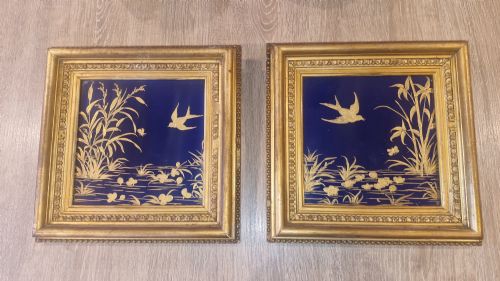
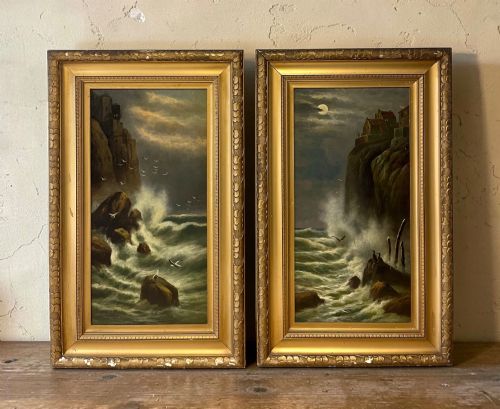
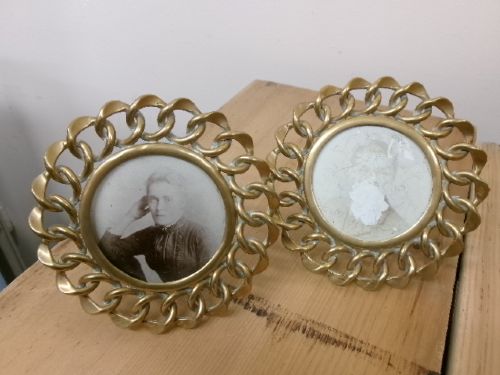
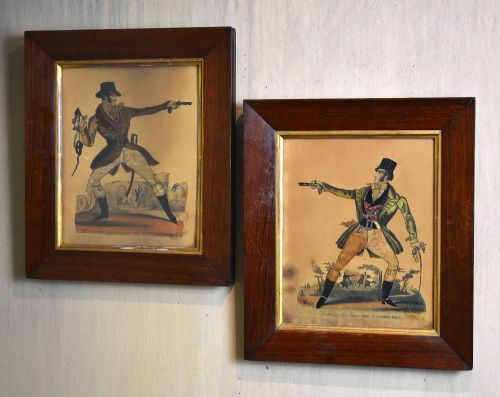
A victorian picture pair brings symmetry and balance to a room, offering matching artworks or frames designed to be hung together.
Victorian Picture Pair
A victorian picture pair consists of twin artworks, mirrors or frames created during the nineteenth century to hang side by side. These matched groupings bring formal balance and visual harmony to domestic interiors.
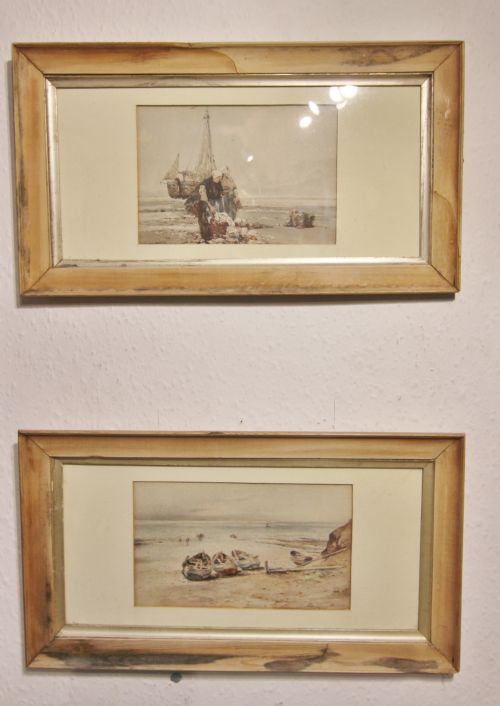
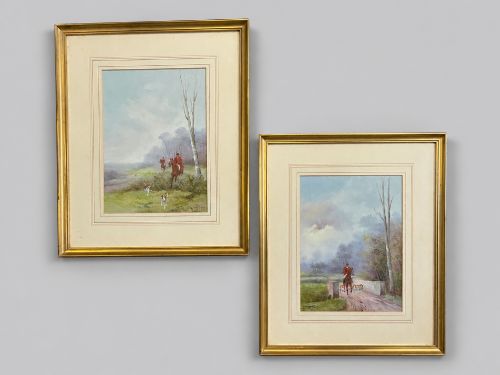
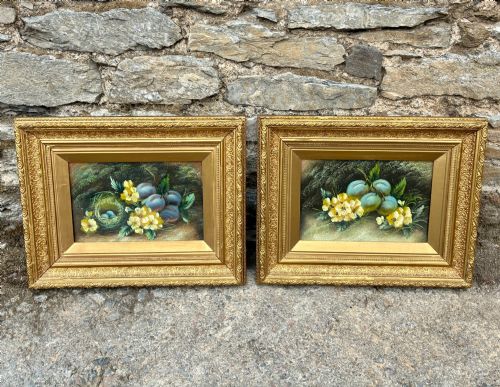
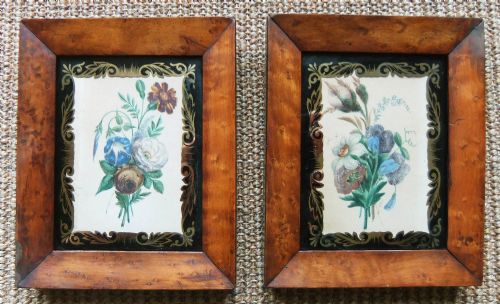
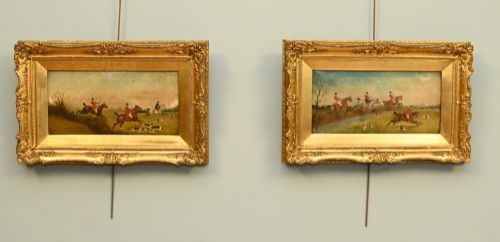
The selections on this page span oil paintings, watercolours, prints, photographs and textiles housed in timber, giltwood or gesso surrounds. Buyers frequently encounter agricultural scenes, sporting art, portraiture and botanical studies.
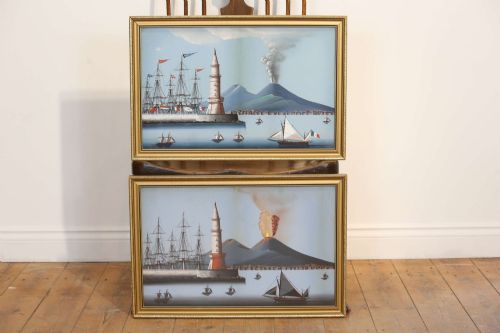
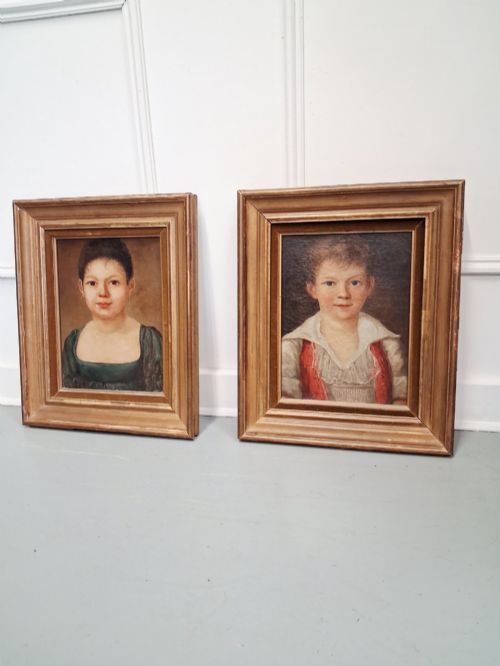
Many pairs unite portraits of children or animals, while others feature architectural views, marine subjects and floral compositions. Each set relies on complementary sizing, palette and subject matter to maintain visual equilibrium.
Materials and construction methods
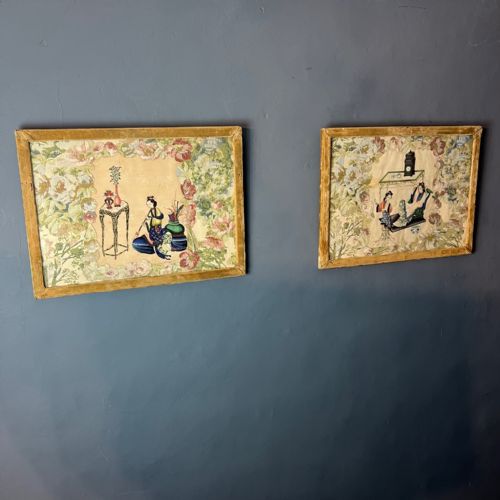
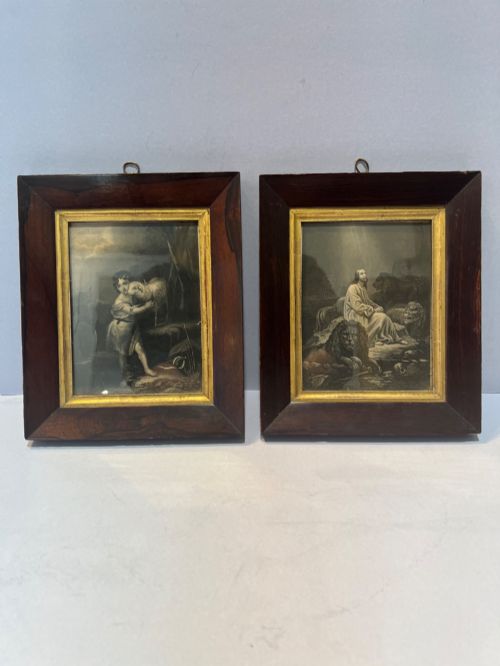
Makers utilised oil paint on canvas or board, watercolour on paper, silk embroidery and printed media set within protective glass. Frames were constructed from timber, including rosewood and carved giltwood, sometimes finished with moulded gesso detailing.
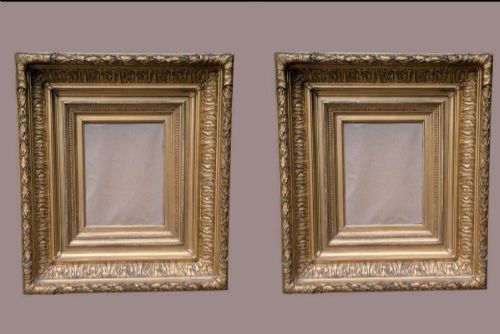
Workshops applied gold leaf over gesso grounds for opulent wall mirrors and picture surrounds, while simpler pieces relied on polished wood or leather. Textiles such as silk bookmarkers and embroideries required meticulous hand stitching.
Painters and printmakers produced matching compositions using traditional nineteenth-century studio practices to ensure consistent scale, colouration and tone across both items in the pair.
Victorian Picture Pair Retail Price Guide 2026
Typical asking prices for victorian picture pair among the pieces listed under this phrase on Sellingantiques today, from the lower quarter to the upper quarter. They describe what is for sale here now, not the wider market.
Represented forms include oil paintings, watercolours, engravings, silhouettes, mirrors and embroidered textile panels.
Factors of execution and preservation
Quality rests upon the skill of the artist or maker, visible in the handling of brushstrokes, the clarity of print impressions and the depth of woodcarving. Superior oil paintings demonstrate careful draughtsmanship and subtle tonal gradations.
The integrity of the original framing significantly impacts the overall desirability of the set. Hand-carved giltwood and gesso surrounds that retain their original gilding elevate the piece above standard factory alternatives.
Condition plays a central role, distinguishing pieces with stable canvases, clean paper and intact silk threads from those suffering heavy fading, foxing or structural damage to the framing.
David Roberts RA·Louis Haghe·Claude Cardon·Louis Wain·Alfred George Morgan·Gustave De Bréanski·John Frederick Herring Jnr·Hermann Armin Kern·Lewis J Wood·Edgar Hunt·Thomas Bush Hardy·Ebeneezer Colls·Eva Hollyer·John Frederick Herring Snr·Colin Graeme Roe
The Victorian Picture Pair Glossary
- Crystoleom
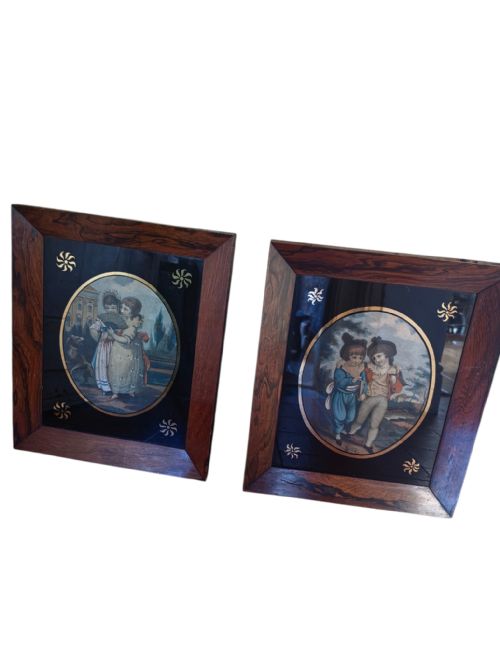
- A Victorian method of applying a coloured print to concave glass, then painting the reverse to create a three-dimensional effect. These delicate works were frequently mounted in ornate surrounds.
- Gesso
- A plaster-like mixture applied to wood frames to provide a smooth surface for gilding or moulding. Elaborate Victorian frames relied on this compound to hold deep relief ornament.
- Giltwood
- Timber coated with a thin layer of gold leaf or powder. This finish was widely applied to mirrors and fine picture frames during the nineteenth century.
- Lithograph
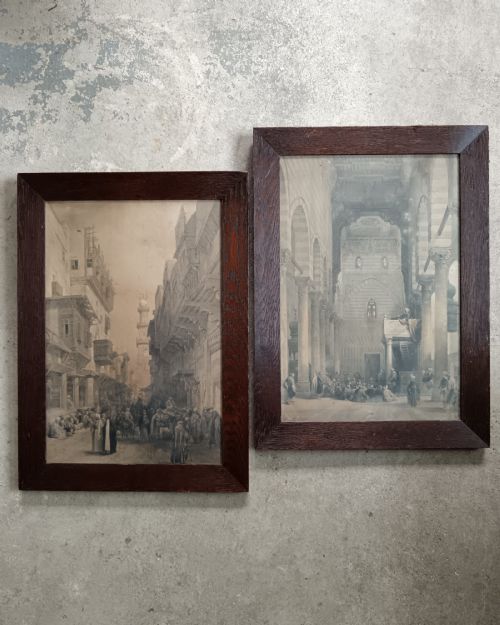
- A print made from a stone or metal plate using a planographic process. Artists utilised this technique to produce detailed illustrative plates and architectural views.
- Silhouettist
- An artist who cut profile likenesses from dark paper or painted them onto card or glass. Pairs of these portrait profiles often depicted family members.
Victorian Picture Pair: Frequently Asked Questions
How should I hang a victorian picture pair?
Hang the two pieces at eye level with a narrow gap between them to maintain the intended visual connection. Aligning the top edges creates a clean, balanced line on the wall.
Ensure the wall supports the combined weight, particularly if the items feature heavy giltwood frames or glass panels.
Can I separate a picture pair?
Separating a matched pair diminishes their historical integrity and aesthetic purpose. They were conceived and executed as a single decorative unit.
Keeping them together preserves the symmetry and balance that makers originally intended for interior display.
What subjects are most common?
Farmyard scenes, sporting dogs, equestrian subjects and landscape views dominate nineteenth-century pairings. Floral studies and portraiture also appear frequently across various mediums.
Makers often paired complementary themes, such as morning and evening views or domestic farm animals.