
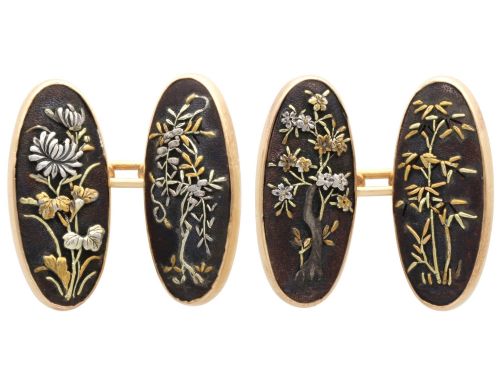


Victorian Period Jewellery
These pieces of victorian period jewellery and associated objects carry the precise craftsmanship and material ambition of the nineteenth century.
Victorian Period Jewellery
When you search for victorian period jewellery, you encounter a selection spanning sterling silver earrings, lockets, bracelets, and necklaces alongside related boxes and miniature furniture from the nineteenth century. The items range from early nineteenth century examples to pieces from the eighteen-eighties and eighteen-nineties, capturing the shift in taste toward Aesthetic Movement designs.
The objects most frequently met on this page include sterling silver earrings and lockets reflecting the Aesthetic period, alongside gold necklaces set with stones like amethyst. These pieces demonstrate the diverse output of makers working within the Victorian era, incorporating influences from Japanese lacquer and Anglo-Indian techniques.
Materials and construction
The makers of these items relied heavily on sterling silver, gold, and specialised woods such as coromandel, mahogany, and porcupine quill. Metals are shaped into detailed aesthetic motifs like swallows and sunbursts, while organic materials like porcupine quill and lacquer demonstrate cross-cultural influences during the nineteenth century.
Techniques range from fine silversmithing and stone setting in yellow gold to intricate lacquerwork and marquetry on boxes and keepsake cases. The construction employs traditional joinery and metalworking methods appropriate to the period, ensuring durability alongside decorative refinement.
The listings feature items fashioned from sterling silver, gold, mahogany, coromandel, and porcupine quill.
Separating the finest examples
Quality in these pieces rests upon the precision of the metalwork, the clarity of stones such as amethyst, and the preservation of delicate surface details like lacquer or quillwork. Finer examples display crisp casting and chasing on silver earrings and lockets, whereas lesser pieces show softer definition and wear to the primary materials.
The integration of design elements also dictates standing, with works aligning closely with the Aesthetic Movement or incorporating higher grades of gold and silver achieving greater visual harmony. The structural integrity of miniature chests and keepsake boxes further separates standard production from superior craftsmanship.
The Victorian Period Jewellery Glossary
- Aesthetic Movement
- A late nineteenth century design style emphasising visual beauty over narrative content, often drawing inspiration from Japanese art.
- Sterling silver
- A silver alloy containing substantial purity by weight, frequently utilised for nineteenth century earrings, lockets, and bracelets.
- Coromandel
- A dense, heavily figured tropical hardwood used for high quality Victorian boxes and small decorative cases.
- Porcupine quill
- An organic material employed in decorative inlay work on nineteenth century boxes, creating distinct striped patterns.
- Locket
- A small hinged trinket case worn on a chain or bracelet, designed to hold miniature portraits or locks of hair.
Victorian Period Jewellery: Frequently Asked Questions
What defines victorian period jewellery?
These pieces encompass silver and gold items produced during the reign of Queen Victoria, marked by distinct stylistic shifts from early designs to the Aesthetic Movement.
The materials typically include sterling silver and yellow gold, often paired with gemstones like amethyst or detailed with motifs such as swallows and sunbursts.
How do I care for silver jewellery?
Sterling silver items require gentle cleaning with a soft cloth to maintain their finish without damaging the underlying metalwork or chasing.
Store these pieces in dry conditions away from direct sunlight and humidity to preserve the integrity of both the silver and any associated settings.
What is the Aesthetic Movement?
The Aesthetic Movement represents a late nineteenth century shift toward art for art's sake, influencing the design of jewellery, silver, and decorative boxes.
Objects from this era often feature stylised natural forms, asymmetry, and inspiration drawn from Japanese art and craftsmanship.
How are wooden boxes dated?
Dating boxes relies on identifying the primary timbers used, such as mahogany, coromandel, or exotic inlays like porcupine quill, alongside construction methods.
Stylistic cues such as brass mounts and lacquer techniques also help place these decorative items within the broader nineteenth century timeline.