







Victorian Period Artwork
When you search for victorian period artwork, you enter a rich world of nineteenth-century oil paintings, watercolours, and framed drawings.
Victorian Period Artwork
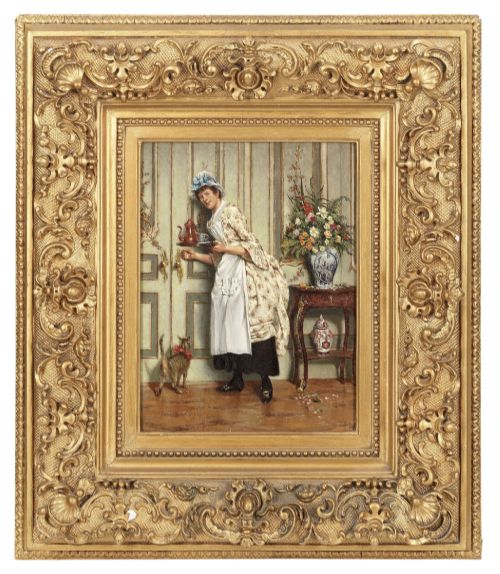
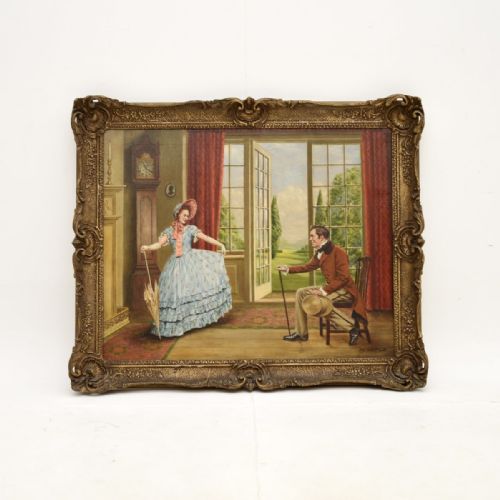
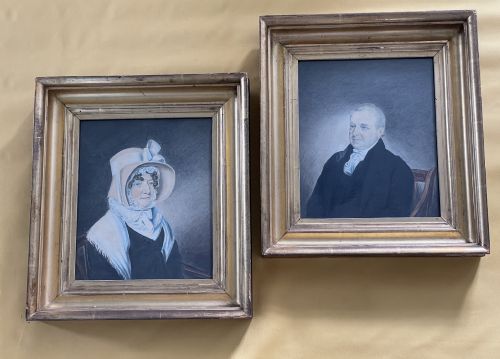
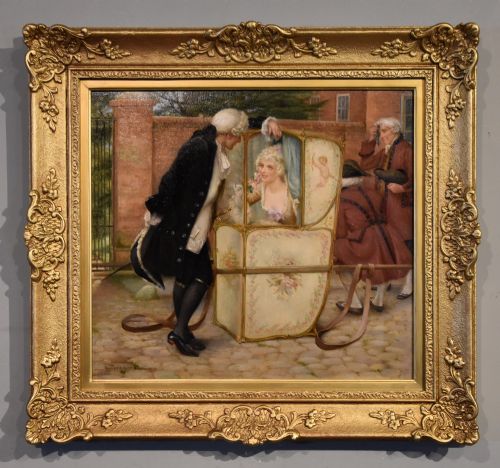
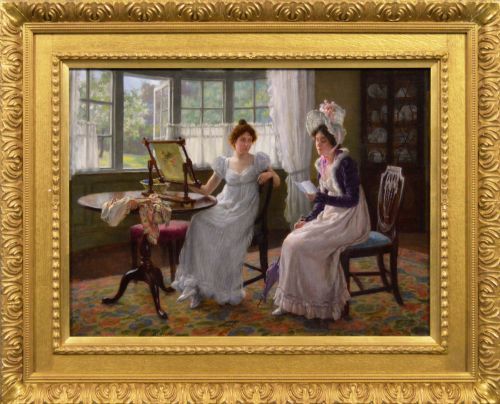
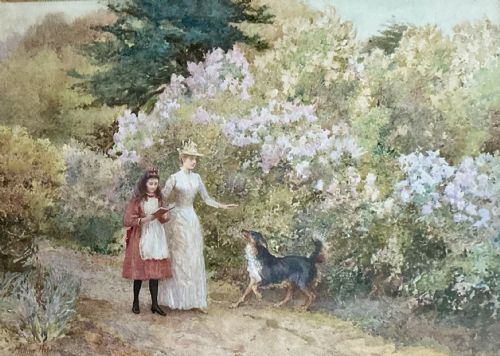
Victorian period artwork encompasses a diverse range of visual expressions created during the nineteenth century, including detailed portraits and genre scenes. You will frequently encounter framed watercolours and oil paintings depicting figures, landscapes, and domestic interiors.
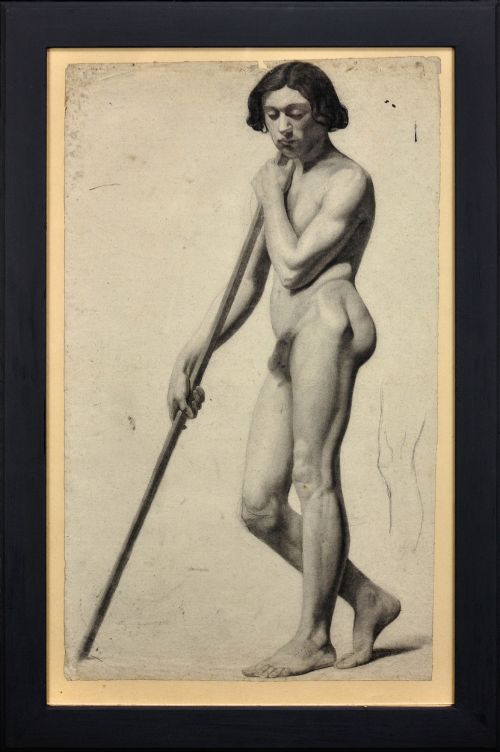
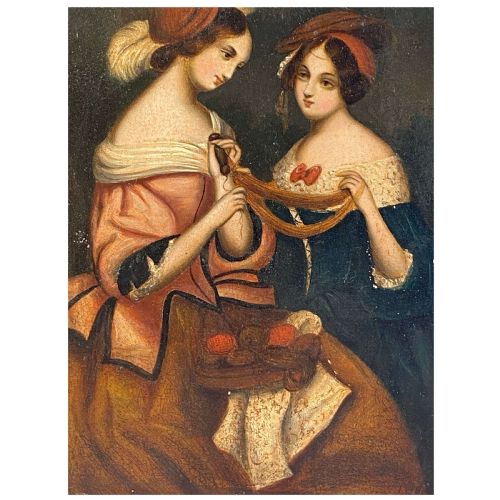
The selection ranges from academic life studies and Pre-Raphaelite watercolours to naive panel paintings and landscape views. These pieces capture the character, artistic styles, and social interests of the nineteenth century through various hands.
Portraits of ladies, gentlemen, and children feature prominently alongside narrative interior scenes and still life compositions. The works span multiple decades of the nineteenth century, reflecting shifting tastes from Regency elegance to Edwardian realism.
Materials and Techniques
Artists of this period worked primarily with oil paint on canvas, wood panel, or zinc, alongside watercolours and gouache on paper. These traditional media were chosen for their depth of colour and longevity.
Materials span canvas, wood, paper, zinc, and giltwood frames.
Understanding Quality
Quality rests upon the skill of the draughtsman or painter in handling anatomy, expression, and light within the composition. Masterful brushwork and confident pencil lines distinguish professional academy artists from naive or provincial hands.
The preservation of the original surface, pigment stability, and the condition of the period frame contribute significantly to the standing of a piece. Works that retain their original giltwood framing without major restoration hold particular interest.
Stephen Samuel Lewin·Alfred Lyndon Grace·Delapoer Downing·George Kilburne·Henry Arthur Roberts·Philip Richard Morris·Alice Anne Renshaw·Charles Haigh Wood·John Robert Dicksee·Robert Buchan Nisbet·Sydney Kendrick·Frederick Thomas Baynes·Robert Kemp·Walter Dendy Sadler·Herbert Dicksee·William Huggins·George Richmond
The Victorian Period Artwork Glossary
- Genre painting
- A representation of scenes from everyday life, typically depicting people in domestic interiors or outdoor settings. These works focus on narrative and character rather than formal portraiture.
- Gouache
- An opaque watercolour paint consisting of pigment, water, and a binding agent such as gum. It provides solid blocks of matte colour in works on paper.
- Giltwood
- Wood carved and coated with gold leaf or a gold-coloured finish. It is commonly found on ornate period frames housing nineteenth-century paintings.
- Lithograph
- A printmaking process based on the incompatibility of oil and water, allowing artists to create multiple impressions from a single stone or metal plate.
- Academic realism
- A style of painting and drawing produced under the influence of European academies of art. It emphasises precise technical skill and careful anatomical study.
Victorian Period Artwork: Frequently Asked Questions
What subjects are most common?
Portraits of individuals, character studies, and country house interiors appear frequently across the selection.
Artists also recorded landscapes, still life arrangements of fruit, and narrative genre scenes involving multiple figures.
How do I identify the period?
Dating relies on stylistic clues, artist signatures, clothing styles, and framing materials recorded in the evidence.
Nineteenth-century works often carry specific signatures or exhibition labels pointing to their exact decade of creation.
What is the difference between oil and watercolour?
Oil paintings utilise pigment suspended in drying oils on canvas, wood panels, or zinc, offering rich textures and deep tones.
Watercolours employ water-soluble pigments on paper, creating a lighter, more translucent finish often protected under glass.