

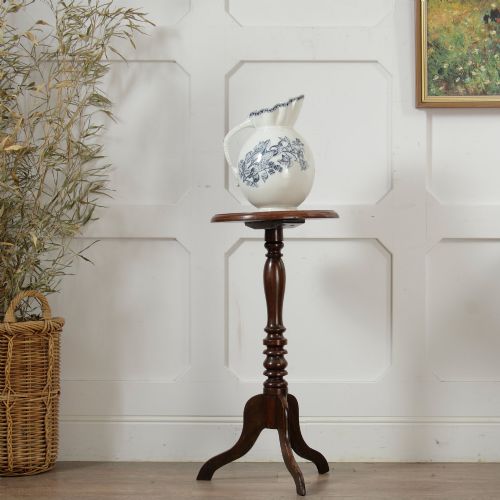
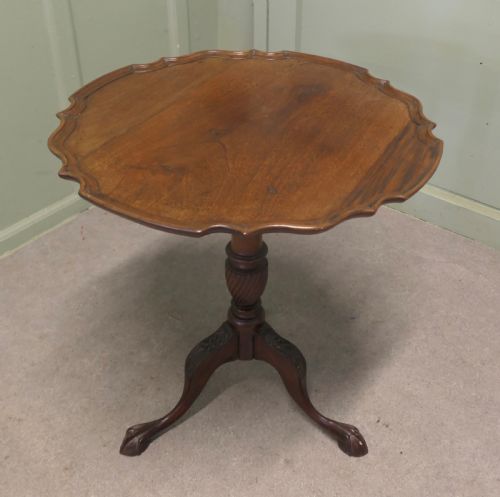
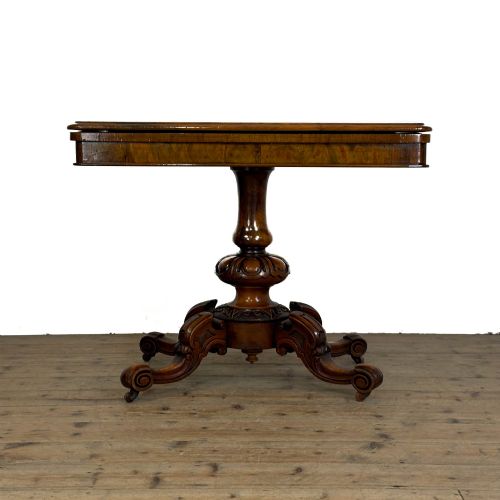
Victorian Pedestal Tea Table
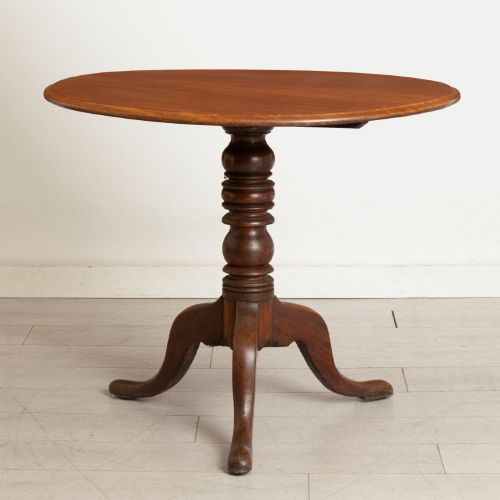
A victorian pedestal tea table brings a central pillar support and rich timber grain to a room, offering both display surface and traditional hospitality.
Victorian Pedestal Tea Table
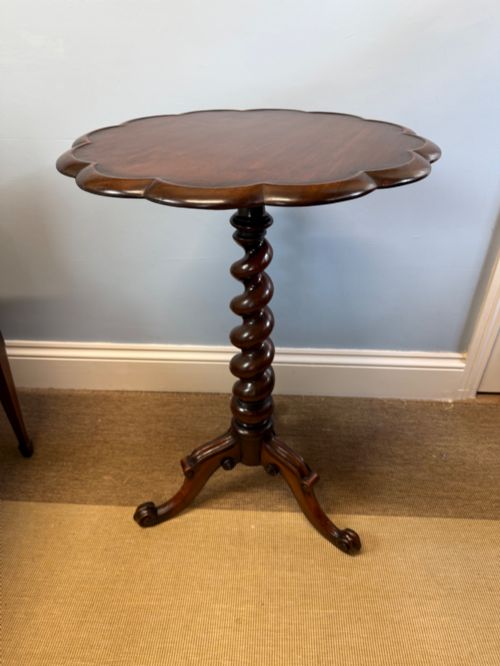
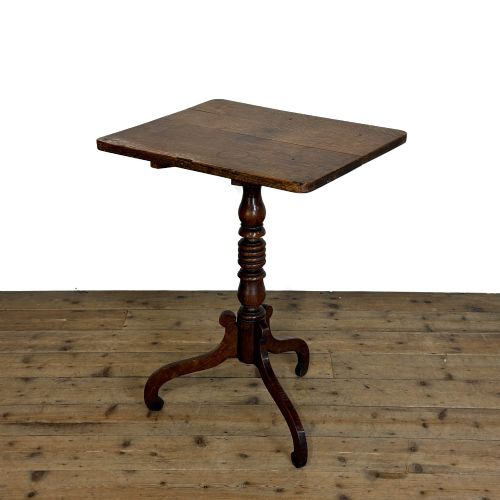
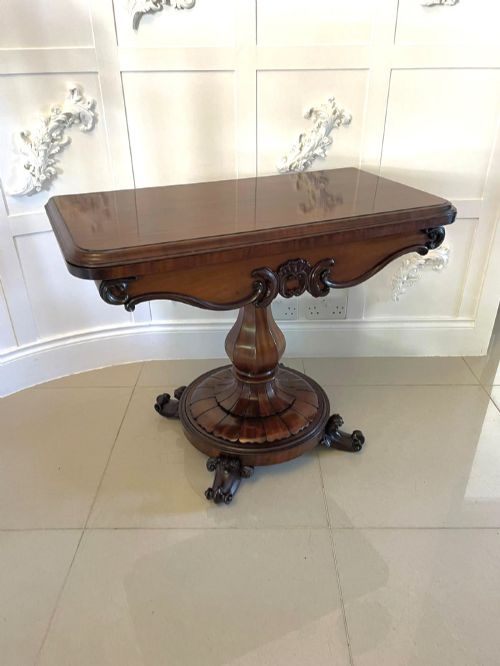
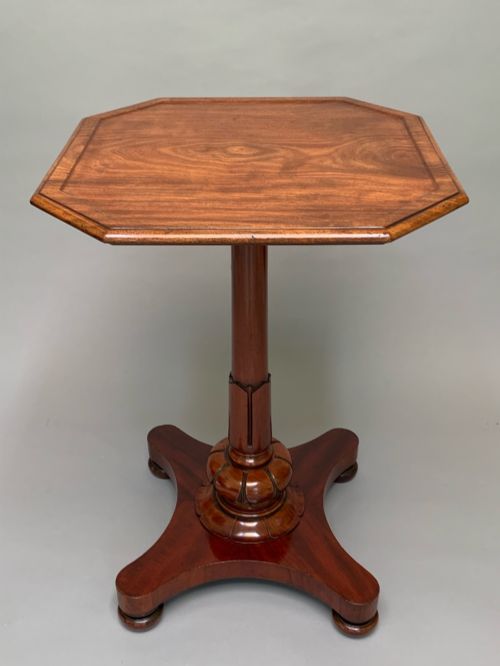
When you search for a victorian pedestal tea table, you enter a category defined by 19th-century craftsmanship where a single central column supports a timber top. These tables emerge from periods spanning the mid to late 19th century, carrying the stylistic shifts of the Victorian era alongside influences from William IV and Regency designs.
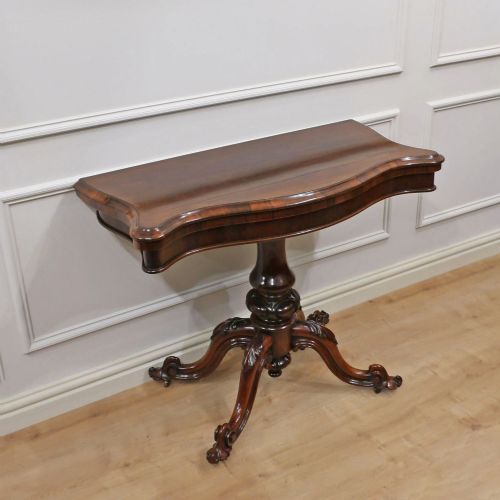
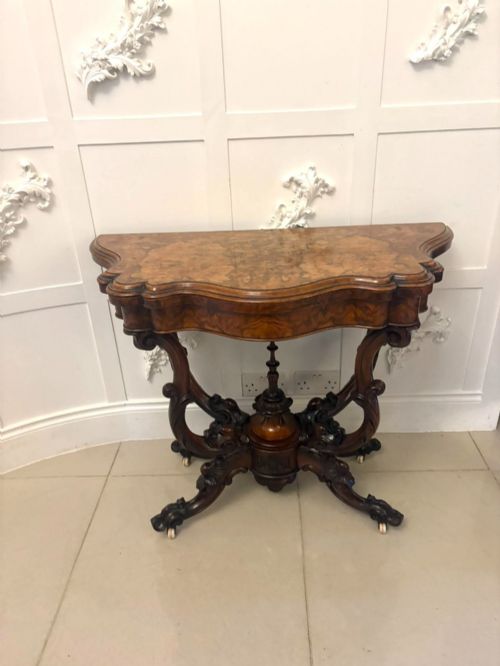
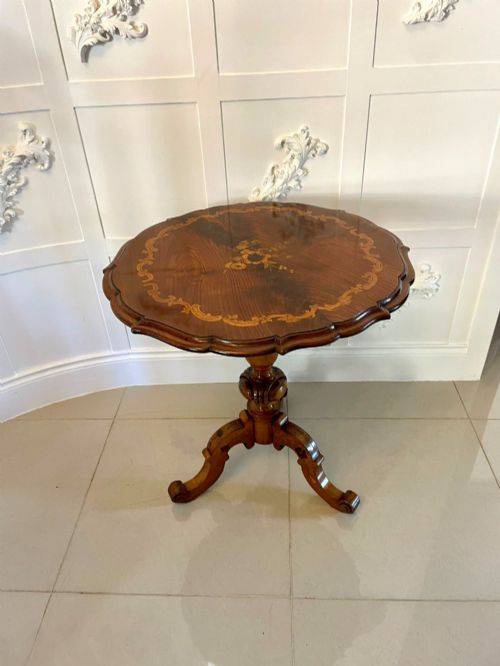
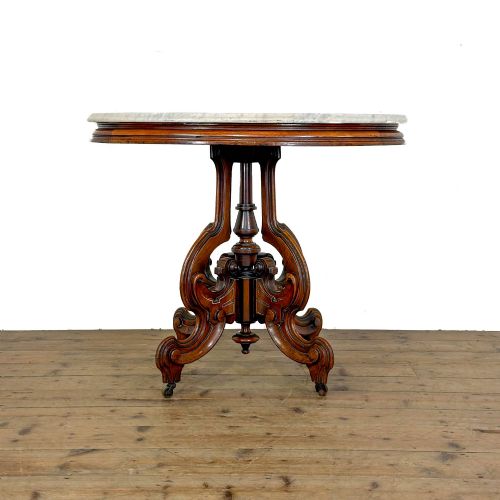
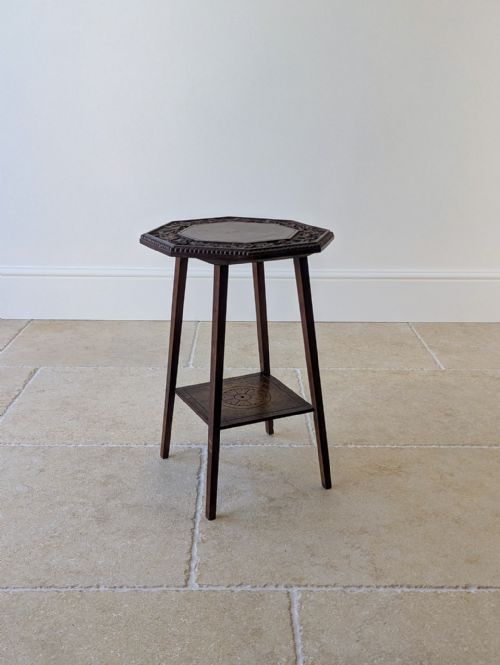
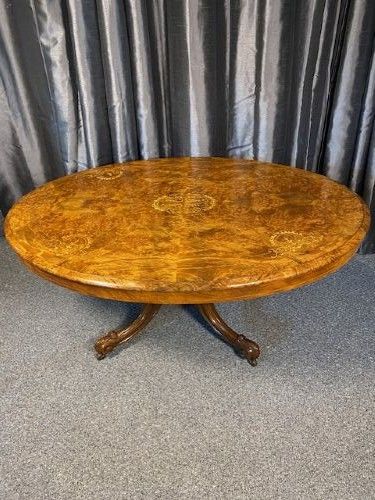
The pieces you encounter range from standard occasional and side tables to specialised tilt top, card, lamp, and centre tables. Mahogany and walnut dominate the offerings, frequently enhanced by burr veneers, marquetry inlay, and carved basket or tripod bases.
While specific tea tables feature foldover or turnover tops designed for hosting, the broader selection includes related pedestal forms adapted for wine, coffee, or general display. This variety reflects how domestic spaces evolved through decades such as 1850, 1860, and 1880, producing both utilitarian household items and highly decorative reception furniture.
How they were made
Cabinetmakers constructed these tables using solid timbers like mahogany, oak, and rosewood, paired with highly figured decorative veneers including burr walnut and pollard oak. These woods were selected for their rich grain patterns and durability, forming both the structural frames and the prominent circular or oval table tops.
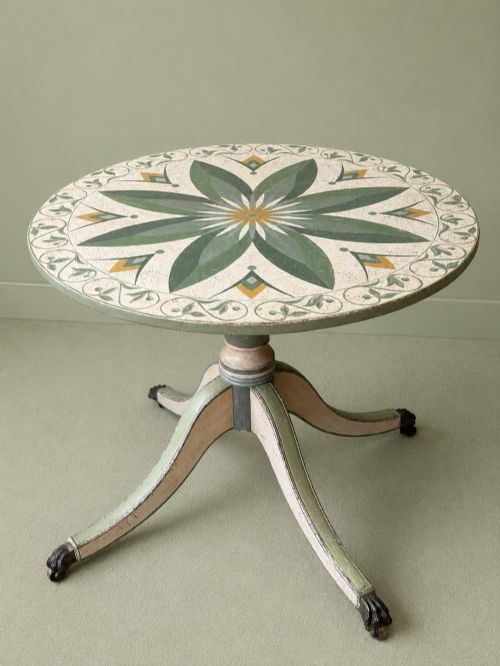
Techniques such as marquetry inlay, detailed hand carving on pedestals and tripod legs, and tilt top mechanisms demonstrate the specialised joinery of the period. Brass fittings and painted finishes also appear, showing a diversity of surface treatments applied by 19th-century workshops.
The inventory spans the 19th century, with dates concentrated around 1850, 1860, and 1880, alongside broader Victorian classifications.
What varies in quality
The distinction between standard examples and superior pieces rests on the choice of timber and the complexity of the cabinetwork. Tables utilising highly figured burr walnut or meticulously matched mahogany veneers sit above plain timber items, while fine marquetry inlay and crisp hand carving elevate the overall execution.
Structural integrity of the central pedestal and tripod base distinguishes a well-balanced piece from one that has suffered from poor joints or warped tops over the decades. The precision of mechanisms in tilt top and foldover card tables further indicates the standard of workshop production.
The Victorian Pedestal Tea Table Glossary
- Tilt top
- A table mechanism allowing the surface to pivot horizontally and store vertically against the pedestal when not in use.
- Burr walnut
- A highly prized wood veneer taken from the growth excrescences of a walnut tree, creating swirling, highly decorative grain patterns.
- Turnover top
- A hinged table surface that opens and rotates to reveal a larger top or a concealed well underneath.
- Tripod base
- A pedestal support resting on three spreading feet, commonly seen on 19th-century occasional and wine tables.
- Marquetry
- The art of applying pieces of veneer to a structural structure to form decorative patterns and pictures.
Victorian Pedestal Tea Table: Frequently Asked Questions
What is a tilt top table used for?
A tilt top table allowed households to save floor space by pivoting the surface vertically when the piece was not actively in use.
In 19th-century interiors, these versatile pieces were easily moved against a wall or into a corner between afternoon tea services or card games.
How do I identify a Victorian card table?
Victorian card tables typically feature a foldover or turnover top that opens to reveal a lined playing surface, often supported by a central carved pedestal.
Closed, they functioned as console or side tables against a parlor wall, expanding to accommodate evening entertainment when guests arrived.
What is the difference between mahogany and burr walnut?
Mahogany provides a dense, stable reddish-brown timber with a straight grain that was favored for solid construction and clean lines throughout the 19th century.
Burr walnut utilises highly figured veneer cut from tree growths, offering complex, swirling patterns that decorators chose for high-status reception tables.
How should I care for a 19th century wood table?
Maintain these antique tables by keeping them away from direct sunlight and rapid temperature fluctuations that can cause timber to split or veneers to lift.
Apply natural beeswax periodically to nourish the historic polish, avoiding modern silicone sprays or excessive moisture during routine dusting.