

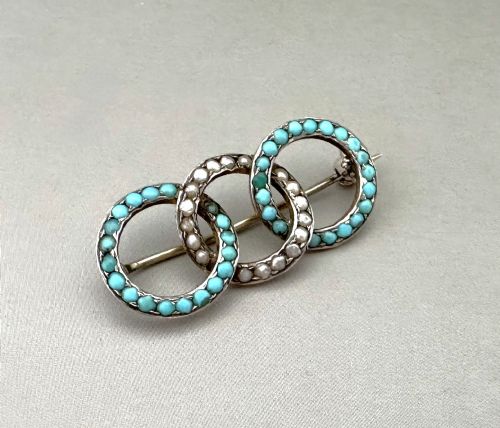


Victorian Pearl Cluster
Victorian pearl cluster pieces combine central gems or seed pearls in characteristic halo or clustered arrangements, prized for their delicate period craftsmanship and enduring elegance.
Victorian Pearl Cluster
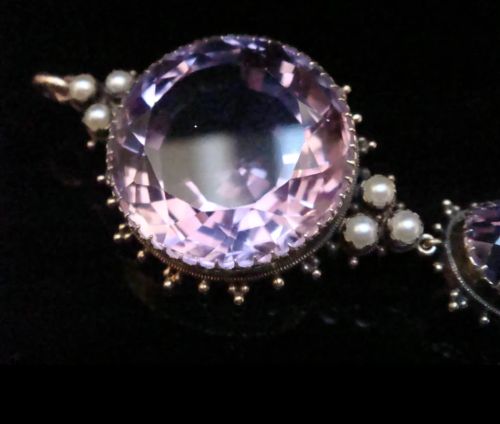
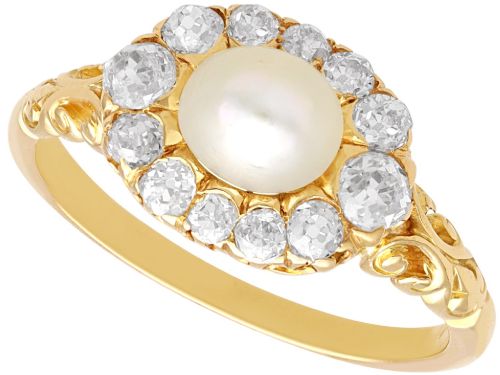
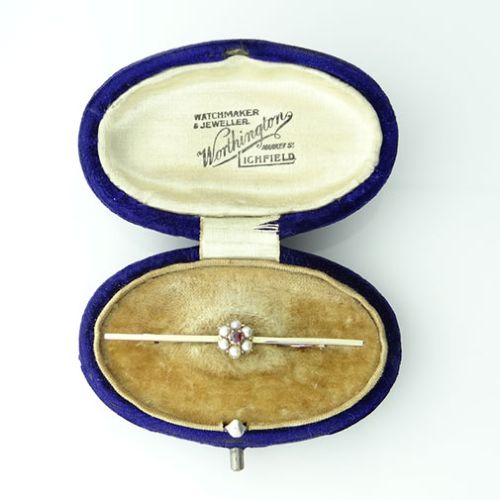
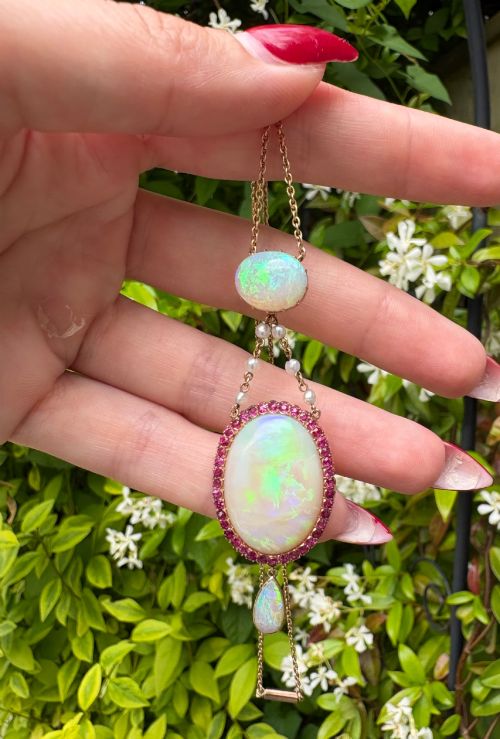
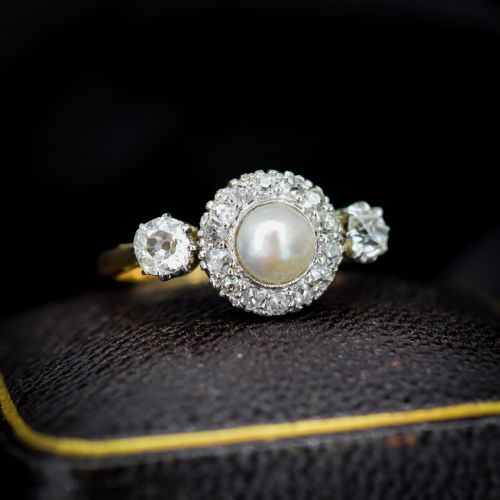
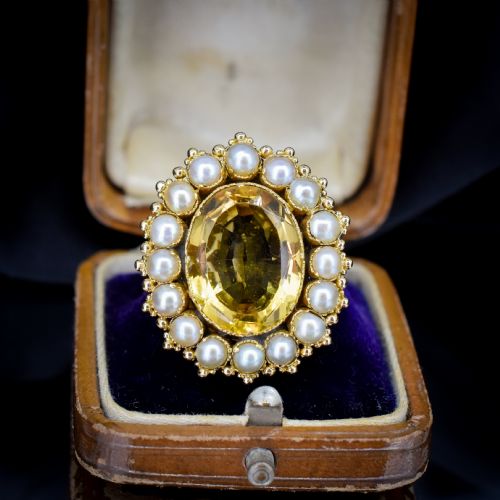
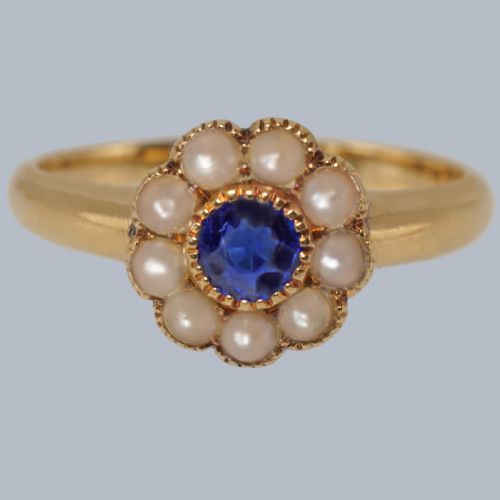
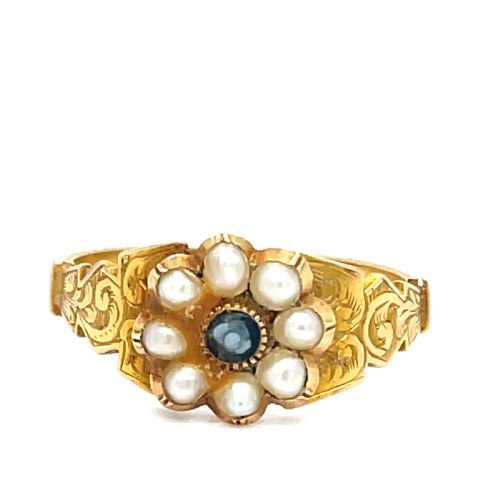
A victorian pearl cluster brings together pearls, seed pearls, or split pearls arranged around central coloured stones such as amethyst, garnet, turquoise, opal, or diamond.
The evidence shows these designs appearing primarily as rings, brooches, pendants, earrings, and necklaces originating from the Victorian, Edwardian, and nineteenth-century periods.
Buyers will most frequently encounter cluster rings and brooches rendered in yellow gold, rose gold, or silver gilt, reflecting the prevalent aesthetic of the era.
Materials and construction
Goldsmiths utilised 9ct, 15ct, and 18ct gold alongside silver gilt to set pearls alongside diamonds, amethysts, garnets, turquoises, and other regional stones.
Pearls and seed pearls were meticulously mounted into cluster, halo, and navette designs, often combined with rose cut diamonds, enamel, and intricately hinged drop components.
Victorian Pearl Cluster Retail Price Guide 2026
Typical asking prices for victorian pearl cluster among the pieces listed under this phrase on Sellingantiques today, from the lower quarter to the upper quarter. They describe what is for sale here now, not the wider market.
Listings feature items spanning the Victorian, Edwardian, and mid-twentieth century periods, utilising pearls, seed pearls, diamonds, amethysts, turquoises, and various gold carats.
Gradations of quality
The calibre of a victorian pearl cluster depends on the integrity of the pearl setting, the matching of the seed pearls, and the depth of the gold carat used.
Mastery in stone selection, such as vibrant natural turquoises, clean amethysts, or well-matched garnets paired with bright rose cut diamonds, elevates the piece.
The Victorian Pearl Cluster Glossary
- Cluster ring
- A ring design featuring a central gemstone surrounded by a halo of smaller stones, typically pearls or diamonds.
- Seed pearl
- A very small, natural, or saltwater pearl traditionally used in intricate cluster and floral jewellery of the nineteenth century.
- Split pearl
- A pearl that has been halved to sit flush against a gold or silver backing in antique jewellery settings.
- Navette
- A boat-shaped gemstone or cluster design that tapers to points at both ends, also known as a marquise shape.
Victorian Pearl Cluster: Frequently Asked Questions
How do I wear a cluster brooch?
Cluster brooches look striking pinned to lapels, heavy wool scarves, or secured at the neckline of a structured collar.
Ensure the pin mechanism is secure before fastening to delicate fabrics to protect the antique gold and pearl work.
Are seed pearls durable?
Seed pearls require careful handling because they are organic gems sensitive to moisture, cosmetics, and harsh cleaning chemicals.
Store them separately in a soft pouch and wipe gently with a dry cloth after wearing to preserve their lustre.
How do I identify a period setting?
Period settings often exhibit hand-worked 15ct or 18ct gold, closed backs on older pieces, and characteristic rose cut diamonds or split pearls.
Examining the back of the piece reveals the construction methods and metal hallmarks typical of Victorian and Edwardian workshops.