
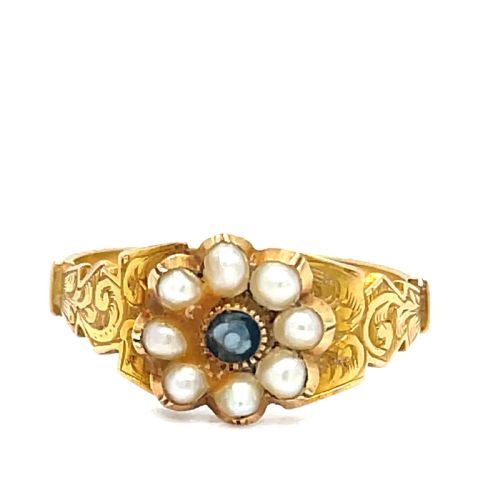


Victorian Pearl Cluster Ring
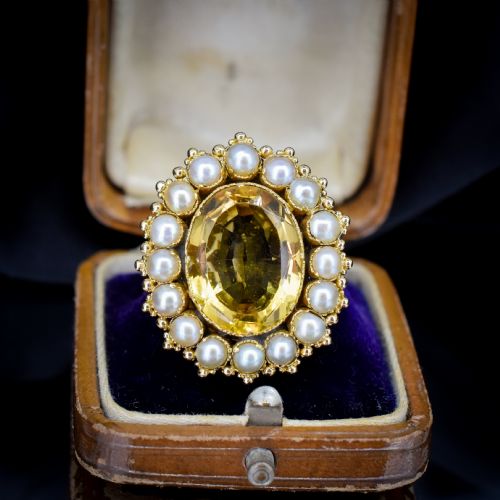
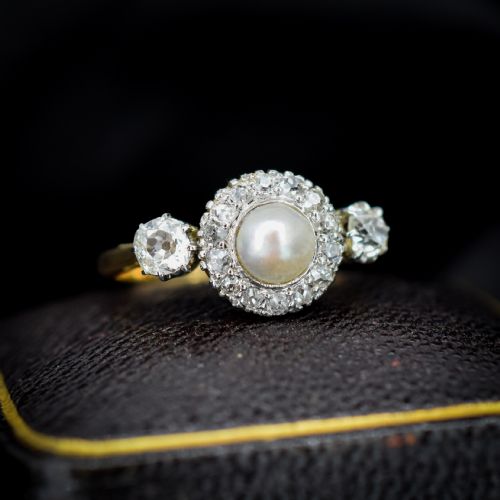
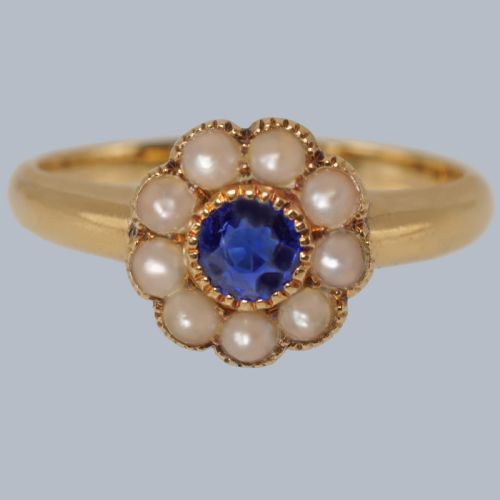
A victorian pearl cluster ring gathers luminous gems around a central stone in gold settings that capture nineteenth-century grace.
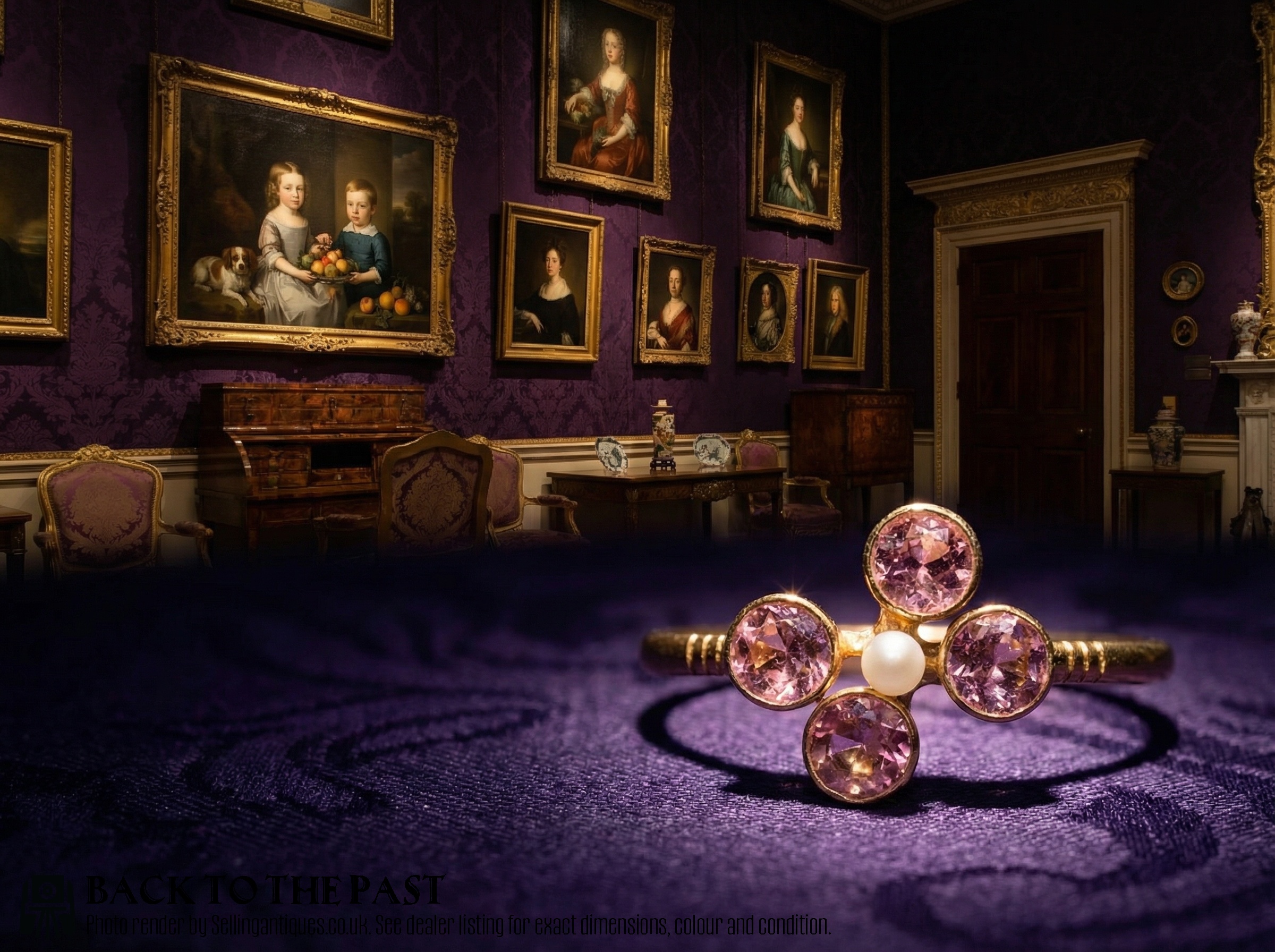
Victorian Pearl Cluster Ring
A victorian pearl cluster ring arranges luminous pearls around a central gemstone in a geometric or floral formation. These pieces predominantly date from the nineteenth century into the Edwardian era, spanning periods defined by intricate handiwork and sentimental motifs.
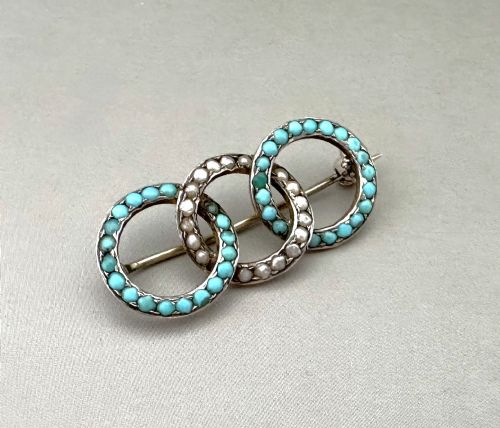
The central stones paired with pearls include diamonds, turquoise, garnet, amethyst, and ruby, mounted in yellow gold, rose gold, or silver gilt. Buyers encounter floral daisy clusters, navette designs, and halo settings originating from British assay offices such as Birmingham and Chester.
While rings dominate the selection, related forms like mourning jewellery and drop earrings appear alongside later mid-century revivals. The surviving inventory reflects diverse carat weights, ranging from lower nine-carat alloys up to standard eighteen-carat gold.
Materials and construction
Goldsmiths of the period employed nine-carat, fifteen-carat, and eighteen-carat gold, shaping alloys into robust shanks and delicate claw or collet settings. Pearls, including seed pearls and split pearls, were carefully selected to match in lustre and size before being pegged or secured around central gemstones.
Stones such as old-cut diamonds, garnets, amethysts, and turquoise were hand-cut and set alongside pearls using traditional bench techniques. Metalwork often incorporated chased details, engraved shoulders, or enamel accents to enhance the visual depth of the cluster design.
Some rings conceal tiny woven locks of hair beneath crystal quartz panels behind the pearl cluster.
Distinctions in craftsmanship
Quality rests on the uniformity and lustre of the pearls, alongside the clarity and depth of the central gemstone. Superior examples display closely matched pearls secured evenly within well-balanced floral or geometric arrangements.
The weight and purity of the gold alloy further define the tier of the piece, with higher carat thresholds and legible hallmarks indicating superior workshop provenance. Finer mountings show crisp details in the metalwork without evidence of heavy past alteration.
The Victorian Pearl Cluster Ring Glossary
- Split pearl
- A natural pearl that has been sawn in half to sit flat against a gold backing or setting. This technique was widely utilised in nineteenth-century cluster rings.
- Seed pearl
- Very small natural pearls, often un-drilled or half-drilled, clustered closely together to form delicate floral or geometric patterns. They provide a soft, shimmering texture to antique jewellery.
- Old-cut diamond
- A hand-faceted diamond cut before the standardisation of modern brilliant cuts, typically featuring a smaller table and larger culet. These stones exhibit a distinctive warm scintillation under candlelight.
- Navette
- A boat-shaped or marquise setting that tapers to points at either end. This elongated design accommodates central stones flanked by rows of pearls.
- Mourning ring
- A commemorative piece of jewellery containing hair, enamel, or specific gems like agate and pearls to remember a deceased person. These objects carry specific historical sentiment from the Victorian era.
Victorian Pearl Cluster Ring: Frequently Asked Questions
How do I care for antique pearls?
Pearls are organic gems that require gentle handling, avoiding harsh chemicals, perfumes, and ultrasonic cleaners. Wipe them softly with a damp cloth after wearing to preserve their natural lustre.
Store these rings in individual lined compartments to prevent the pearls from scratching against harder diamonds or gold mountings. Regular checks by a jeweller ensure the settings remain secure.
Are these pearls natural?
Most pearls found in nineteenth-century jewellery are natural saltwater or freshwater pearls formed organically before the advent of cultured pearl farming. Jewellers selected them for their soft orient and matching shapes.
Seed pearls and split pearls were similarly sourced from natural yields during the Victorian and Edwardian periods. Their organic origin contributes to the subtle variations seen across different cluster rings.
How can I date my ring?
Dating relies on a combination of stylistic clues, gemstone cuts, and official hallmarks stamped inside the gold band. Assay marks from cities like Birmingham or Chester provide precise year ciphers.
Structural details, such as closed-back settings or hand-cut diamonds, point toward earlier nineteenth-century manufacture. Later Edwardian and revival pieces display lighter mounts and different gold carat standards.
Can I wear mine daily?
These antique rings can be worn daily provided you take appropriate precautions against heavy impacts. Pearls have a lower hardness rating than diamonds and require mindful care during manual tasks.
Removing the ring while swimming, gardening, or exercising protects the delicate gold settings and seed pearls. Proper maintenance ensures these historical pieces survive for future generations.