




Victorian Parlour Couch
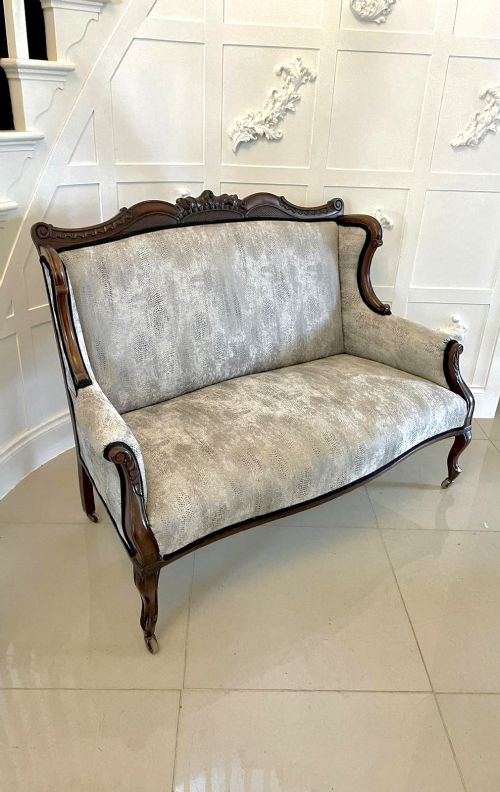
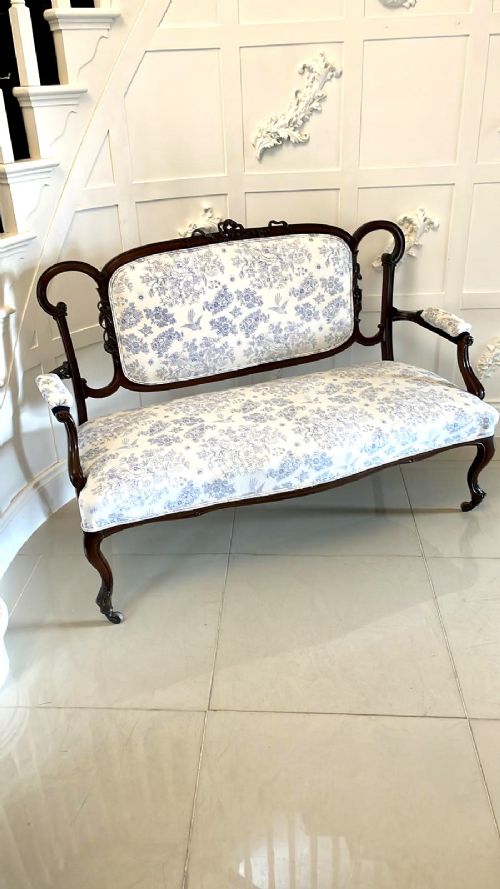
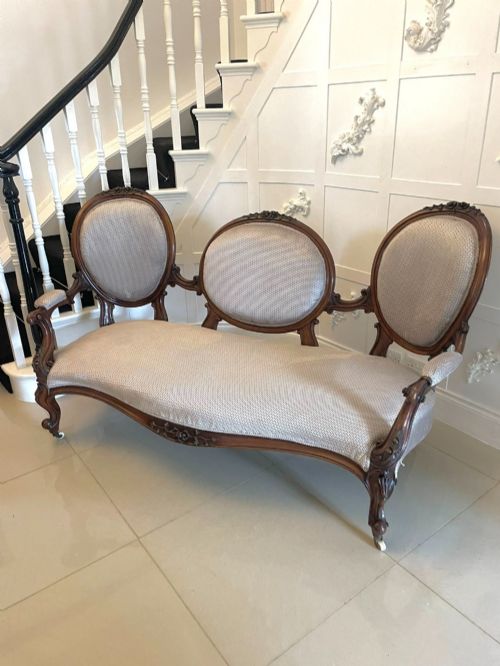
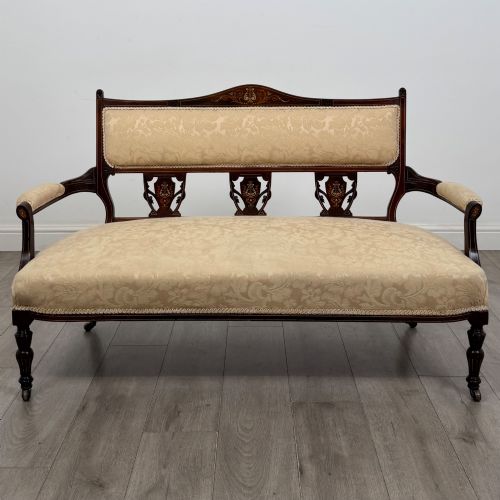
These Victorian parlour couch examples are grand upholstered seats designed for formal rooms, offering carved wooden frames and period textiles.
Victorian Parlour Couch
A victorian parlour couch brings formal nineteenth-century seating into modern interiors, functioning as a decorative settee or sofa. These pieces span early to late periods, encompassing varied forms from double spoon back settees to carved walnut sofas and mahogany frames.
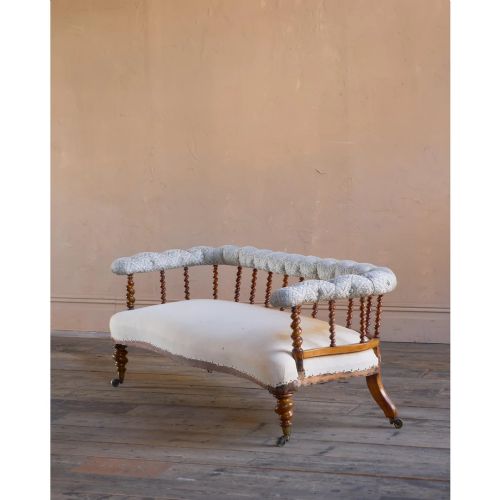
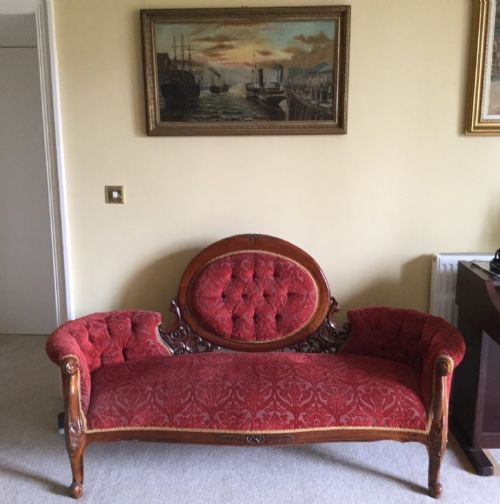
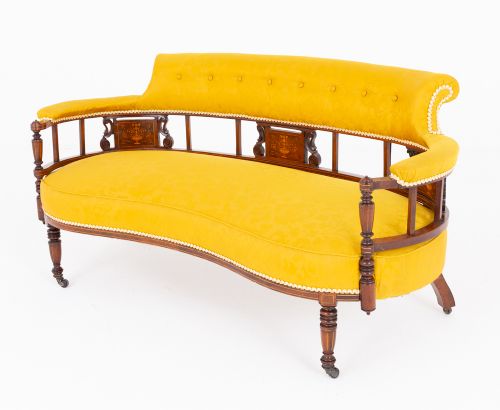
The most common style met here is the wooden framed settee or sofa, often upholstered in rich fabrics like damask, velvet, or brocade. Variations include double ended sofas, inlaid rosewood designs, and occasional spindle back salon pieces from the nineteenth century.
Materials and construction
Makers utilised dense timbers including mahogany, rosewood, walnut, and satinwood for the structural frames, often applying intricate hand carving, turning, or inlaid details. Brass elements and giltwood also appear on select nineteenth-century pieces.
Upholstery relied on traditional sprung settee bases paired with heavy textiles such as damask, velvet, and deep pile brocade. Frames combined structural joinery with exposed wooden crest rails and scrolled arm supports.
Victorian Parlour Couch Retail Price Guide 2026
Typical asking prices for victorian parlour couch among the pieces listed under this phrase on Sellingantiques today, from the lower quarter to the upper quarter. They describe what is for sale here now, not the wider market.
Some nineteenth-century makers evidently believed no parlour was complete without enough carved rosewood to sink a small barge.
Evaluating quality in these pieces
Quality rests upon the crispness of the timber carving and the selection of fine cabinet woods like figured rosewood or walnut rather than secondary timbers. Superior examples exhibit balanced proportions, refined joinery, and sophisticated inlay work.
The integration of the upholstery with the wooden frame dictates the visual success of the piece. Better proportioned settees maintain harmonious lines between the carved crest, the arm supports, and the sprung base.
C. Hindley & Sons
The Victorian Parlour Couch Glossary
- Settee
- A long upholstered seat with a back and arms, designed for multiple occupants. This term is frequently used interchangeably with sofa in nineteenth-century contexts.
- Rosewood
- A heavy, dense timber with distinct dark grain patterns favoured for high-status cabinet work and decorative inlay. It provides a dark, polished surface on many refined nineteenth-century frames.
- Spoon Back
- An oval chair or settee back shaped to resemble the bowl of a spoon, providing ergonomic contouring. This upholstered shape is typical of mid-nineteenth-century seating.
- Brocade
- A rich shuttle-woven fabric featuring raised decorative patterns, often utilised for period upholstery. It adds texture and visual depth to Victorian reception furniture.
- Inlay
- The technique of embedding contrasting strips of wood or metal into a timber surface to create decorative motifs. Late examples frequently employ this method on rosewood and mahogany.
Victorian Parlour Couch: Frequently Asked Questions
What is a victorian parlour couch?
A victorian parlour couch is a nineteenth-century upholstered seat designed for formal entertaining rooms. These pieces typically feature exposed wooden frames in mahogany, walnut, or rosewood.
They combine decorative carved woodwork with sprung upholstery covered in damask, velvet, or brocade. Their forms range from double spoon back settees to inlaid rosewood couches.
Where were they placed in homes?
These settees were positioned in drawing rooms, parlours, and reception spaces where guests were received. They served as both functional seating and decorative centrepieces.
Their finished backs and ornate frames allowed them to sit prominently within a room rather than pushed exclusively against walls.
How do I care for the upholstery?
Caring for period textiles requires gentle vacuuming with a soft attachment to remove dust without damaging the fibres. Direct sunlight should be avoided to prevent fading in historic silks and damasks.
Professional textile cleaning is recommended for antique fabrics to preserve the structural integrity of the weave and padding beneath.
How do I distinguish early from late pieces?
Early pieces often display robust mahogany frames with deep, substantial carving and simpler structural lines. They favour organic wooden forms over surface decoration.
Late examples frequently incorporate exotic woods, delicate satinwood stringing, and geometric inlay work. The overall silhouette shifts toward lighter proportions by the end of the century.