


Victorian Parlor Seating
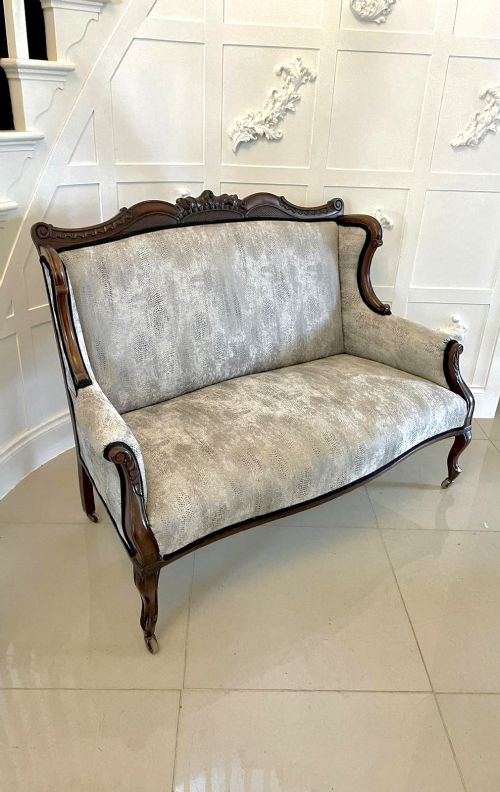
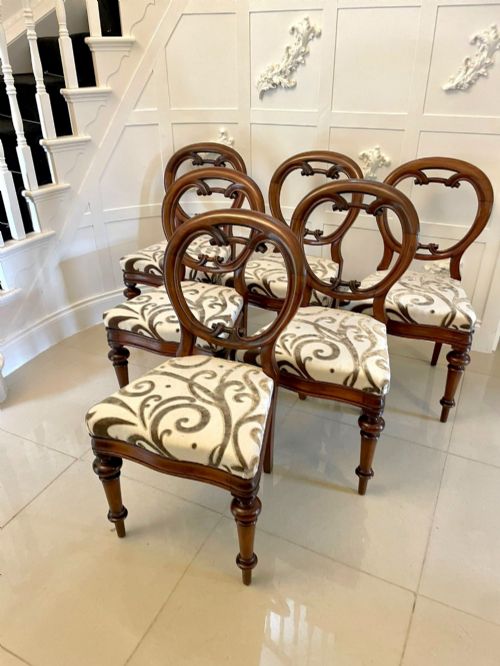
Victorian parlor seating brings together walnut and mahogany chairs, sofas and suites designed to anchor a period drawing room.
Victorian Parlor Seating
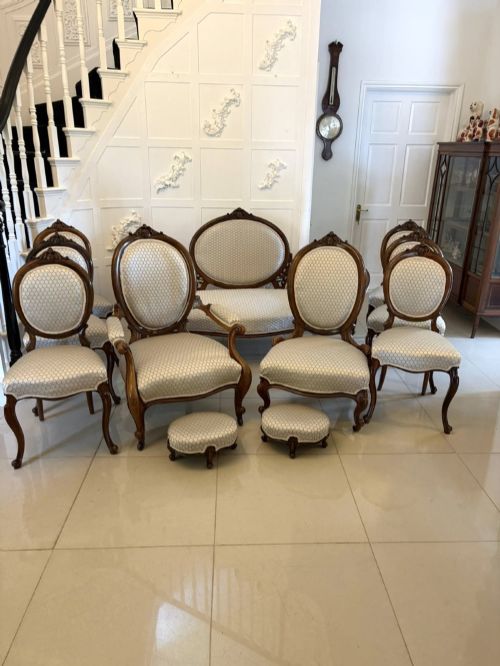
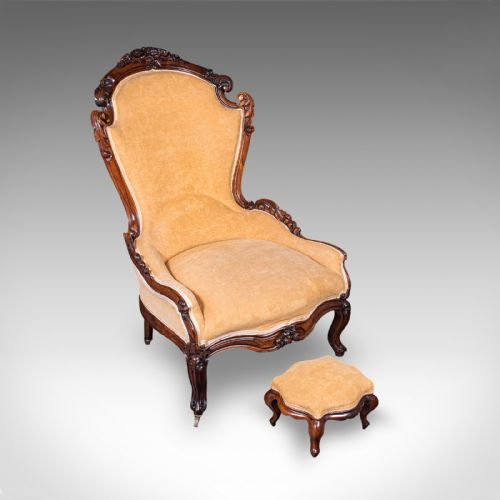
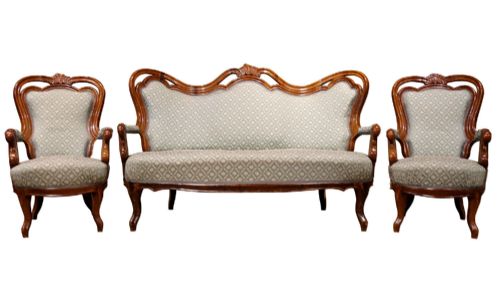
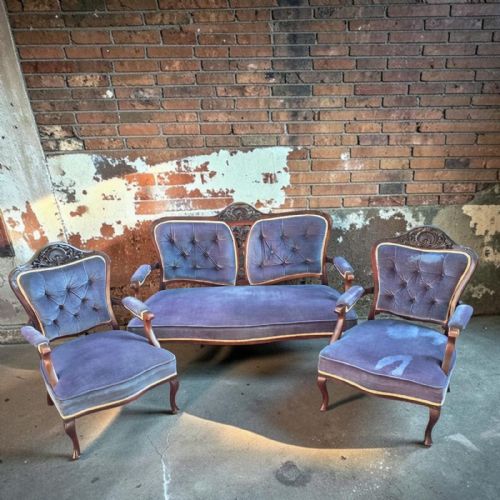
Victorian parlor seating covers the upholstered armchairs, carved sofas, settees and large salon suites that furnished nineteenth-century reception rooms. Buyers searching for victorian parlor seating encounter single occasional chairs, matched pairs and complete multi-piece suites intended for formal entertaining.
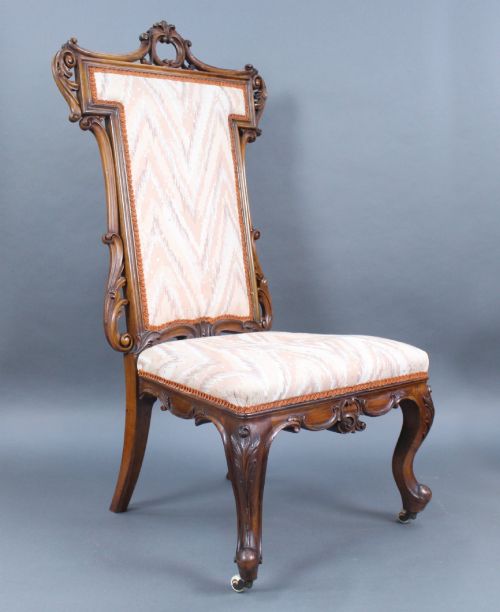
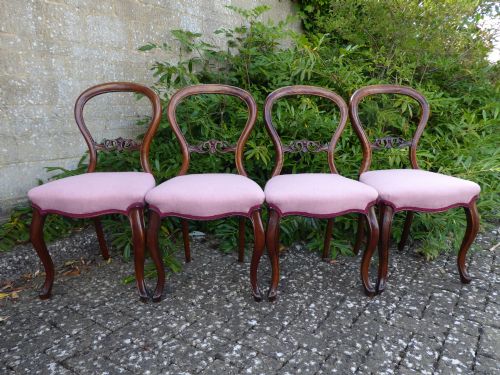
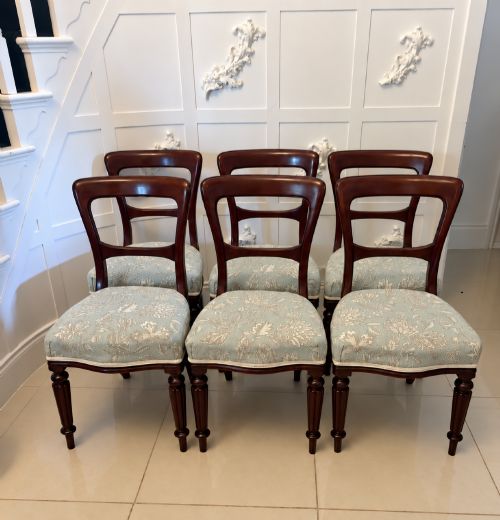
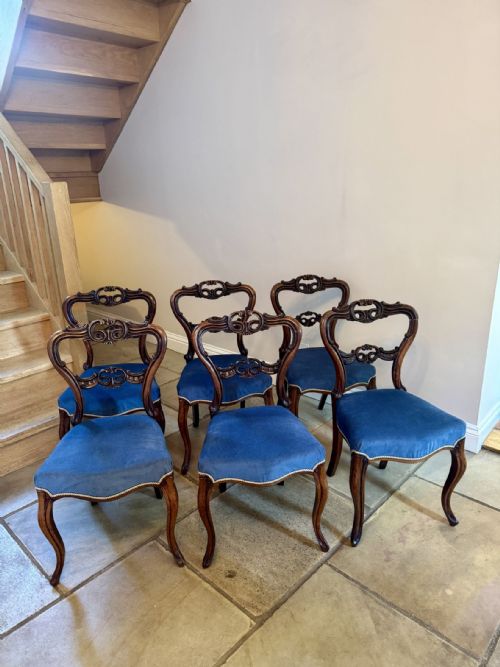
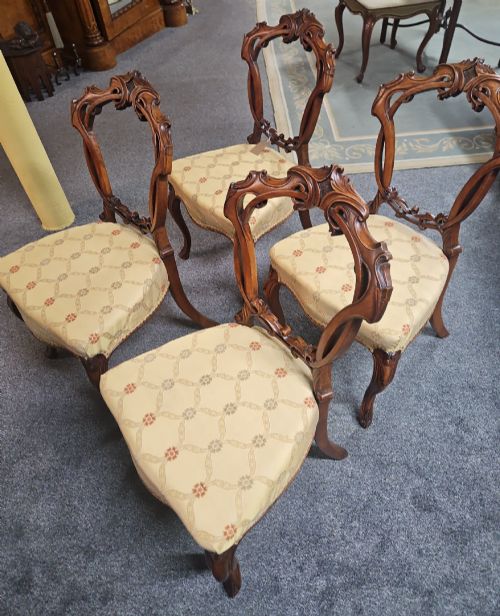
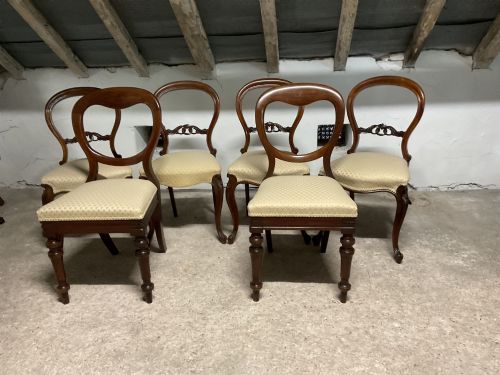
The selections span dining chairs, salon chairs, window seats and nursing chairs shaped during the nineteenth century. Walnut and rosewood frames dominate, alongside mahogany dining chairs and occasional seats produced from the eighteen-fifties through the end of the century.
How they were made
Makers formed these frames from solid timbers including walnut, mahogany and rosewood, applying hand-carved ornament to splats, crest rails and cabriole legs. Upholstered sections rely on traditional stuffing fixed beneath textile coverings such as velvet, fabric and needlepoint.
Structural details involve turned supports, brass fittings and inlaid wood accents integrated into the primary frame. Individual pieces combine exposed polished wood frameworks with deeply sprung or padded seating surfaces.
Victorian Parlor Seating Retail Price Guide 2026
Typical asking prices for victorian parlor seating among the pieces listed under this phrase on Sellingantiques today, from the lower quarter to the upper quarter. They describe what is for sale here now, not the wider market.
Musicians once claimed specialised parlor seating designed with angled supports for upright performance.
What varies in quality
The standard of carving distinguishes standard production from exhibition-grade examples. Crisp depth in floral motifs and pierced splats separates superior frames from simpler commercial output.
Completeness alters the character of larger groups, as intact multi-piece salon suites hold greater cohesion than assembled groups. Timber selection and the crispness of turned or reeded legs also signal the original workshop ambition.
Robert Strahan and Co
The Victorian Parlor Seating Glossary
- Balloon back
- A chair back shaped in an open curve resembling a balloon, typical of mid-nineteenth-century dining and parlor seats. This outline appears frequently across walnut and rosewood examples.
- Salon suite
- A matched set of seating furniture, usually comprising a settee and multiple armchairs or side chairs for a formal room. These groups share timber choice and decorative carving.
- Settee
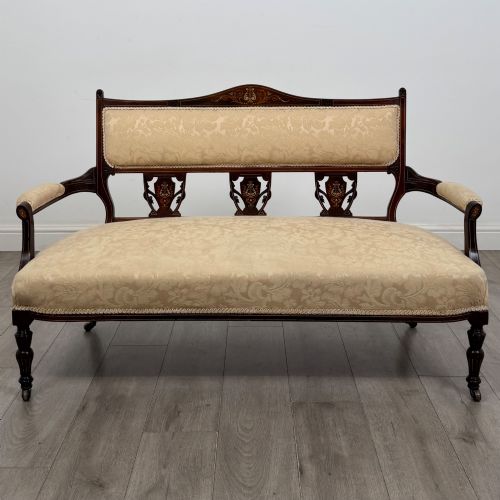
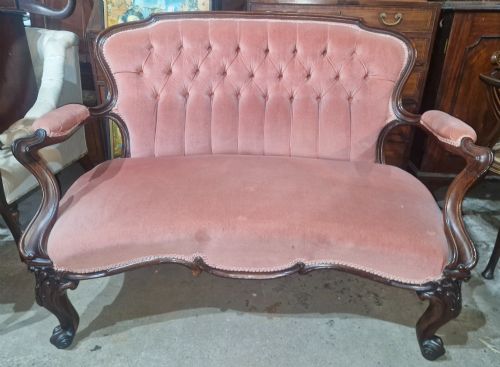
- A long upholstered seat with a back and arms, built to accommodate more than one person. Examples range from carved wooden frames to fully upholstered parlor forms.
- Reeded legs
- Vertical rounded parallel grooves carved into the straight leg of a chair or table. This detail turns up on mid-century mahogany dining seats.
- Pierced splat
- The central vertical slat of a chair back cut through to create an openwork design. It provides ornamental detail while supporting the sitter's back.
Victorian Parlor Seating: Frequently Asked Questions
What pieces make up a salon suite?
A salon suite typically includes a settee or sofa paired with matching armchairs and side chairs, sometimes accompanied by footstools. These suites provided unified seating for formal Victorian drawing rooms.
Larger configurations offered up to eleven matching pieces designed to coordinate the decor of a single reception space.
Where were parlor chairs used?
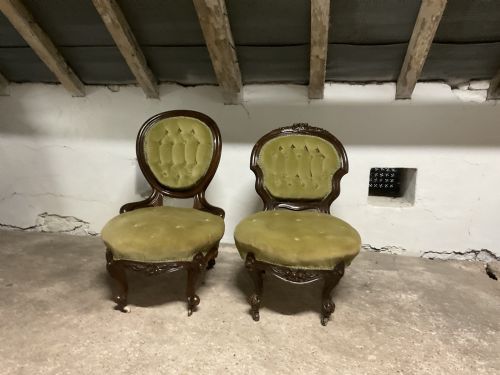
Parlor chairs sat in the formal reception rooms of nineteenth-century homes where guests were entertained. They functioned as movable seating that could be arranged for conversation or musical performances.
Different forms served specific roles, from low nursing chairs to sturdy library chairs and decorative occasional seats.
What is the difference between mahogany and walnut framing?
Mahogany framing offers a dense, reddish-brown grain often utilised for dining chairs and library seating from the early Victorian period onward. Walnut provides a richer, figured dark brown surface favored for highly carved rococo revival salon pieces.
Both timbers took intricate hand carving well, allowing cabinetmakers to define distinct decorative styles across different decades.