
Victorian Paper Art
Victorian paper art brings together delicate cut-paper silhouettes, watercolours, and early prints that capture the precise hand of nineteenth-century makers.
Victorian Paper Art
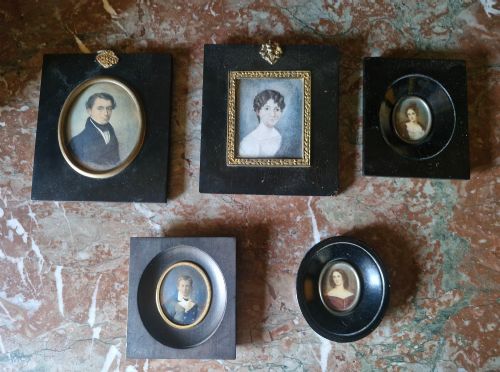
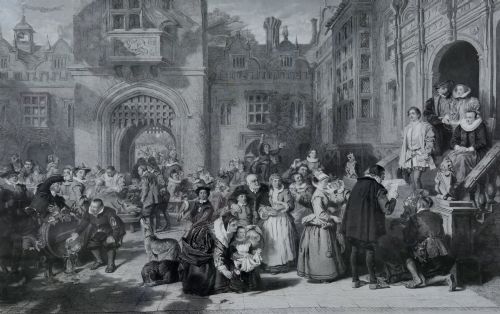
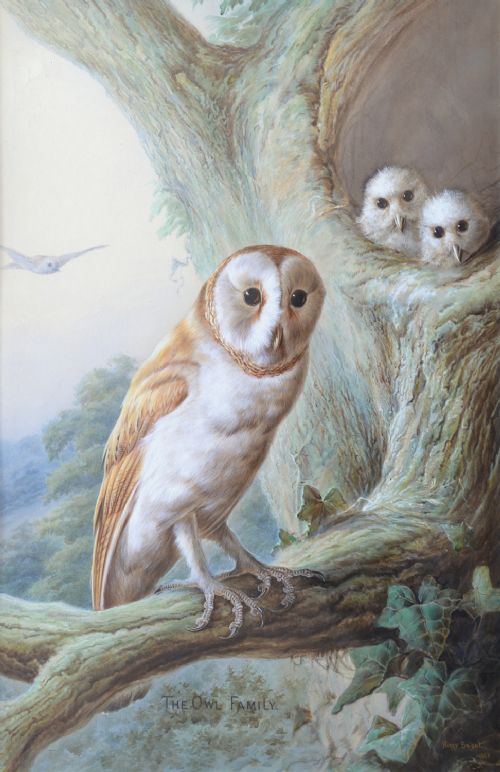
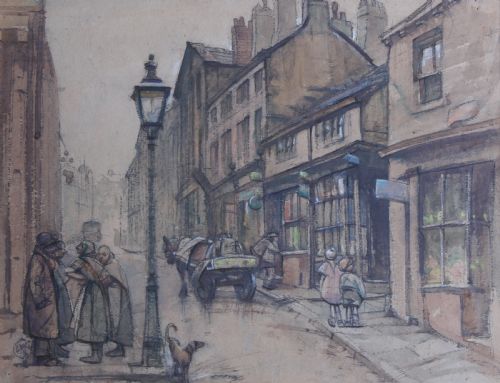
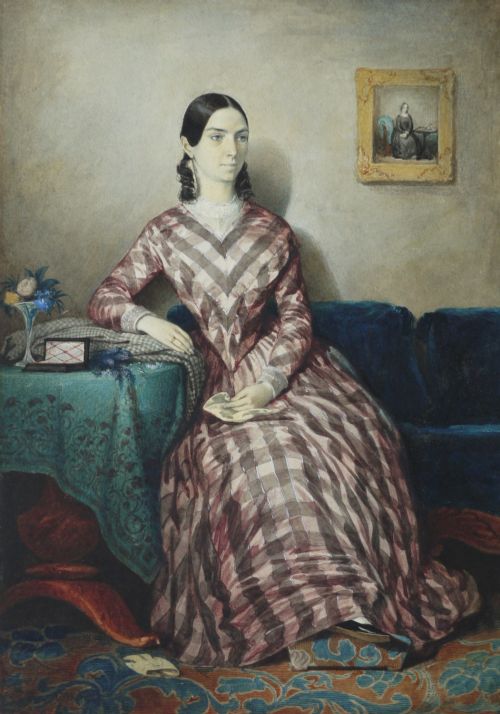
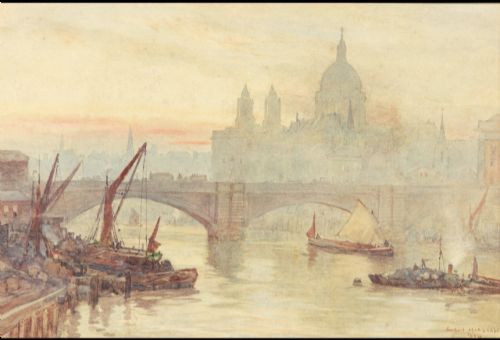
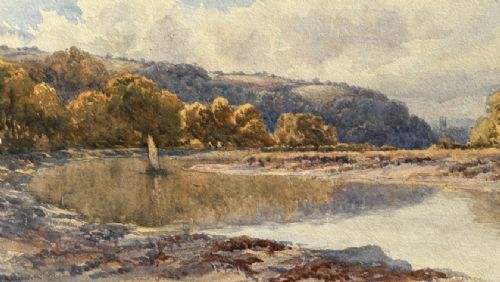
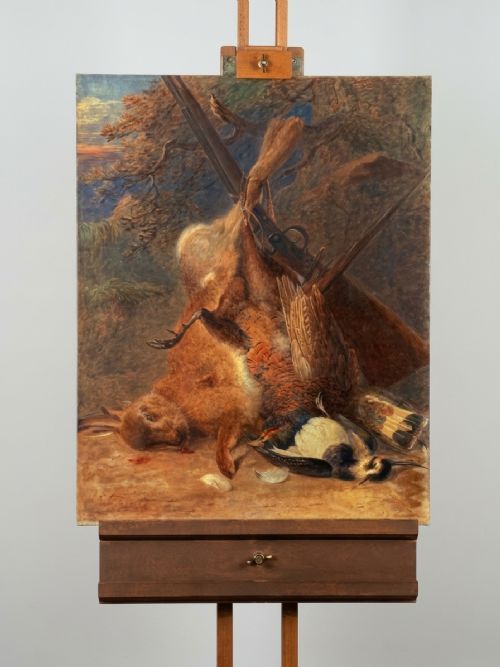
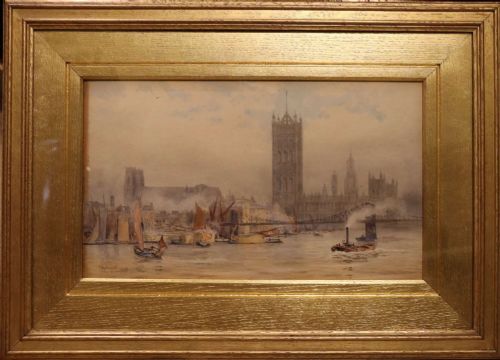
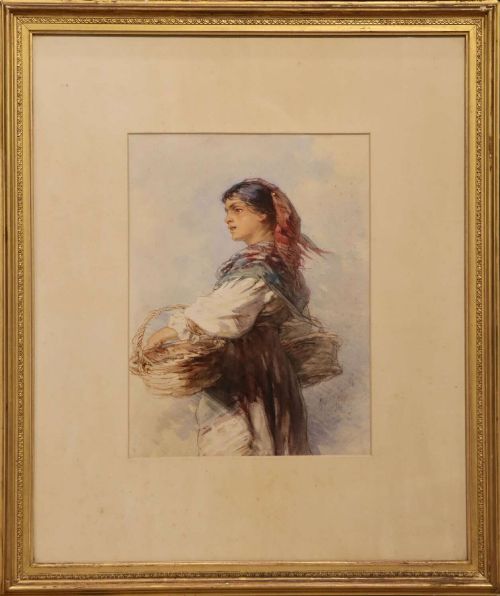
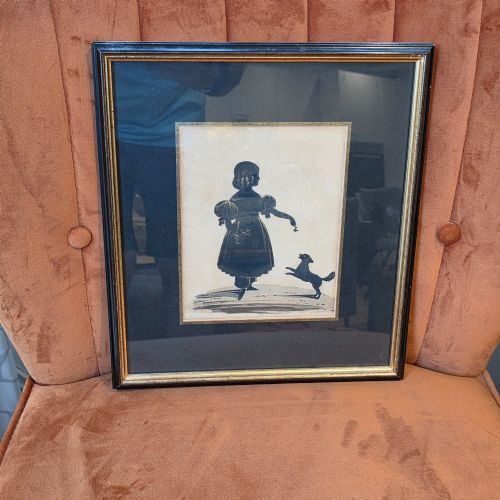
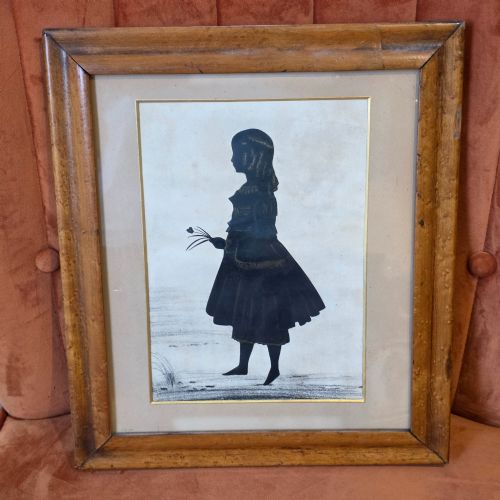
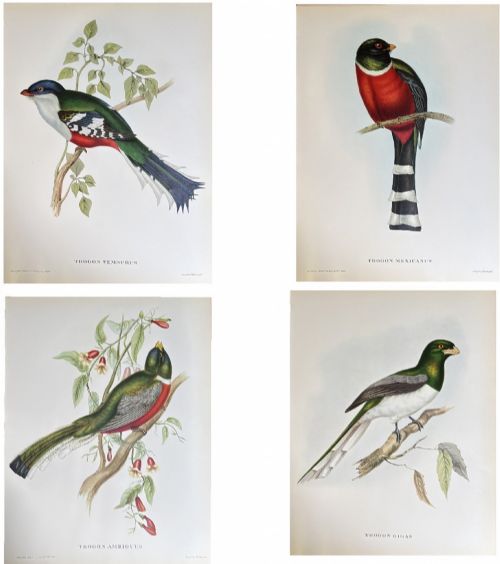
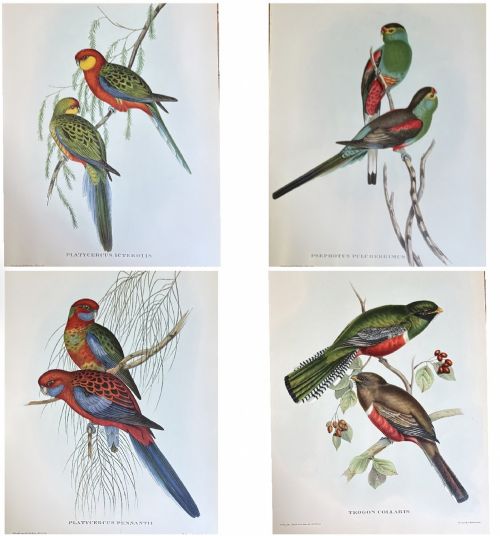
Victorian paper art encompasses framed cut-paper silhouettes, delicate watercolours, ink sketches, and nineteenth-century prints. Collectors seeking these pieces encounter intricate portrait profiles alongside landscapes and bird prints.
The material surface often combines paper with watercolour pigment, ink, and occasional gold leaf. These works span the nineteenth century, including Regency survivals and early twentieth-century examples.
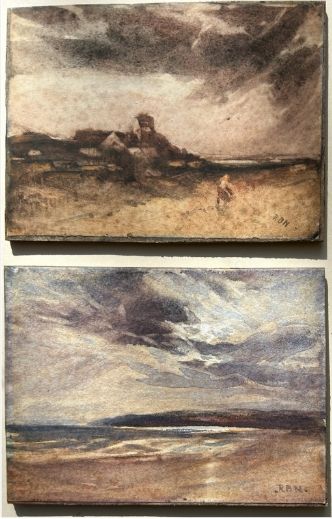
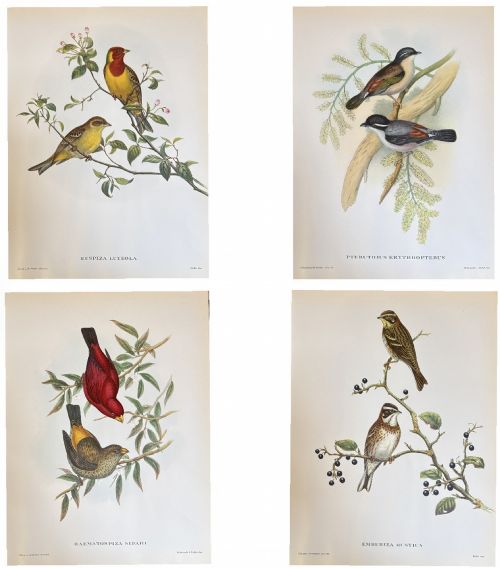
Framed artwork dominates the selection, frequently presented in period wood frames that complement the delicate paper sheets. The subjects range from personal portrait silhouettes to topographical watercolours and tropical bird prints.
Materials and Technique
Makers utilised heavy-grade paper and card as the foundation for intricate scissor-cut silhouettes and detailed watercolour paintings. Watercolour pigment and ink provided tone and depth, sometimes augmented by bodycolour.
Silhouettes were painstakingly hand-cut and mounted, occasionally enhanced with delicate watercolour highlights or gold leaf details. Prints relied on contemporary lithography and engraving techniques on paper supports.
Listings feature paper, glass, watercolour, ink, wood, and gold leaf across nineteenth-century and early twentieth-century periods.
Standards of Execution
The sharpness of the scissor work in cut-paper silhouettes dictates the primary level of craftsmanship. Superior examples display clean lines and subtle interior details without jagged edges.
Watercolour and ink works depend on the confidence of the brushstroke and the preservation of pigment vibrancy. Tonal balance and fine preservation of the paper substrate elevate individual pieces.
William James Hubard·George Sydney Shepherd·James Orrock·William Henry Earp·Richard Principal Leitch·John R Prentice·Alfred Young Nutt·Henry Stacy Marks·James Smetham·John McDougal·William Etty·Herbert Dicksee·Henry Silkstone Hopwood·Augustin Edouart·David Roberts·Joseph H Barnes·Carl Haag·George Finch Mason·Alfred G Morgan
The Victorian Paper Art Glossary
- Silhouette
- A portrait profile filled in with a solid dark colour, usually cut from black paper or painted against a lighter background. This form gained immense popularity during the eighteenth and nineteenth centuries.
- Watercolour
- A painting method where the pigments are suspended in a water-based solution on paper. Artists utilised this technique for its translucent qualities and rapid application.
- Lithograph
- A print made from a design drawn on limestone or a metal plate with a greasy crayon. The process relies on the repulsion of oil and water.
- Bodycolour
- Watercolour paint mixed with a white pigment to make it opaque. This technique adds dense highlights and solidity to paper artworks.
Victorian Paper Art: Frequently Asked Questions
How should I display paper art?
Keep framed pieces away from direct sunlight to prevent the fading of watercolour pigments and paper discoloration. Consistent indoor humidity protects the delicate paper substrate from warping over time.
Utilise UV-protective glazing when reframing to safeguard nineteenth-century ink and watercolours against light damage.
Are silhouettes hand-cut?
Period silhouettes were typically executed by hand using specialised scissors or small knives. Skilled practitioners produced intricate portraits with remarkable precision.
Close inspection under magnification often reveals the minute scissor cuts that distinguish authentic period work from later reproductions.
How do I date these pieces?
Dating relies on stylistic evidence, artist signatures, framing materials, and paper watermarks. Nineteenth-century works frequently display period inscriptions on the reverse.
Comparing the paper weight and tonal palette with documented examples from the same decade helps establish an accurate chronology.
What is bodycolour?
Bodycolour is watercolour paint mixed with chalk or white pigment to create an opaque finish. Artists used it to introduce highlights and solid areas of colour into paper works.
This technique gives certain nineteenth-century watercolours the denser appearance of gouache while retaining the fluidity of paper painting.